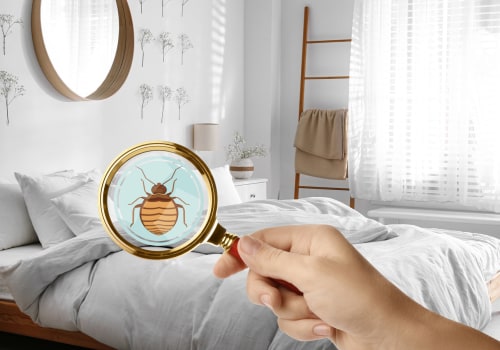
When it comes to bed bugs, many people are plagued by misconceptions that can lead to unnecessary panic. Understanding the facts about these elusive pests is crucial for effective management and prevention. Bed bugs are small, wingless insects that feed on the blood of humans and animals, primarily at night. They are not a sign of poor hygiene; in fact, they can infest even the cleanest of homes.
This common myth often leads to stigma and shame, which can prevent individuals from seeking help when they discover a bed bug. One of the most alarming aspects of bed bugs is their ability to reproduce quickly. A single female can lay hundreds of eggs in her lifetime, making early detection essential. If you find a single bed bug in your home, it’s important to act swiftly and not dismiss it as an isolated incident. Understanding bed bug facts can empower you to take the right steps toward eradication before a small problem escalates into a full-blown infestation. In this section, we will explore the most common bed bug myths and provide you with essential information about what these pests are, how they behave, and what you should do if you encounter them.
By debunking these myths and presenting factual information, we aim to equip you with the knowledge necessary to tackle any bed bug issues head-on.
Identifying a Bed Bug: Signs and Symptoms
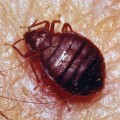
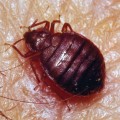
Identifying a bed bug can be challenging, especially since these pests are small and often hide in hard-to-reach places. However, knowing the signs of bed bugs can help you take swift action to prevent a larger infestation.Physical Characteristics:
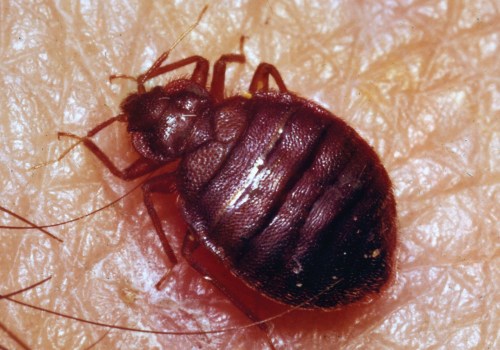
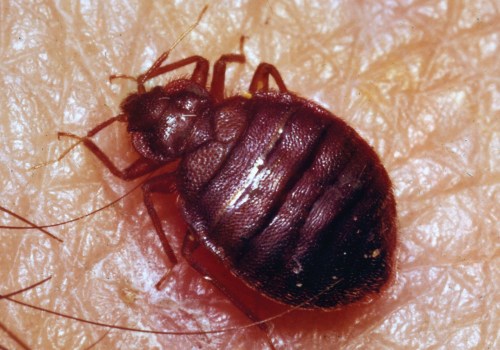
- Size: Adult bed bugs are typically about the size of an apple seed, measuring approximately 1/4 inch long.
- Color: They are usually reddish-brown, but their color can vary depending on whether they have recently fed.
- Shape: Bed bugs have a flat, oval shape that allows them to hide easily in crevices.
Signs of Infestation:
- Bed Bug Bites: One of the most common signs of a bed bug infestation is the presence of bites on your skin. These bites often appear in clusters or lines and can be itchy and red.
- Fecal Spots: Look for small, dark spots on your bedding or mattress. These spots are bed bug excrement and can indicate their presence.
- Eggs and Shells: Bed bug eggs are tiny, about the size of a pinhead, and are often found in hidden areas.
You may also find shed skins as they grow.
What to Do When You Find a Single Bed Bug
Finding a single bed bug in your home can be alarming, but it’s essential to respond calmly and effectively. Here are the immediate actions you should take:- Do Not Panic: One bed bug does not necessarily mean an infestation.
However, it’s crucial to act quickly.
- Inspect Your Surroundings: Carefully check your bedding, mattress seams, and nearby furniture for additional signs of bed bugs, such as shed skins or fecal spots.
- Capture the Bug: If possible, use a piece of tape or a small container to capture the bed bug. This will help in identifying the insect later and can be useful if you need to consult a pest control professional.
- Clean the Area: Vacuum the area where you found the bed bug thoroughly. Pay special attention to cracks and crevices. After vacuuming, dispose of the vacuum bag or empty the canister outside your home.
- Launder Bedding: Wash all bedding, linens, and any clothing that may have come into contact with the bed bug in hot water.
Dry them on high heat for at least 30 minutes to kill any potential eggs or bugs.
- Monitor for More Bugs: Keep an eye out for any additional signs of bed bugs over the next few weeks.
- Seal Cracks and Crevices: Use caulk to seal any gaps in walls, baseboards, or furniture where bed bugs could hide.
- Consider Professional Help: If you find more bed bugs or are unsure about your findings, contact a pest control expert for a thorough inspection and treatment options.
Assessing the Situation: Is There an Infestation?
Finding a single bed bug in your home can be alarming, but it’s essential to assess whether this is an isolated incident or a sign of a larger infestation. Here are some steps to help you determine the extent of the problem.Signs of a Bed Bug Infestation
To evaluate if you have a bed bug infestation, look for the following signs:- Fecal spots: Small, dark spots on your bedding or furniture are indicative of bed bug droppings.
- Eggs and shells: Tiny, white eggs or shed skins can often be found in areas where bed bugs hide.
- Bite marks: Red, itchy welts on your skin may suggest that bed bugs are feeding on you while you sleep.
- Unpleasant odor: A musty smell in your bedroom can indicate a significant infestation.
How to Check for Bed Bugs
If you suspect more than just a single bed bug, conduct a thorough inspection:- Examine your bedding: Check seams, folds, and under the mattress for any signs of bed bugs.
- Inspect furniture: Look closely at upholstered furniture, especially in crevices and under cushions.
- Check baseboards and carpets: Bed bugs can hide in tiny cracks and along edges.
- Use a flashlight: A bright light can help you spot these pests more easily in dark areas.
Effective Bed Bug Control Methods
When you discover a single bed bug in your home, it’s crucial to act swiftly to prevent a larger infestation.Here are some effective bed bug control methods that can help you manage the situation:
- Identify the Infestation: Before taking action, confirm that what you found is indeed a bed bug. Look for signs such as shed skins, eggs, or dark spots of fecal matter.
- Isolate the Area: If you find a bed bug, isolate the area by removing any bedding and clothing. Place these items in a sealed plastic bag to prevent spreading.
- DIY Solutions: There are several do-it-yourself methods to control bed bugs:
- Heat Treatment: Wash infested items in hot water and dry them on high heat for at least 30 minutes. Bed bugs cannot survive temperatures above 120°F.
- Vacuuming: Use a vacuum cleaner with a HEPA filter to thoroughly vacuum your home, focusing on seams of mattresses, carpets, and furniture.
Dispose of the vacuum bag immediately.
- Insecticides: Consider using EPA-approved insecticides specifically designed for bed bugs. Always follow the instructions carefully and apply them in targeted areas.
- Professional Pest Control: If the problem persists or if you find multiple bed bugs, it may be time to call in professionals. Pest control experts have access to more potent treatments and can conduct thorough inspections.
- Preventive Measures: After treatment, take steps to prevent future infestations. Regularly inspect your home, especially after traveling, and consider using mattress encasements that are bed bug-proof.
Preventing Future Bed Bug Encounters
Preventing future encounters with bed bugs is essential for maintaining a pest-free home.Here are some effective bed bug prevention tips to help you safeguard your living space:
- Regular Inspections: Frequently check your home, especially in areas where bed bugs are likely to hide, such as mattresses, box springs, and furniture seams. Early detection can prevent a larger infestation.
- Protective Covers: Use bed bug-proof encasements on mattresses and pillows. These covers create a barrier that prevents bed bugs from entering or escaping.
- Declutter: Reduce clutter in your home, particularly in bedrooms. The less clutter you have, the fewer hiding spots there are for bed bugs.
- Careful Travel Practices: When traveling, inspect hotel rooms for signs of bed bugs.
Keep your luggage off the floor and use hard-sided luggage when possible. Upon returning home, wash all clothing in hot water and dry on high heat.
- Vacuum Regularly: Vacuum your home frequently, focusing on areas where bed bugs may hide. Be sure to dispose of the vacuum bag or empty the canister outside immediately after use.
- Seal Cracks and Crevices: Inspect your home for any cracks or crevices in walls, baseboards, and furniture. Seal these openings to limit potential entry points for bed bugs.
Remember that vigilance is key; staying informed about bed bug facts and maintaining proactive measures will help ensure a comfortable living environment free from these pests.
Frequently Asked Questions About Bed Bugs
When it comes to bed bugs, many people have questions and concerns. Here are some of the most frequently asked questions about these pests:- What do bed bugs look like? Bed bugs are small, reddish-brown insects that are about the size of an apple seed. They have flat bodies, which allows them to hide easily in cracks and crevices.
- How do I know if I have bed bugs? Look for signs such as small blood stains on your sheets, dark spots of bed bug excrement, or the presence of shed skins. You may also notice bites on your skin that appear in clusters.
- Can bed bugs spread diseases? While bed bugs are not known to transmit diseases, their bites can cause itching and discomfort.
In some cases, excessive scratching can lead to secondary infections.
- How do I get rid of bed bugs? If you find a single bed bug, it’s crucial to act quickly. Start by thoroughly cleaning your bedding and vacuuming your home. Consider using heat treatment or contacting a pest control professional for effective eradication.
- Can I prevent bed bugs? Yes! To prevent bed bugs, regularly inspect your sleeping areas, avoid bringing used furniture into your home without checking it first, and be cautious when traveling by inspecting hotel rooms.
Conclusion: Key Takeaways on Handling Bed Bugs
In conclusion, encountering a single bed bug in your home can be alarming, but understanding how to respond effectively is crucial. Here are the key takeaways to keep in mind:- Identify the Source: It’s essential to determine where the bed bug came from.
Inspect your bedding, furniture, and surrounding areas thoroughly.
- Act Quickly: Don’t wait for more signs of infestation. The sooner you address the issue, the easier it will be to manage.
- Implement Preventive Measures: Regularly vacuuming and washing bedding in hot water can help prevent future infestations. Consider using protective covers for mattresses and box springs.
- Consult Professionals: If you find more than one bed bug or are unsure about your next steps, contacting a pest control expert is advisable. They can provide a comprehensive assessment and treatment plan.
- Educate Yourself: Understanding bed bug facts, such as their life cycle and habits, can empower you to take proactive measures against them.
Remember, vigilance and prompt action are your best defenses against bed bugs.