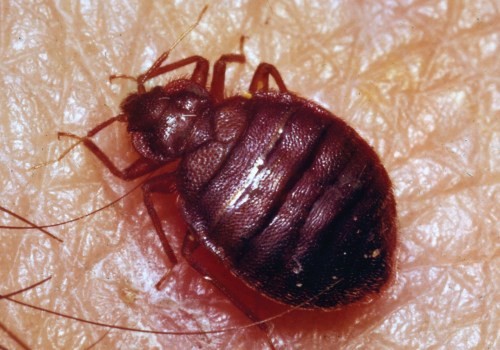
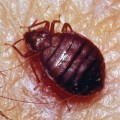
Bed bugs are small, parasitic insects that feed on the blood of humans and animals. These nocturnal pests are typically reddish-brown, flat, and oval-shaped, making them difficult to spot during the day. Adult bed bugs can grow to about the size of an apple seed, while their younger counterparts, known as nymphs, are much smaller and more translucent. Understanding bed bug facts is crucial for effective identification and management. One of the most alarming aspects of bed bugs is their ability to reproduce rapidly.
A single female can lay hundreds of eggs in her lifetime, leading to a swift infestation if not addressed promptly. Bed bugs are often found in places where people sleep or rest, such as mattresses, bed frames, and even behind wallpaper or in cracks and crevices. Their presence is not necessarily a reflection of poor hygiene; they can hitch a ride on clothing, luggage, or used furniture. Identifying bed bugs involves looking for specific signs. Besides the insects themselves, you may notice small blood stains on your sheets or dark spots of bed bug excrement.
Additionally, some individuals may experience itchy welts on their skin after being bitten. Recognizing these signs early can help prevent a more extensive infestation and is essential for anyone seeking to understand what bed bugs are and how to deal with them effectively.
Signs of a Bed Bug Infestation
Identifying a bed bug infestation early is crucial for effective treatment. Here are some signs of a bed bug infestation that you should be aware of:- Visible Bugs: Adult bed bugs are small, about the size of an apple seed, and have a reddish-brown color. They are often found in the seams of mattresses, box springs, and bed frames.
- Bed Bug Bites: One of the most common signs is waking up with itchy, red welts on your skin.
These bites often appear in clusters or lines and can be mistaken for other insect bites.
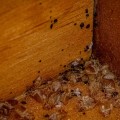
- Fecal Spots: Bed bugs leave behind small dark spots of feces, which can be found on sheets, mattresses, or nearby surfaces. These spots may look like tiny ink stains.
- Eggs and Shells: Bed bug eggs are tiny, about 1mm in size, and are usually found in hidden areas. You may also find shed skins as they grow and molt.
- Unpleasant Odor: A strong, musty odor can indicate a significant infestation. This smell comes from the scent glands of bed bugs.
Early detection can prevent a small problem from becoming a larger infestation. Regularly inspecting your sleeping areas and being aware of these indicators can help you maintain a bed bug-free environment.
Common Myths About Bed Bugs
When it comes to bed bugs, misinformation can lead to ineffective treatments and unnecessary panic. Here are some common myths that need debunking:- Myth 1: Bed bugs are only found in dirty homes. This is a prevalent misconception.
Bed bugs
can infest any home, regardless of cleanliness.They are attracted to warmth and carbon dioxide, not dirt.
- Myth 2: You can get rid of bed bugs with DIY methods alone. While some home remedies may help reduce the population, they are often insufficient for complete eradication. Professional pest control services are usually necessary for effective treatment.
- Myth 3: Bed bugs only bite at night. Although they are primarily nocturnal, bed bugs can bite at any time if they are hungry and you are nearby.
- Myth 4: Bed bugs transmit diseases. Unlike other pests, bed bugs do not carry or transmit diseases. However, their bites can cause itching and allergic reactions.
- Myth 5: If you don’t see them, you don’t have them. Bed bugs are excellent at hiding. Just because you don’t see them doesn’t mean they aren’t present.
Regular inspections and vigilance are key to early detection.
Can You Get Rid of Bed Bugs on Your Own?
When faced with a bed bug infestation, many homeowners wonder, can you eliminate bed bugs yourself? The answer is both yes and no. While some DIY bed bug removal methods can be effective, they often require diligence, thoroughness, and a bit of luck.First, it’s crucial to understand that bed bugs are notoriously resilient. They can survive for months without feeding and are adept at hiding in small crevices. Therefore, a comprehensive approach is necessary for any self-treatment to be successful.Steps for DIY Bed Bug Removal
- Identify the Infestation: Look for signs such as small blood stains on sheets, dark spots of bed bug excrement, and the bugs themselves.
- Declutter: Remove unnecessary items from your home to reduce hiding spots.
- Wash and Heat Treat: Wash all bedding and clothing in hot water and dry them on high heat.
This can kill bed bugs at all life stages.
- Vacuum Thoroughly: Use a vacuum with a HEPA filter to clean carpets, furniture, and any cracks or crevices. Be sure to dispose of the vacuum bag immediately.
- Use Insecticides: If you choose to use insecticides, select products specifically labeled for bed bugs. Follow the instructions carefully to ensure safety and effectiveness.
- Monitor: After treatment, continue to monitor for signs of bed bugs. Consider using bed bug interceptors under your bed legs to catch any stragglers.
If the infestation persists despite your efforts, consulting a pest control expert may be necessary. They have access to more potent treatments and can provide a comprehensive plan tailored to your situation.In conclusion, while it is possible to tackle a bed bug problem on your own, success largely depends on your commitment to following through with thorough cleaning and monitoring. If you find yourself overwhelmed or if the infestation worsens, don’t hesitate to seek professional assistance.
Effective DIY Methods for Bed Bug Removal
When faced with a bed bug infestation, many homeowners wonder if they can tackle the problem themselves. Fortunately, there are several effective DIY methods for bed bug removal that can help you regain control of your space.1.Heat Treatment
- Bed bugs are highly sensitive to heat.
You can use a clothes dryer to treat infested items. Place bedding, clothing, and other washable items in the dryer on high heat for at least 30 minutes.
- If you have larger items that cannot be washed, consider using a steam cleaner. The steam should reach at least 120°F to effectively kill bed bugs and their eggs.
2.Vacuuming
- Regular vacuuming can significantly reduce bed bug populations. Use a vacuum with a strong suction and a HEPA filter to capture both adults and eggs.
- Pay special attention to seams of mattresses, box springs, and cracks in furniture.
After vacuuming, seal the vacuum bag tightly and dispose of it outside your home.
3.Diatomaceous Earth
- This natural powder is made from fossilized algae and is effective in killing bed bugs by dehydrating them. Sprinkle it in areas where you suspect bed bug activity.
- Leave it for several days before vacuuming it up to ensure maximum effectiveness.
4.Essential Oils
- Certain essential oils, such as tea tree oil and lavender oil, have insecticidal properties. Mix a few drops with water in a spray bottle and apply it to infested areas.
- While these oils can help repel bed bugs, they may not eliminate an infestation entirely, so use them in conjunction with other methods.
5.Mattress Encasements
- Investing in bed bug-proof mattress encasements can prevent bed bugs from entering or escaping your mattress and box spring. This method is particularly useful for long-term management.
- Ensure that the encasements are sealed properly and check them regularly for any signs of bed bugs.
Always monitor your progress and be prepared to adapt your strategy as needed.
When to Call a Professional Exterminator
While many homeowners attempt to tackle bed bug infestations on their own, there are specific scenarios where calling a professional exterminator becomes essential. Understanding these situations can save you time, money, and further frustration.Signs You Need Professional Help
If you notice any of the following signs, it may be time to seek expert assistance:- Persistent Infestation: If you have tried DIY methods such as sprays, traps, or heat treatments without success, it indicates that the infestation is beyond your control.
- Large Numbers of Bed Bugs: Spotting multiple bed bugs or finding them in various locations throughout your home suggests a severe infestation that requires professional intervention.
- Allergic Reactions: If you or your family members are experiencing allergic reactions or skin irritations from bites, it’s crucial to address the problem quickly with a professional.
- Presence of Eggs: Finding bed bug eggs or shed skins indicates that the population is reproducing rapidly, necessitating immediate action.
When to Hire an Exterminator
Consider hiring a professional exterminator in the following situations:- Widespread Infestation: If bed bugs have spread to multiple rooms or areas in your home, a professional can implement comprehensive treatment plans that cover all affected spaces.
- Lack of Time or Resources: If you are unable to dedicate the time and effort required for effective DIY treatments, enlisting a professional can ensure thorough and timely eradication.
- Health Concerns: For individuals with compromised immune systems or severe allergies, it’s best to leave pest control to experts who can handle chemicals safely and effectively.
Preventing Future Infestations
Preventing future infestations of bed bugs is crucial for maintaining a pest-free environment. Here are some effective bed bug prevention tips to help you avoid these unwanted pests:- Regular Inspections: Frequently check your home, especially in areas where bed bugs are likely to hide, such as mattresses, box springs, and furniture seams.
Early detection can prevent a larger infestation.
- Protective Covers: Use bed bug-proof encasements on mattresses and pillows. These covers trap any existing bugs and prevent new ones from entering.
- Declutter: Keep your living space tidy and free of clutter. Bed bugs thrive in messy environments where they can easily hide.
- Careful Travel Practices: When traveling, inspect hotel rooms for signs of bed bugs. Keep your luggage off the floor and use hard-sided luggage when possible.
Upon returning home, wash all clothing in hot water.
- Seal Cracks and Crevices: Inspect your home for any cracks or crevices where bed bugs could enter. Seal these openings with caulk to minimize potential entry points.
- Regular Cleaning: Vacuum your home regularly, focusing on areas where bed bugs may hide. Dispose of the vacuum bag immediately after use to prevent any trapped bugs from escaping.
Frequently Asked Questions About Bed Bugs
When it comes to bed bugs, many people have questions that need addressing.Here are some of the most frequently asked questions about these pests:
- What are bed bugs?
Bed bugs are small, reddish-brown insects that feed on the blood of humans and animals. They are typically active at night and can be found in various places, including homes, hotels, and public transportation. - How do I know if I have bed bugs?
Signs of a bed bug infestation include small reddish-brown spots on your bedding, shed skins, and bites on your skin that appear in clusters or lines. - Can bed bugs be seen with the naked eye?
Yes, adult bed bugs are about the size of an apple seed and can be seen without magnification. However, their eggs and nymphs are much smaller and harder to spot. - How do bed bugs spread?
Bed bugs can hitch a ride on clothing, luggage, or used furniture. They can easily spread from one location to another, making them a common issue in hotels and shared living spaces. - Are bed bugs dangerous?
While bed bugs are not known to transmit diseases, their bites can cause itching, discomfort, and allergic reactions in some individuals. - Can I get rid of bed bugs on my own?
While DIY methods exist, they often fall short of completely eliminating an infestation.Professional pest control services are usually recommended for effective treatment.