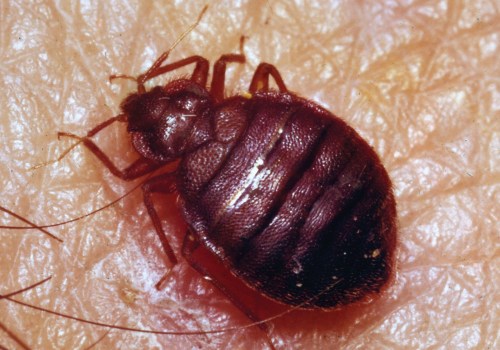
Bed bugs are small, elusive insects that have become a significant concern for homeowners and travelers alike. These pests, scientifically known as Cimex lectularius, are notorious for their ability to thrive in various environments, particularly in places where people sleep. Understanding bed bug behavior is crucial for effective pest control and prevention strategies. One common misconception is that bed bugs only bite at night, which can lead to confusion and misinformed responses to infestations. In reality, while bed bugs are primarily nocturnal feeders, they can also bite during the day if conditions are favorable. is crucial for effective pest control and prevention strategies. One common misconception is that bed bugs only bite at night, which can lead to confusion and misinformed responses to infestations. In reality, while bed bugs are primarily nocturnal feeders, they can also bite during the day if conditions are favorable.
Their feeding habits are influenced by several factors, including the presence of a host and environmental conditions. This adaptability makes them particularly challenging to manage. As we delve deeper into the facts about bed bugs, it becomes clear that their behavior is not only fascinating but also essential for understanding how to combat these pests effectively. By dispelling myths surrounding their biting habits, we can better equip ourselves with the knowledge needed to identify signs of an infestation and take appropriate action. In the following sections, we will explore the intricacies of bed bug behavior, their life cycle, and practical tips for prevention and treatment.
What Are Bed Bugs?
Bed bugs are small, parasitic insects that primarily feed on the blood of humans and animals.They belong to the Cimicidae family and are scientifically known as Cimex lectularius. Understanding their biological and behavioral characteristics is essential for effective identification and management.
Appearance:
Adult bed bugs are typically reddish-brown, oval-shaped, and about the size of an apple seed, measuring approximately 4 to 5 mm in length. They have a flat body, which allows them to hide easily in crevices and seams of furniture, bedding, and walls. After feeding, their bodies swell and become more elongated.Life Cycle:
Bed bugs undergo a simple metamorphosis with three life stages: egg, nymph, and adult.A female bed bug can lay up to 500 eggs in her lifetime, with each egg being about the size of a pinhead. The eggs hatch within a week, and the nymphs go through five molts before reaching adulthood. This life cycle can take anywhere from a few weeks to several months, depending on environmental conditions such as temperature and availability of food.
Feeding Habits:
While bed bugs are often associated with nighttime activity, they can actually feed at any time of day or night if they are hungry. They are attracted to warmth and carbon dioxide emitted by their hosts.During feeding, they use their specialized mouthparts to pierce the skin and inject saliva that contains anticoagulants to prevent blood clotting. This feeding process usually lasts about 5 to 10 minutes.In summary, understanding bed bug facts, including their appearance, life cycle, and feeding habits, is crucial for effective identification and control measures. Recognizing these pests early can help prevent infestations and minimize discomfort caused by their bites.
Do Bed Bugs Only Bite at Night?
When it comes to bed bug facts, one of the most common questions is whether these pests only bite at night. While it is true that bed bugs are primarily nocturnal, their feeding patterns can vary based on several factors. Bed bugs are most active during the night, typically feeding between midnight and 5 a.m.This behavior aligns with their preference for darkness, which helps them avoid detection by their hosts. However, this does not mean they are incapable of feeding at other times. In fact, if a host is available and conditions are right, bed bugs can bite during the day as well.
Factors Influencing Feeding Times
- Host Availability: If a person is present and sleeping during the day, bed bugs may take advantage of this opportunity to feed.
- Environmental Conditions: Temperature and humidity can influence bed bug activity. Warmer temperatures may encourage them to feed more frequently.
- Starvation: If bed bugs have not fed for an extended period, they may become more aggressive in seeking out a meal, regardless of the time of day.
Therefore, while their peak activity occurs at night, it is essential to understand that bed bug activity can extend beyond these hours. In conclusion, while bed bugs are predominantly nocturnal feeders, they are not strictly limited to nighttime bites. Understanding their behavior can help individuals take proactive measures against infestations and protect themselves from these unwelcome pests.
Factors Influencing Bed Bug Bites
Understanding the factors influencing bed bug bites is crucial for effective management and prevention. While it is commonly believed that bed bugs primarily bite at night, several elements can affect their activity and feeding patterns.Environmental Conditions: Bed bugs are sensitive to temperature and humidity. They thrive in warm environments, typically between 70°F and 80°F.High humidity levels can also enhance their activity. In cooler or drier conditions, bed bugs may become less active, potentially leading to fewer bites.Host Availability: Bed bugs are attracted to carbon dioxide and body heat emitted by potential hosts. If a host is available during the day, such as someone taking a nap or working from home, bed bugs may take advantage of this opportunity to feed. Therefore, while they are nocturnal feeders, they can bite at any time if conditions are favorable.Individual Reactions: The frequency and severity of bites can vary significantly among individuals.
Some people may not react to bed bug bites at all, while others may experience intense itching and swelling. This variability can influence how often a person notices bites, leading to misconceptions about when bed bugs are most active.Feeding Frequency: Bed bugs typically feed every 5 to 10 days, but this can vary based on their life stage and availability of hosts. Newly hatched nymphs may require more frequent meals to grow, while adult bed bugs can survive for months without feeding. In summary, while bed bugs are primarily nocturnal, their biting behavior is influenced by a combination of environmental factors, host availability, individual reactions, and feeding frequency. Understanding these factors can help in developing effective strategies for prevention and control.
Signs of Bed Bug Infestation
Identifying a bed bug infestation early is crucial for effective treatment and prevention.Here are some common signs of bed bugs that you should be aware of:
- Bite Marks: One of the most noticeable signs of a bed bug infestation is the presence of bite marks on your skin. These bites often appear in clusters or lines and can be itchy and red.
- Blood Stains: You may notice small blood stains on your sheets or pillowcases. These stains occur when bed bugs are crushed after feeding.
- Dark Spots: Look for tiny dark spots on your mattress, bedding, or walls. These spots are bed bug excrement and can indicate a larger infestation.
- Eggs and Shells: Bed bug eggs are tiny, about the size of a pinhead, and are often found in crevices or hidden areas.
You may also find shed skins, which are left behind as they grow.
- Musty Odor: A strong, musty smell in your bedroom can be a sign of a significant bed bug presence. This odor comes from the scent glands of the bugs.
How to Prevent Bed Bug Bites
Preventing bed bug bites requires a proactive approach, especially in environments where these pests are prevalent. Here are some effective strategies to help you avoid bed bugs and their bites:- Inspect Your Sleeping Area: Regularly check your mattress, bed frame, and surrounding areas for signs of bed bugs, such as small brown spots or shed skins.
Pay special attention to seams and crevices.
- Use Protective Covers: Encase your mattress and pillows in bed bug-proof covers. These encasements can trap any existing bugs and prevent new ones from entering.
- Maintain Cleanliness: Keep your home tidy by regularly vacuuming carpets, rugs, and upholstery. Dispose of the vacuum bag immediately to prevent any trapped bugs from escaping.
- Be Cautious When Traveling: When staying in hotels or motels, inspect the room for signs of bed bugs before unpacking. Keep your luggage on a luggage rack rather than on the bed or floor.
- Wash and Dry Clothes: After returning from a trip, wash your clothes in hot water and dry them on high heat.
This can kill any potential bed bugs that may have hitched a ride.
- Seal Cracks and Crevices: Regularly check and seal any cracks in walls, baseboards, and furniture to eliminate potential hiding spots for bed bugs.
Frequently Asked Questions About Bed Bugs
When it comes to bed bug facts, one of the most common questions is whether these pests only bite at night. While it is true that bed bugs are primarily nocturnal, they can also bite during the day under certain conditions.Do Bed Bugs Only Bite at Night? Bed bugs are most active during the night when their hosts are asleep. This behavior allows them to feed undetected, as they prefer to stay hidden in cracks and crevices during the day.However, if a host is present and the environment is conducive, bed bugs can bite at any time of day.
- Factors Influencing Daytime Biting:
- Presence of a Host: If a person is sitting or lying down during the day, bed bugs may take advantage of this opportunity to feed.
- Environmental Conditions: Warmth and carbon dioxide emissions from a host can attract bed bugs even in daylight.
- Red, itchy welts on your skin
- Small blood stains on sheets or mattresses
- Dark spots (bed bug excrement) on bedding or furniture
Conclusion: Key Takeaways on Bed Bug Behavior
In summary, understanding bed bug behavior is crucial for effective prevention and management.While it is commonly believed that these pests only bite at night, the reality is more nuanced. Here are the key takeaways:
- Feeding Patterns: Bed bugs are primarily nocturnal feeders, which means they are most active during the night when their hosts are asleep. However, they can also feed during the day if they are hungry and the conditions are right.
- Environmental Factors: The presence of light, movement, and temperature can influence bed bug activity. In well-lit environments or areas with frequent human activity, they may adjust their feeding times.
- Host Availability: Bed bugs will seek out a host whenever they sense carbon dioxide or body heat, regardless of the time of day.
This adaptability allows them to survive in various situations.
- Signs of Infestation: Look for signs such as small blood stains on sheets, dark spots of excrement, and shed skins to identify an infestation early.