Bed bugs are small, elusive pests that have become a significant concern for homeowners and public health officials alike. Understanding what bed bugs look like is crucial for effective identification and control. These tiny insects, scientifically known as Cimex lectularius, are notorious for their ability to hide in the smallest of crevices, making them difficult to detect until an infestation has already taken hold. Effective odor removal strategies can also play a role in managing the presence of these pests and ensuring a thorough approach to pest control. Typically, adult bed bugs are about the size of an apple seed, measuring approximately 5 to 7 millimeters in length. , are notorious for their ability to hide in the smallest of crevices, making them difficult to detect until an infestation has already taken hold. Effective odor removal strategies can also play a role in managing the presence of these pests and ensuring a thorough approach to pest control. Typically, adult bed bugs are about the size of an apple seed, measuring approximately 5 to 7 millimeters in length.
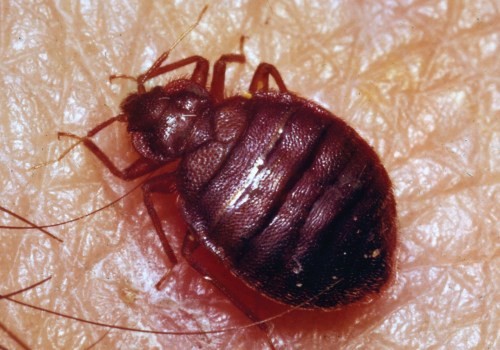
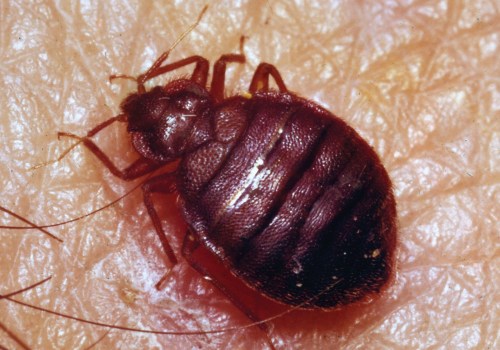
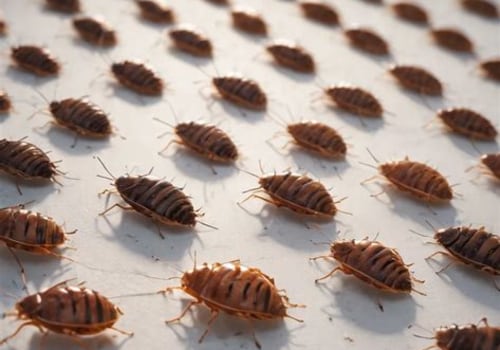
Their bodies are flat and oval-shaped, which allows them to easily slip into tight spaces. The coloration of bed bugs can vary from a light brown to a deep reddish-brown, especially after they have fed on blood. This distinctive appearance is one of the key factors in bed bug identification, as their color and shape can help differentiate them from other household pests. In addition to their physical characteristics, bed bugs are also known for their unique behavior. They are primarily nocturnal, emerging at night to feed on the blood of sleeping humans and animals.
This feeding pattern not only contributes to their spread but also makes it essential for individuals to recognize the signs of an infestation early on. By familiarizing yourself with bed bug facts, including their appearance and habits, you can take proactive measures to protect your home and health from these unwelcome intruders.
Physical Characteristics of Bed Bugs
Understanding the physical characteristics of bed bugs is essential for effective identification and management. These pests are small, but their distinct features make them recognizable.Size of Bed Bugs
Adult bed bugs typically measure between 1/4 inch to 3/8 inch in length. They are roughly the size of an apple seed, which can make them difficult to spot without close inspection.Newly hatched nymphs are much smaller, measuring about 1/16 inch, and can be even harder to detect due to their size.
Color of Bed Bugs
The color of bed bugs varies depending on their life stage and feeding status. Unfed adult bed bugs are usually a light brown or tan color, while those that have recently fed take on a more reddish-brown hue. This color change occurs because their bodies swell with blood after a meal, making them more noticeable.Shape of Bed Bugs
Bed bugs have a distinctive flat, oval shape, which allows them to hide in small crevices and seams. Their bodies are somewhat elongated, and they possess a segmented abdomen that can expand after feeding.This unique shape is one of the key identifiers when distinguishing bed bugs from other pests.In summary, recognizing the size, color, and shape of bed bugs is crucial for anyone dealing with a potential infestation. By familiarizing yourself with these bed bug facts, you can take proactive measures to address any issues effectively.
Life Cycle and Development Stages of Bed Bugs
The life cycle of bed bugs consists of several distinct stages, each with unique characteristics that aid in their identification. Understanding these stages is crucial for effective detection and control.Bed bugs begin their life as tiny, pearly white eggs, which are about the size of a pinhead. These eggs are typically laid in clusters in hidden areas such as mattress seams or cracks in furniture.After about 6 to 10 days, the eggs hatch into nymphs.
Nymph Stage
Upon hatching, bed bug nymphs are approximately 1.5 mm long and resemble miniature adults but are lighter in color. They undergo five molts before reaching adulthood, requiring a blood meal after each molt to grow. As they progress through these stages, nymphs gradually darken in color and increase in size, becoming more recognizable as they approach maturity.Adult Bed Bugs
Adult bed bugs are typically about 4 to 5 mm long and have a flat, oval shape. Their bodies are reddish-brown and become engorged with blood after feeding, which causes them to swell and take on a more elongated appearance.Adult bed bugs can be easily identified by their distinctive shape and color, making them easier to spot compared to their earlier life stages.The entire life cycle from egg to adult can take anywhere from 5 weeks to several months, depending on environmental conditions such as temperature and availability of food. Recognizing the different stages of bed bugs is essential for effective pest management strategies.
Common Misidentifications: Bed Bugs vs. Other Pests
Identifying bed bugs accurately is crucial for effective pest control, as they can easily be confused with other pests. Here, we will explore common misidentifications, particularly with fleas and ticks.Bed Bugs vs.
FleasFleas are small, wingless insects that are typically brown or black and are known for their jumping ability. Unlike bed bugs, which are flat and oval-shaped, fleas have a more elongated body and can jump several inches high. While both pests can cause itchy bites, flea bites usually appear in clusters and are often found on the lower legs and ankles. In contrast, bed bug bites tend to appear in a line or cluster on exposed skin areas.
Bed Bugs vs.
TicksTicks, on the other hand, are arachnids and have a different body structure compared to bed bugs. Ticks have a more rounded body that expands significantly after feeding, while bed bugs remain relatively flat. Ticks are often found in grassy or wooded areas, whereas bed bugs are primarily indoor pests that hide in mattresses, furniture, and cracks in walls.
Pest Identification Tips
- Size: Bed bugs are about 1/4 inch long, while fleas are smaller (about 1/8 inch) and ticks can vary greatly in size.
- Color: Bed bugs are reddish-brown; fleas are darker; ticks can range from brown to gray.
- Location: Look for bed bugs in sleeping areas; fleas often inhabit pet bedding; ticks are found outdoors.
If you suspect a pest problem, consider consulting a professional for accurate identification and effective control strategies.
Signs of a Bed Bug Infestation
Identifying a bed bug infestation early is crucial for effective treatment. Here are some key signs of a bed bug infestation that you should be aware of:- Bed Bug Bites: One of the most common indicators of a bed bug presence is the appearance of bites on your skin. These bites often manifest as small, red, itchy welts, typically in a line or cluster. They can occur anywhere on the body but are most commonly found on exposed areas such as the arms, neck, and face.
- Physical Evidence: Look for physical signs of bed bugs in your sleeping area.
This includes:
- Fecal Spots: Small, dark spots on your mattress or bedding are a telltale sign of bed bugs. These spots are actually digested blood and can be mistaken for ink stains.
- Eggs and Shells: Bed bug eggs are tiny, about the size of a pinhead, and are often found in crevices or seams of mattresses. You may also find shed skins as they grow and molt.
- Unpleasant Odor: A strong, musty odor can indicate a significant infestation. This smell comes from the scent glands of bed bugs and can be particularly noticeable in heavily infested areas.
- Live Bugs: Of course, spotting live bed bugs is a definitive sign of an infestation.
Adult bed bugs are about the size of an apple seed, with a flat, oval shape and reddish-brown color.
Frequently Asked Questions about Bed Bugs
When it comes to understanding bed bugs, many people have questions about their behavior and characteristics. Here are some frequently asked questions that can help clarify common concerns.Do Bed Bugs Fly?
No, bed bugs do not have wings and cannot fly. They are wingless insects that rely on crawling to move from one location to another.This is one reason why they are often found in close proximity to their food source, which is typically humans or animals. They can, however, travel significant distances by hitching rides on clothing, luggage, or furniture.
How to Get Rid of Bed Bugs?
Getting rid of bed bugs can be challenging, but it is possible with a systematic approach:- Identify Infestation: Look for signs such as small reddish-brown bugs, shed skins, or dark spots on bedding.
- Clean Thoroughly: Wash all bedding and clothing in hot water and dry on high heat. Vacuum your home thoroughly, focusing on cracks and crevices.
- Use Insecticides: Consider using EPA-approved insecticides specifically designed for bed bugs. Follow the instructions carefully.
- Seek Professional Help: If the infestation persists, hiring a pest control professional may be necessary for effective treatment.
Where Do Bed Bugs Come From?
Bed bugs are often associated with travel and can be picked up in hotels, public transportation, or even at friends' homes.They can latch onto luggage or clothing and be transported back to your home. Additionally, they can be introduced through second-hand furniture or mattresses that may harbor these pests. Understanding their origins can help in preventing future infestations.By addressing these common questions about bed bugs, you can better equip yourself with the knowledge needed to identify and manage these pests effectively.
Conclusion: Key Takeaways on Bed Bug Identification
Understanding how to identify bed bugs is crucial for effective pest management. These tiny pests can cause significant discomfort and distress, making it essential to recognize their presence early.Here are the key takeaways regarding bed bug identification:
- Appearance: Adult bed bugs are typically reddish-brown, oval-shaped, and about the size of an apple seed. Their flat bodies allow them to hide easily in crevices.
- Life Cycle: Bed bugs undergo several stages, including eggs, nymphs, and adults. Eggs are tiny and white, while nymphs are smaller and lighter in color, making them harder to spot.
- Behavior: Bed bugs are nocturnal and prefer to feed on human blood while their hosts are asleep. Look for signs of bites on the skin, often in clusters or lines.
- Signs of Infestation: Besides bites, check for small dark spots (fecal matter) on bedding or furniture, shed skins, and a sweet musty odor that may indicate a larger infestation.
If you suspect bed bugs in your home, it’s important to act quickly by contacting a pest control professional who can provide effective treatment options.In conclusion, recognizing the signs and physical traits of bed bugs is vital for maintaining a pest-free environment. Being informed empowers you to take action before these pests become a more significant problem.