Bed bugs are small, elusive insects that have become a significant concern for many households and businesses. These pests, scientifically known as Cimex lectularius, are notorious for their ability to infest sleeping areas, feeding on the blood of humans and animals. Understanding bed bug facts is crucial for effective prevention and control, especially as misconceptions about their behavior can lead to ineffective treatment strategies. Utilizing a HEPA filter can also help in reducing allergens and debris associated with these pests, further aiding in the control process. One common question that arises when discussing these pests is, is crucial for effective prevention and control, especially as misconceptions about their behavior can lead to ineffective treatment strategies. Utilizing a HEPA filter can also help in reducing allergens and debris associated with these pests, further aiding in the control process. One common question that arises when discussing these pests is, do bed bugs jump? Unlike fleas or some other insects, bed bugs do not possess the physical capability to jump.
Instead, they are adept at crawling and can move quickly across surfaces. This characteristic often leads to confusion, as their rapid movement can give the impression that they are leaping from one place to another. In reality, their method of travel is more about stealth and speed than any jumping ability. Understanding the behavior of bed bugs is essential for anyone looking to protect their home from an infestation. They tend to hide in cracks and crevices during the day, emerging at night to feed.
This nocturnal behavior, combined with their ability to go long periods without a meal, makes them particularly challenging to detect and eliminate. By debunking myths like the jumping ability of bed bugs, we can better equip ourselves with the knowledge needed to combat these persistent pests.
What Are Bed Bugs?
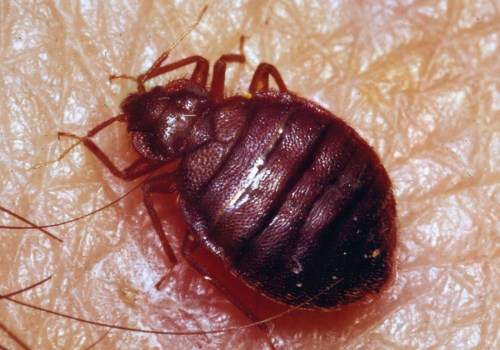
Bed bugs are small, parasitic insects that feed on the blood of humans and animals. They belong to the family Cimicidae and are scientifically known as Cimex lectularius. Adult bed bugs are typically about 1/4 inch long, with a flat, oval shape that allows them to hide easily in crevices and seams of furniture, bedding, and walls.These pests are often mistaken for other insects due to their size and color, which can range from light brown to reddish-brown after feeding.Their bodies swell and become more elongated after a meal, making them more noticeable.
Life Cycle of Bed Bugs
The life cycle of bed bugs consists of several stages: egg, nymph, and adult. A female bed bug can lay up to 500 eggs in her lifetime, with each egg measuring about 1mm in length. The eggs are usually deposited in clusters in hidden areas, making them difficult to detect.- Eggs: These hatch within 6 to 10 days under optimal conditions.
- Nymphs: After hatching, the young bed bugs, known as nymphs, go through five molts before reaching adulthood. They require a blood meal after each molt.
- Adults: Bed bugs reach maturity in about 5 weeks under favorable conditions.
Adult bed bugs can live for several months without feeding.
Do Bed Bugs Jump?
When it comes to bed bug movement, many people wonder if these pests can actually jump.Unlike some insects, such as fleas or grasshoppers, bed bugs do not possess the ability to jump. Instead, their locomotion is primarily based on crawling.Bed bugs are equipped with six legs that allow them to move quickly across surfaces, but they rely on crawling rather than jumping to navigate their environment. This crawling ability enables them to travel from one host to another, often moving from their hiding spots in mattresses, bed frames, and furniture to feed on human blood.To better understand how bed bugs move, it’s important to compare them with other insects:
- Fleas: These insects are notorious for their jumping ability, which allows them to leap several inches into the air. This adaptation helps them reach hosts quickly.
- Grasshoppers: Known for their powerful hind legs, grasshoppers can jump long distances relative to their body size, making them agile and difficult to catch.
- Bed Bugs: In contrast, bed bugs lack the anatomical structures necessary for jumping.
Their legs are designed for crawling and gripping surfaces rather than propelling themselves into the air.
How Do Bed Bugs Move?
Understanding how bed bugs move is crucial for effective pest control and prevention. These small, nocturnal insects primarily rely on crawling as their main method of transportation.Unlike some pests, bed bugs do not have wings and cannot jump, which limits their mobility to surfaces they can crawl on.
Bed bug movement methods
can be categorized into several key behaviors:- Crawling: Bed bugs are adept crawlers, using their six legs to navigate various surfaces. They can move quickly, covering distances of up to 4 feet in a minute when searching for food or a new hiding spot.
- Climbing: These pests are excellent climbers and can scale walls, furniture, and other vertical surfaces. Their ability to climb allows them to access beds, couches, and other areas where humans rest.
- Hitchhiking: While bed bugs primarily crawl, they often travel by hitching rides on personal belongings. They can easily attach themselves to luggage, clothing, or used furniture, allowing them to infest new locations without needing to crawl the entire distance.
This behavior not only aids in their movement but also makes them difficult to detect. They often retreat to these hiding spots during the day and emerge at night to feed on their hosts.By understanding how bed bugs travel, individuals can take proactive measures to prevent infestations. Regularly inspecting luggage after travel, sealing cracks in walls and furniture, and being cautious with second-hand items are all effective strategies for minimizing the risk of bringing these pests into your home.
Common Misconceptions About Bed Bugs
When it comes to bed bugs, there are numerous myths and misconceptions that can lead to confusion and misinformation. One of the most prevalent myths is the belief that bed bugs can jump.In reality, bed bugs are not equipped for jumping; they are more akin to crawlers. Their bodies are designed for crawling and they rely on their legs to move across surfaces rather than leaping.Another common misconception is that bed bugs are only found in dirty or unsanitary environments. While it is true that clutter can provide hiding spots for these pests, bed bugs can thrive in any environment, regardless of cleanliness. They are often found in hotels, public transportation, and even in homes that are meticulously clean.Additionally, many people believe that bed bugs transmit diseases.
While their bites can cause discomfort and allergic reactions, there is currently no evidence to suggest that bed bugs carry or spread diseases to humans. This misconception can lead to unnecessary panic and fear.To further clarify, here are some key bed bug facts versus myths:
- Myth: Bed bugs can jump.
- Fact: Bed bugs crawl; they do not have the ability to jump.
- Myth: Bed bugs only infest dirty places.
- Fact: Bed bugs can be found in any environment, clean or dirty.
- Myth: Bed bugs spread diseases.
- Fact: Bed bug bites may cause irritation but do not transmit diseases.
Signs of a Bed Bug Infestation
Identifying a bed bug infestation early is crucial for effective management and eradication. Here are some signs of a bed bug infestation that you should be aware of:- Visible Bugs: Adult bed bugs are small, about the size of an apple seed, and can be seen with the naked eye.
They are brownish-red and flat, making them easy to spot in crevices and seams of mattresses.
- Bed Bug Bites: One of the most common signs is waking up with itchy, red welts on your skin. These bites often appear in clusters or lines and can be mistaken for other insect bites.
- Blood Stains: Look for small blood stains on your sheets or pillowcases. These stains may occur when bed bugs are crushed after feeding.
- Dark Spots: Bed bugs excrete digested blood, which can leave dark spots on bedding or furniture. These spots may appear as tiny black dots.
- Eggs and Shells: Bed bug eggs are tiny, white, and oval-shaped.
You may also find shed skins from nymphs as they grow into adults.
Preventing Bed Bug Infestations
Preventing bed bug infestations is crucial for maintaining a comfortable and healthy living environment.Here are some effective strategies to help you avoid bed bugs:
- Regular Inspections: Frequently check your home, especially in areas where bed bugs are likely to hide, such as mattresses, box springs, and furniture seams. Look for signs like small dark spots (fecal matter) or shed skins.
- Protective Covers: Use bed bug-proof encasements on mattresses and pillows. These covers can trap any existing bugs and prevent new ones from entering.
- Declutter: Reduce clutter in your home to minimize hiding spots for bed bugs. Keep items stored in sealed containers and avoid placing bags or clothing on the floor.
- Be Cautious When Traveling: When staying in hotels or other accommodations, inspect the room for signs of bed bugs before unpacking.
Keep your luggage off the floor and use luggage racks when available.
- Wash and Dry Fabrics: Regularly wash bedding, curtains, and clothing in hot water and dry them on high heat. This can kill any potential bed bugs and their eggs.
- Seal Cracks and Crevices: Inspect your home for cracks in walls, baseboards, and furniture. Seal these openings to reduce potential entry points for bed bugs.
How to Get Rid of Bed Bugs
Dealing with a bed bug infestation can be daunting, but understanding the treatment options available can help you regain control of your space.Here are some effective methods for eliminating bed bugs:
- Heat Treatment: Bed bugs are sensitive to high temperatures. Using a professional heat treatment service can raise the temperature in your home to a level that is lethal to bed bugs and their eggs.
- Chemical Treatments: There are various insecticides specifically designed for bed bugs. Look for products that contain pyrethroids or neonicotinoids. Always follow the manufacturer's instructions and consider hiring a pest control professional for application.
- Vacuuming: Regularly vacuuming your home, especially areas where bed bugs are likely to hide, such as mattresses, box springs, and carpets, can help reduce their numbers.
Be sure to dispose of the vacuum bag immediately after use.
- Encasements: Using mattress and box spring encasements can trap any existing bed bugs and prevent new ones from entering. Make sure these encasements are specifically designed for bed bugs.
- Steam Cleaning: High-temperature steam can kill bed bugs on contact. Use a steam cleaner on infested areas, including furniture and baseboards, ensuring the steam reaches at least 130°F.
If you suspect an infestation, act quickly to implement these bed bug treatment options. The sooner you address the problem, the easier it will be to manage.If the infestation persists despite your efforts, consider consulting with a pest control expert who specializes in bed bug removal. They can provide tailored solutions based on the severity of your situation.
Frequently Asked Questions About Bed Bugs
When it comes to bed bugs, many people have questions about their behavior and habits. Here are some of the most frequently asked questions:- Do bed bugs jump?
Unlike fleas, bed bugs cannot jump.They are not equipped with the physical adaptations necessary for jumping. Instead, they crawl quickly and can travel from one location to another by walking.
- Do bed bugs bite humans?
Yes, bed bugs do bite humans. They feed on blood, typically at night while their hosts are asleep. The bites can result in itchy welts and may cause allergic reactions in some individuals. - How can I tell if I have bed bugs?
Signs of a bed bug infestation include: - Small, reddish-brown bugs that are about the size of an apple seed.
- Dark spots on bedding or furniture, which are fecal stains.
- Eggs or shed skins in crevices and seams of mattresses.
- What attracts bed bugs?
Bed bugs are attracted to warmth and carbon dioxide, which is why they often infest areas where people sleep.They can also hitch a ride on clothing, luggage, or used furniture.
- Can bed bugs live without a host?
Yes, bed bugs can survive for several months without feeding. This ability allows them to endure periods when a host is not available.
Conclusion: Key Takeaways on Bed Bugs
In conclusion, understanding the jumping ability of bed bugs is crucial for effective pest management. Here are the key takeaways regarding these resilient pests:- Bed bugs cannot jump: Unlike some other insects, bed bugs do not possess the physical capability to jump.
Their body structure and lack of specialized legs prevent them from performing this action.
- Movement methods: Bed bugs primarily move by crawling. They can travel across various surfaces, including walls, floors, and furniture, which allows them to infest areas far from their original location.
- Effective detection: Since bed bugs do not jump, their presence can often be detected through visual inspections and signs of bites or shed skins. Regular checks in common hiding spots can help catch an infestation early.
- Prevention strategies: To prevent bed bug infestations, it is essential to be vigilant when traveling, inspect second-hand furniture, and maintain cleanliness in living spaces.