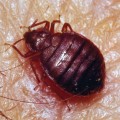
Bed bugs, scientifically known as Cimex lectularius, are small, nocturnal insects that feed on the blood of humans and animals. These pests have made a significant resurgence in recent years, causing concern for many households and travelers alike. Understanding bed bug bites and their implications is crucial for anyone who may encounter these unwelcome guests. While the mere thought of bed bugs can evoke feelings of discomfort, it is essential to delve deeper into the nature of their bites and whether they pose any real danger.
Similarly, if your dog bites you, expert tips can help you navigate the situation effectively. When bed bugs bite, they typically do so while their host is asleep, injecting saliva that contains anticoagulants to facilitate blood flow. This process can lead to various reactions, ranging from mild irritation to severe allergic responses. Many people wonder, are bed bug bites dangerous? While they are not known to transmit diseases like some other pests, the psychological and physical effects of their bites can be significant. The itching and discomfort can lead to secondary infections if the affected area is scratched excessively. In addition to the physical symptoms, the presence of bed bugs can cause considerable anxiety and stress.
The fear of being bitten can disrupt sleep patterns and lead to a decline in overall well-being. As we explore more about these pests in this article, we will uncover essential bed bug facts that will help you understand their behavior, the risks associated with their bites, and effective strategies for prevention and treatment.
What Are Bed Bugs?
Bed bugs are small, wingless insects belonging to the family Cimicidae. They are typically reddish-brown in color and can grow up to 5-7 mm in length, resembling an apple seed. These pests are nocturnal and primarily feed on the blood of humans and animals, making them a significant nuisance in homes and other living spaces.Understanding bed bug biology is essential for effective identification and management.Adult bed bugs have flat bodies that allow them to hide in tiny crevices, such as mattress seams, bed frames, and even behind wallpaper. Their ability to reproduce quickly—females can lay up to 500 eggs in their lifetime—exacerbates infestations if not addressed promptly.
Behavior and Habits
Bed bugs are attracted to warmth and carbon dioxide, which is why they often bite humans during sleep. They typically feed every 5-10 days, but can survive for several months without a meal. This resilience makes them particularly challenging to eliminate once they invade a home.How Bed Bugs Infest Homes
Infestations often begin when bed bugs hitch a ride on luggage, clothing, or used furniture.Once they enter a new environment, they seek out dark, secluded areas to establish their colonies. Common signs of an infestation include:
- Visible bed bugs: Spotting live bugs or their shed skins.
- Bite marks: Red, itchy welts on the skin that may appear in clusters.
- Fecal stains: Dark spots on bedding or furniture from digested blood.
How to Identify Bed Bug Bites
Identifying bed bug bites can be crucial for addressing an infestation early. The bites often appear as small, red, itchy welts on the skin, typically in a linear or clustered pattern.This distinctive arrangement is one of the key characteristics that can help differentiate them from other insect bites.
Common Symptoms of Bed Bug Bites:
- Itching: The most common symptom, which can range from mild to severe.
- Redness and Swelling: The bite area may become inflamed and red.
- Blisters or Hives: In some cases, bites can lead to blisters or hives, especially if scratched.
- Secondary Infections: Excessive scratching can lead to infections, requiring medical attention.
Bed Bug Bite vs. Mosquito Bite:
- Location: Bed bug bites are often found on areas of the body that are not easily accessible during sleep, while mosquito bites can occur anywhere.
- Pattern: Bed bug bites typically appear in clusters or lines, whereas mosquito bites are usually isolated.
- Timing: Bed bugs feed at night while their hosts are asleep, making their bites more likely to go unnoticed initially.
Are Bed Bug Bites Dangerous?
When it comes to bed bug bites, many people wonder if they pose any real danger to health.While bed bugs themselves are not known to transmit diseases, their bites can lead to a variety of health issues that should not be overlooked.
Health Risks of Bed Bug Bites
The primary concern with bed bug bites is the potential for allergic reactions. Some individuals may experience severe itching, redness, and swelling at the site of the bite. In rare cases, these reactions can escalate to more serious conditions such as:- Anaphylaxis: A severe allergic reaction that can be life-threatening.
- Secondary Infections: Excessive scratching of the bites can break the skin, leading to bacterial infections.
- Sleep Disturbances: The anxiety and discomfort caused by bed bug infestations can lead to insomnia and other sleep-related issues.
Complications from Bed Bug Bites
In addition to allergic reactions, complications from bed bug bites can arise if proper care is not taken. For instance:- Infection Risk: Scratching the bites can introduce bacteria into the skin, resulting in conditions like cellulitis or impetigo.
- Mental Health Effects: The stress and anxiety associated with a bed bug infestation can lead to psychological issues such as depression or anxiety disorders.
- Chronic Itching: Some individuals may develop a condition known as pruritus, where itching persists long after the initial bite has healed.
It is essential for those affected to seek appropriate treatment and take preventive measures against future infestations.
Common Misconceptions About Bed Bug Bites
When it comes to bed bug bites, there are numerous myths and misconceptions that can lead to unnecessary fear. Understanding the truth behind these myths is essential for effective management and prevention.- Myth 1: Bed bugs only bite dirty people. This is one of the most common misconceptions. In reality, bed bugs are attracted to warmth and carbon dioxide, not cleanliness. They can infest any home, regardless of hygiene.
- Myth 2: Bed bug bites are dangerous. While bed bug bites can cause discomfort and allergic reactions in some individuals, they are generally not considered dangerous.
Most people experience mild symptoms such as itching and redness, which can be treated with over-the-counter remedies.
- Myth 3: You can catch diseases from bed bug bites. Current research indicates that bed bugs do not transmit diseases to humans. The primary concern is the potential for secondary infections due to scratching the bites.
- Myth 4: Bed bugs are only found in beds. Although their name suggests otherwise, bed bugs can be found in various locations, including furniture, luggage, and even public transportation. They are adept at hiding in small crevices.
Awareness of the facts surrounding these pests can empower individuals to take appropriate action without succumbing to fear or misinformation.
How to Treat Bed Bug Bites
Dealing with bed bug bites can be uncomfortable, but there are effective ways to treat and manage the symptoms. Here are some practical steps you can take:Home Remedies for Bed Bug Bites
- Cold Compress: Applying a cold compress or ice pack to the affected area can help reduce swelling and numb the itchiness. Wrap ice in a cloth and apply it for 10-15 minutes.
- Aloe Vera: Known for its soothing properties, aloe vera gel can provide relief from itching and inflammation. Apply fresh aloe vera directly to the bites.
- Oatmeal Paste: Mixing oatmeal with water to create a paste can help alleviate itching.
Apply it to the bites and let it sit for about 30 minutes before rinsing off.
- Baking Soda: A paste made from baking soda and water can also be effective. Apply it to the bites, leave it on for 10 minutes, and then rinse off.
Over-the-Counter Treatments
If home remedies do not provide sufficient relief, consider using over-the-counter treatments:- Antihistamines: Oral antihistamines like diphenhydramine (Benadryl) can help reduce itching and swelling.
- Corticosteroid Creams: Hydrocortisone cream can be applied directly to the bites to relieve inflammation and itching.
When to Seek Medical Attention
While most bed bug bites are not dangerous, you should seek medical attention if you experience:- Severe allergic reactions, such as difficulty breathing or swelling of the face and throat.
- Signs of infection, including increased redness, warmth, or pus at the bite site.
- A rash that spreads beyond the bite area or does not improve with home treatment.
Preventing Bed Bug Infestations
Preventing bed bug infestations is crucial for maintaining a comfortable living environment and avoiding the discomfort associated with bites. Here are some effective strategies to help you avoid bed bugs in your home and during travel.- Regular Inspections: Frequently check your home for signs of bed bugs, especially in areas where they are likely to hide, such as mattresses, box springs, and furniture seams. Look for small reddish-brown spots, which may indicate bed bug excrement.
- Protective Covers: Use bed bug-proof encasements on mattresses and pillows.
These covers can trap any existing bugs and prevent new ones from entering.
- Declutter: Reduce clutter in your home to minimize hiding spots for bed bugs. The less clutter you have, the easier it is to spot and eliminate potential infestations.
- Travel Smart: When traveling, inspect hotel rooms for signs of bed bugs before unpacking. Keep your luggage on hard surfaces rather than on beds or upholstered furniture. Consider using luggage racks to keep your bags elevated.
- Laundering: Wash and dry your bedding and clothing regularly on high heat.
This can kill any bed bugs or eggs that may be present.
- Vacuuming: Regularly vacuum your home, focusing on areas where bed bugs are likely to hide. After vacuuming, immediately dispose of the vacuum bag or empty the canister outside to prevent any bugs from re-entering your home.
Frequently Asked Questions About Bed Bug Bites
When it comes to bed bug bites, many people have questions about their effects and how to manage them. Here are some of the most frequently asked questions:- Are bed bug bites harmful?
While bed bug bites are not known to transmit diseases, they can cause significant discomfort.The bites often result in itchy welts that can lead to secondary infections if scratched excessively.
- How do I know if I have been bitten by a bed bug?
Bed bug bites typically appear as small, red, itchy bumps on the skin. They often occur in clusters or lines and may take several days to show up after the initial bite. - What should I do if I get bitten?
If you suspect you have been bitten by a bed bug, it’s important to clean the area with soap and water. Over-the-counter antihistamines or hydrocortisone cream can help alleviate itching and swelling. - Can bed bug bites cause allergic reactions?
Yes, some individuals may experience allergic reactions to bed bug bites, leading to more severe symptoms such as hives or anaphylaxis in rare cases. If you experience difficulty breathing or swelling of the face, seek medical attention immediately. - How can I prevent bed bug bites?
To prevent bites, regularly inspect your sleeping area for signs of bed bugs, such as shed skins or dark spots.Use protective mattress encasements and avoid bringing used furniture into your home without thorough inspection.
Conclusion: Key Takeaways on Bed Bug Bites and Their Risks
In summary, understanding the risks associated with bed bug bites is crucial for effective prevention and management. While bed bug bites are not typically considered dangerous in terms of transmitting diseases, they can lead to significant discomfort and secondary health issues.Key takeaways include:- Physical Reactions: Most individuals experience mild to moderate reactions, including itching, redness, and swelling. However, some may develop severe allergic reactions that require medical attention.
- Psychological Impact: The presence of bed bugs can lead to anxiety, insomnia, and stress due to the fear of bites and the stigma associated with infestations.
- Infection Risks: Scratching bites can break the skin barrier, increasing the risk of bacterial infections.
It’s essential to keep the affected area clean and avoid scratching.
- Prevention is Key: Regular inspections, maintaining cleanliness, and using protective covers on mattresses can significantly reduce the likelihood of an infestation.