Bed bugs, scientifically known as Cimex lectularius, are small, elusive insects that have become a significant concern for households and businesses alike. These pests are notorious for their ability to thrive in various environments, making them a formidable challenge for pest control efforts. Understanding bed bug facts is crucial for anyone looking to protect their living spaces from these unwelcome guests. One of the most intriguing aspects of bed bugs is their remarkable resilience, particularly when it comes to surviving extreme temperatures. Bed bugs can endure a wide range of temperatures, which raises questions about their survival mechanisms.
While many insects succumb to harsh conditions, bed bugs have developed unique adaptations that allow them to withstand both high heat and freezing cold. This resilience not only complicates eradication efforts but also highlights the importance of understanding their biology and behavior. For instance, studies have shown that bed bugs can survive temperatures as low as 46°F (8°C) and as high as 122°F (50°C), depending on the duration of exposure. As we delve deeper into the world of bed bugs, it becomes evident that their survival strategies are not just fascinating but also critical for effective pest management. By exploring how these pests react to extreme temperatures, we can better equip ourselves with the knowledge needed to combat infestations and protect our homes.
This understanding is essential not only for homeowners but also for professionals in the pest control industry who must devise effective strategies to eliminate these resilient pests.
What Are Bed Bugs?
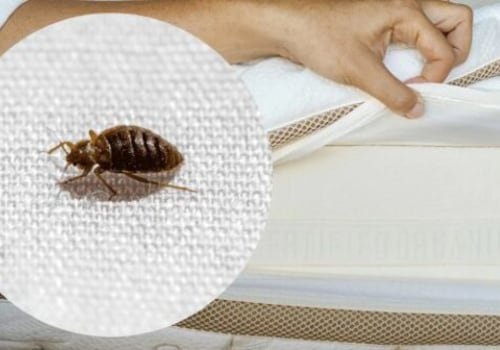
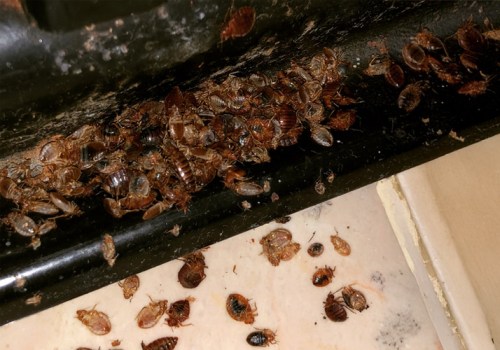
Bed bugs are small, wingless insects belonging to the family Cimicidae. They are primarily known for their parasitic behavior, feeding on the blood of humans and other warm-blooded hosts. Adult bed bugs typically measure about 4 to 5 millimeters in length, resembling an apple seed in shape and color. Their flat bodies allow them to hide easily in crevices and seams, making them particularly challenging to detect.Understanding the biology of bed bugs is crucial for effective management and control.Female bed bugs can lay up to 500 eggs in their lifetime, with each egg measuring about 1 millimeter in size. These eggs hatch into nymphs within a week, which then undergo several molts before reaching maturity. This rapid reproduction cycle contributes to the difficulty of eradicating infestations.Bed bugs are nocturnal creatures, primarily active at night when they emerge from their hiding spots to feed. They are attracted to carbon dioxide and body heat, which guide them to their hosts.
Once they locate a suitable host, they use their specialized mouthparts to pierce the skin and draw blood, often leaving behind itchy welts.In terms of bed bug facts, it is important to note that these pests can survive for several months without feeding, making them incredibly resilient. They can endure a range of environmental conditions; however, extreme temperatures can significantly impact their survival. While they thrive in warm environments, exposure to temperatures above 120°F (49°C) or below 0°F (-18°C) can be lethal.In summary, understanding what bed bugs are and their biological characteristics is essential for recognizing their resilience and developing effective strategies for prevention and control.
Extreme Temperatures: What Does It Mean for Bed Bugs?
Extreme temperatures refer to conditions that are significantly higher or lower than the typical environmental range. For bed bugs, these extremes can play a crucial role in their survival and reproduction.Understanding how temperature affects these pests is essential for effective control and prevention strategies.
Heat Tolerance
- Bed bugs are surprisingly resilient, but they do have limits. Temperatures above 113°F (45°C) can be lethal to them. At this temperature, bed bugs begin to die within 90 minutes, and exposure to temperatures of 118°F (48°C) for just 20 minutes can eliminate all life stages.
- Heat treatments are often employed in pest control, utilizing high temperatures to eradicate infestations effectively. This method is particularly useful because it can penetrate furniture and walls, reaching bed bugs hiding in hard-to-reach places.
Cold Tolerance
- On the other end of the spectrum, bed bugs can also survive cold temperatures, but their resilience diminishes as the temperature drops.
They can withstand temperatures as low as 32°F (0°C) for short periods. However, prolonged exposure to freezing conditions—typically below 0°F (-18°C)—can kill them within a few days.
- Freezing methods are less common but can be effective in certain situations, such as treating infested items that cannot withstand heat.
Can Bed Bugs Survive High Temperatures?
Understanding how high temperatures affect bed bugs is crucial for effective pest control.Research indicates that bed bugs are highly sensitive to temperature changes, particularly when exposed to extreme heat. Studies have shown that temperatures above 118°F (48°C) can kill bed bugs in all life stages, including eggs, within 90 minutes. This makes heat treatment a viable option for extermination.Heat treatment involves raising the temperature of an infested area to levels lethal to bed bugs. Professional pest control services often use specialized equipment to ensure that every corner of the infested space reaches the necessary temperature.
This method is not only effective but also environmentally friendly, as it eliminates the need for chemical pesticides.
How Heat Treatment Works
- Preparation: Before treatment, the area must be prepared by removing items that could obstruct heat flow.
- Heating: The space is heated using electric heaters or steamers, ensuring uniform temperature distribution.
- Monitoring: Technicians monitor the temperature throughout the process to confirm that it remains above the lethal threshold.
- Post-Treatment: After treatment, the area is allowed to cool down before re-entry, ensuring safety and effectiveness.
Can Bed Bugs Survive Low Temperatures?
When it comes to understanding bed bug survival, low temperatures play a significant role.Bed bugs are known to be resilient pests, but they do have their limits when exposed to extreme cold. Research indicates that bed bugs can begin to die off when exposed to temperatures below 32°F (0°C). However, the duration of exposure is crucial for effective control.For instance, studies show that bed bugs can survive short periods at low temperatures, but prolonged exposure is necessary to ensure their demise. Typically, a minimum of 4 days at 0°F (-18°C) is required to effectively kill all life stages of bed bugs, including eggs.
This method is often referred to as cold treatment for bed bugs.Here are some key points regarding the effectiveness of cold treatments:
- Duration: The longer the exposure to freezing temperatures, the more effective the treatment will be.
- Temperature: Maintaining a consistent temperature below 0°F is essential; fluctuations can allow bed bugs to survive.
- Items to Treat: Cold treatment can be applied to infested items such as clothing, bedding, and small furniture that can fit in a freezer.
Bed Bug Life Cycle and Temperature Sensitivity
The bed bug life cycle consists of several distinct stages: egg, nymph, and adult. Understanding how temperature affects each of these stages is crucial for effective pest control.- Egg Stage: Bed bug eggs are tiny, about 1mm in size, and are typically laid in clusters.
They are sensitive to temperature; optimal conditions for hatching range from 70°F to 80°F (21°C to 27°C). At temperatures below 50°F (10°C), the eggs can become dormant and may take longer to hatch.
- Nymph Stage: After hatching, bed bugs enter the nymph stage, which consists of five molts before reaching adulthood. Nymphs require a blood meal to molt successfully. They are particularly vulnerable to extreme temperatures.
At temperatures above 113°F (45°C), nymphs can die within minutes, while exposure to temperatures below 32°F (0°C) can lead to their demise over a longer period.
- Adult Stage: Adult bed bugs are more resilient than their younger counterparts but still have limits. They can survive in temperatures as low as 46°F (8°C) for short periods but will become inactive. Conversely, prolonged exposure to high temperatures above 120°F (49°C) can be lethal.
Maintaining environments outside the optimal temperature range can significantly hinder their reproduction and survival.
Practical Tips for Managing Bed Bugs in Extreme Temperatures
Managing a bed bug infestation can be challenging, especially when considering the impact of extreme temperatures. Here are some practical tips to help you control and manage these pests effectively.- Heat Treatment: One of the most effective methods for eliminating bed bugs is through heat treatment. You can use a clothes dryer set to high heat for at least 30 minutes to kill bed bugs in clothing and bedding. For larger items, consider using a portable heating unit that can raise the temperature of the infested area to at least 120°F (49°C).
- Cold Treatment: Conversely, extreme cold can also be effective.
Items that can withstand freezing temperatures should be placed in a freezer set to 0°F (-18°C) for at least four days. This method is particularly useful for smaller items that cannot be heat-treated.
- Monitor Temperature: Use thermometers to monitor the temperature in your home, especially in areas where bed bugs are likely to hide. Keeping your home at a consistent temperature can help deter infestations.
- Seal Cracks and Crevices: Insulating your home can help maintain extreme temperatures. Seal any cracks and crevices in walls, floors, and furniture where bed bugs might hide.
This not only helps with temperature control but also reduces potential hiding spots.
- Professional Help: If you’re dealing with a severe infestation, consider hiring a pest control professional who can apply specialized heat or cold treatments that are more effective than DIY methods.
Frequently Asked Questions About Bed Bugs and Temperature Survival
Understanding how bed bugs react to extreme temperatures is crucial for effective pest control. Here are some frequently asked questions regarding their survival in such conditions:- Can bed bugs survive freezing temperatures? Yes, bed bugs can survive brief exposure to freezing temperatures, but prolonged exposure (around 4 days at 0°F or -18°C) can kill them. This makes freezing a viable option for treating infested items.
- What about high temperatures? Bed bugs are less tolerant of heat.
Temperatures above 118°F (48°C) can kill them within 90 minutes. Professional heat treatments often raise the temperature in infested areas to ensure complete eradication.
- How do temperature fluctuations affect bed bugs? Bed bugs are resilient and can enter a state of dormancy when exposed to extreme temperatures. However, this does not mean they are immune; they will eventually die if conditions remain unfavorable.
- Are there any temperature ranges that are particularly dangerous for bed bugs? Yes, temperatures between 70°F and 80°F (21°C to 27°C) are ideal for bed bug reproduction. Keeping your home cooler than this can help deter infestations.
Understanding these factors can aid in developing a comprehensive pest management strategy.
Conclusion: Key Takeaways on Bed Bug Survival in Extreme Temperatures
In summary, understanding how bed bugs respond to extreme temperatures is crucial for effective pest management. These resilient pests can survive a range of conditions, but their survival is significantly impacted by temperature extremes.Key takeaways include:- High Temperatures: Bed bugs cannot withstand temperatures above 120°F (49°C) for extended periods. Heat treatments that reach this threshold can effectively eliminate infestations.
- Low Temperatures: Conversely, exposure to temperatures below 0°F (-18°C) for several days can also kill bed bugs. However, achieving and maintaining such low temperatures in infested areas can be challenging.
- Life Cycle Stages: Different life stages of bed bugs exhibit varying levels of resistance to temperature extremes.
For instance, eggs are more resilient than adults, making it essential to target all life stages during treatment.
- Environmental Factors: The effectiveness of temperature as a control method can be influenced by factors such as humidity and the duration of exposure. Therefore, a comprehensive approach that combines heat or cold treatments with other pest control methods is often necessary.