Bed bugs are small, elusive insects that have made a significant comeback in recent years, leading to widespread concern among homeowners and renters alike. Understanding bed bug facts is essential for anyone looking to effectively manage or eliminate these pests. Contrary to popular belief, bed bugs are not a sign of poor hygiene; they can infest even the cleanest of homes. These nocturnal creatures feed on human blood, typically at night, and can hide in various places, making them difficult to detect until an infestation has already occurred. There are many myths surrounding bed bugs that can hinder effective treatment.
For instance, some people believe that bed bugs can fly or jump, but in reality, they are wingless and rely on crawling to move from one location to another. Additionally, the misconception that bed bugs only inhabit beds is misleading; they can be found in furniture, carpets, and even behind wallpaper. Understanding these facts is crucial for identifying potential hiding spots and taking appropriate action. To effectively combat a bed bug infestation, it is vital to separate fact from fiction. Knowing what bed bugs are capable of and how they behave will empower you to take the necessary steps for eradication.
This knowledge not only helps in recognizing an infestation early but also aids in implementing the most effective treatment strategies. As we delve deeper into this topic, we will explore practical methods for eliminating bed bugs and debunk more myths that may be preventing you from achieving a pest-free environment.
Identifying Bed Bug Infestations
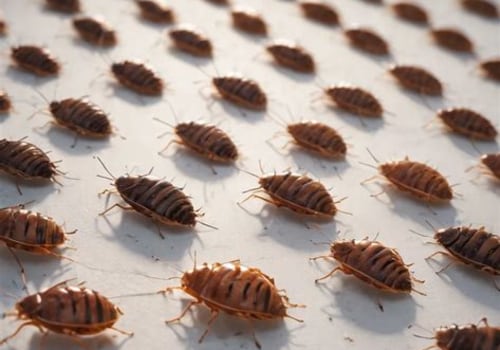
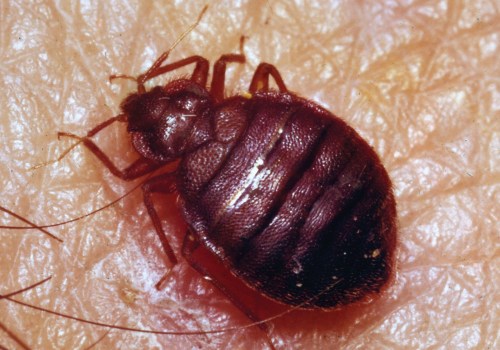
Identifying a bed bug infestation is crucial for effective treatment. These pests are notoriously elusive, making early detection essential. Here are some key indicators to help you recognize their presence:- Physical Evidence: Look for small, reddish-brown bugs about the size of an apple seed.
They often hide in seams of mattresses, box springs, and bed frames. Additionally, you may find bed bug eggs, which are tiny, white, and oval-shaped.
- Fecal Spots: Bed bugs leave behind dark spots that resemble ink stains. These fecal droppings can often be found on sheets, mattresses, and nearby surfaces.
- Blood Stains: If you notice small blood stains on your sheets or pillowcases, it could be a sign of bed bugs feeding on you during the night.
They often occur in clusters or lines on exposed skin areas such as arms and legs. While not everyone reacts to bed bug bites, those who do may experience significant discomfort. If you suspect a bed bug infestation, it’s important to act quickly. The sooner you identify the problem, the easier it will be to manage and eliminate these pests from your home.
Preventing Bed Bug Infestations
Preventing bed bugs from invading your home is crucial, as these pests can be notoriously difficult to eliminate once they establish a presence. Here are some effective bed bug prevention tips to help you keep your living space free from these unwanted intruders.- Be Cautious When Traveling: Bed bugs are often picked up in hotels, motels, and other accommodations.
Always inspect the bedding and furniture for signs of bed bugs before settling in. Keep your luggage off the floor and use hard-shell suitcases that can be easily cleaned.
- Seal Cracks and Crevices: Regularly inspect your home for any cracks or crevices where bed bugs could hide. Use caulk to seal these openings, especially around baseboards, electrical outlets, and window frames.
- Use Protective Covers: Invest in bed bug-proof mattress and box spring encasements. These covers create a barrier that prevents bed bugs from infesting your bedding and makes it easier to spot any potential issues.
- Maintain Cleanliness: Regularly vacuum your home, focusing on areas where bed bugs are likely to hide, such as carpets, rugs, and upholstered furniture.
Dispose of the vacuum bag immediately after use to prevent any potential escapees.
- Be Mindful of Secondhand Items: When bringing secondhand furniture or clothing into your home, thoroughly inspect and clean these items first. If possible, wash clothing in hot water and dry on high heat to kill any hidden bed bugs.
- Educate Yourself: Understanding bed bug facts can significantly aid in prevention. Familiarize yourself with their appearance, behavior, and signs of infestation so you can act quickly if you suspect a problem.
DIY Methods for Bed Bug Removal
When it comes to DIY bed bug removal, there are several effective methods that can help you tackle these pesky pests without breaking the bank.Here are some practical approaches you can try at home:
- Heat Treatment: Bed bugs are highly sensitive to heat. You can use a clothes dryer on high heat for 30 minutes to kill bed bugs in clothing and bedding. For larger items, consider using a steam cleaner, ensuring the steam reaches at least 120°F.
- Vacuuming: Regularly vacuuming your home can significantly reduce bed bug populations. Pay special attention to seams of mattresses, carpets, and furniture.
After vacuuming, immediately dispose of the vacuum bag or empty the canister outside to prevent re-infestation.
- Homemade Traps: Create simple traps using a mixture of soap and water. Fill shallow dishes with soapy water and place them under your bed legs. The bed bugs will fall in and drown.
- Essential Oils: Certain essential oils, such as tea tree oil and lavender oil, have insecticidal properties. Mix a few drops with water in a spray bottle and apply it to infested areas.
While this may not eliminate all bed bugs, it can help repel them.
- Diatomaceous Earth: This natural powder is effective against bed bugs. Sprinkle it in areas where you suspect bed bug activity. The tiny particles damage the exoskeletons of the bugs, leading to dehydration and death.
Regularly monitor your home for signs of re-infestation and be prepared to repeat these methods as necessary. By employing these natural methods, you can take control of your space and reduce the likelihood of a full-blown infestation.
Professional Bed Bug Extermination Services
When faced with a bed bug infestation, many homeowners find themselves overwhelmed and unsure of the best course of action. While DIY methods may seem appealing, there are several compelling reasons to consider professional bed bug extermination services.Why Hire a Professional?
- Expertise and Experience: Professional exterminators have extensive training and experience in dealing with bed bugs. They understand the behavior and biology of these pests, allowing them to implement effective treatment strategies.
- Comprehensive Assessment: A qualified pest control service will conduct a thorough inspection of your property to identify the extent of the infestation.
This assessment is crucial for developing a targeted treatment plan.
- Access to Advanced Tools: Professionals use specialized equipment and products that are not available to the general public. This includes high-powered vacuums, steamers, and insecticides that are more effective than typical household solutions.
- Long-Term Solutions: Exterminators not only eliminate existing bed bugs but also provide guidance on preventing future infestations. This may include recommendations for sealing entry points and maintaining cleanliness.
What to Expect from Pest Control Services
When you hire an exterminator, you can expect a multi-step process:
- Initial Consultation: The exterminator will discuss your concerns, inspect your home, and explain the treatment options available.
- Treatment Plan Implementation: Depending on the severity of the infestation, treatments may include chemical applications, heat treatments, or a combination of methods.
- Follow-Up Visits: Many pest control companies offer follow-up visits to ensure that the treatment was successful and to address any remaining issues.
Post-Extermination: Ensuring Bed Bugs Don’t Return
After successfully eliminating bed bugs, it’s crucial to implement strategies that will help ensure they don’t return.Here are some effective post-extermination tips to maintain a bed bug-free environment:
- Regular Inspections: Conduct thorough inspections of your home, especially in areas where bed bugs are likely to hide, such as mattresses, box springs, and furniture. Look for signs like shed skins, eggs, or live bugs.
- Use Mattress and Box Spring Encasements: Invest in high-quality encasements designed specifically for bed bugs. These protective covers trap any remaining bugs inside and prevent new ones from entering.
- Maintain Cleanliness: Regularly vacuum your home, focusing on carpets, rugs, and upholstery. Dispose of the vacuum bag immediately after use to prevent any trapped bugs from escaping.
- Monitor with Bed Bug Traps: Place bed bug monitors or traps around your sleeping areas.
These devices can help you detect any new infestations early on.
- Be Cautious with Second-Hand Items: Before bringing second-hand furniture or clothing into your home, inspect them thoroughly for any signs of bed bugs. If possible, treat these items before introducing them into your living space.
Early intervention is key to preventing a full-blown infestation. By following these guidelines and remaining vigilant, you can significantly reduce the chances of a bed bug resurgence in your home.
Frequently Asked Questions About Bed Bugs
When it comes to bed bugs, many people have questions about their behavior, health implications, and effective control methods. Here are some of the most frequently asked questions:What are bed bugs?
Bed bugs are small, reddish-brown insects that feed on the blood of humans and animals. They are nocturnal and typically hide in cracks and crevices during the day, emerging at night to feed.How do I know if I have bed bugs?
- Look for small, reddish-brown stains on your sheets or mattress.
- Check for tiny white eggs or shed skins in your bedding or furniture.
- Be aware of itchy bites on your skin, often in a line or cluster.
Do bed bugs spread disease?
No, bed bugs are not known to transmit diseases to humans. However, their bites can cause significant discomfort and lead to secondary infections due to scratching.How can I prevent bed bugs?
- Avoid bringing used furniture or clothing into your home without inspecting them first.
- Use protective covers on mattresses and box springs.
- Regularly vacuum and clean your living spaces.
What should I do if I find bed bugs?
If you suspect a bed bug infestation, it’s crucial to act quickly.Consider the following steps:
- Isolate the affected area by removing bedding and vacuuming thoroughly.
- Contact a professional pest control service for effective treatment options.
- Follow up with preventive measures to avoid future infestations.
Conclusion: Key Takeaways on Bed Bug Elimination
In conclusion, effectively eliminating bed bugs requires a comprehensive understanding of their behavior and biology. Here are the key takeaways to remember:- Identification is Crucial: Recognizing the signs of a bed bug infestation, such as bites, shed skins, and dark spots on bedding, is the first step in addressing the problem.
- Integrated Pest Management (IPM): Employing a combination of methods—such as heat treatment, chemical solutions, and thorough cleaning—ensures a more effective approach to eradication.
- Professional Help: In many cases, enlisting the services of a pest control professional can provide the expertise and resources necessary for complete elimination.
- Preventive Measures: Regularly inspecting your home, using protective covers on mattresses, and being cautious when traveling can help prevent future infestations.
- Education is Key: Understanding bed bug facts, including their life cycle and habits, empowers homeowners to take proactive steps in managing their environment.