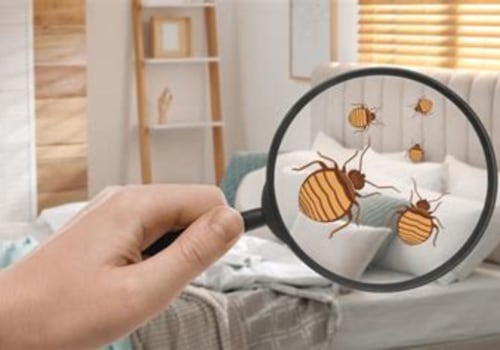
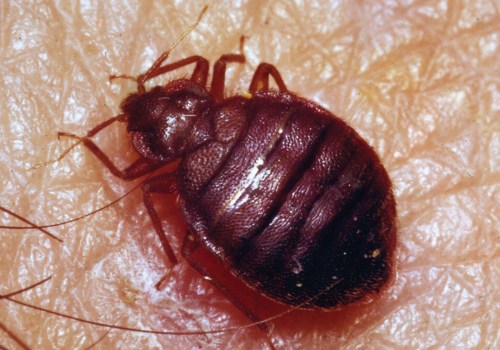
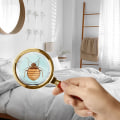
Bed bugs are small, elusive insects that have become a significant concern for many households. Understanding bed bug facts is essential for effective management and prevention. These pests are typically nocturnal, feeding on the blood of humans and animals, which makes them particularly troublesome. Adult bed bugs are about the size of an apple seed, with a flat, oval shape and a reddish-brown color.
Their ability to hide in tiny crevices and their rapid reproduction rate contribute to the difficulty in controlling infestations. Identifying the signs of a bed bug infestation is crucial for early intervention. Common indicators include small, dark spots on bedding or furniture, which are actually bed bug excrement, as well as shed skins and the presence of live bugs themselves. Additionally, many people experience itchy welts on their skin after being bitten, which can serve as a telltale sign of these unwelcome guests. Recognizing these signs early can help prevent a minor issue from escalating into a full-blown infestation. Proper disposal of infested items is vital to eliminate bed bugs effectively and prevent their spread.
Understanding how to identify these pests and their signs lays the groundwork for taking decisive action. By being informed about bed bug facts, you empower yourself to tackle infestations head-on, ensuring your living space remains safe and comfortable.
Assessing the Infestation: What to Do First
When you discover bed bugs in your home, the first step is to assess the infestation. This involves a thorough inspection of your living space to determine the extent of the problem. Start by checking common hiding spots such as:- Mattresses and box springs
- Bed frames and headboards
- Couches and upholstered furniture
- Baseboards and wall cracks
- Carpets and rugs
- Live bugs, which are small, reddish-brown, and about the size of an apple seed
- Dark spots on bedding or furniture, which are bed bug excrement
- Eggs or shed skins in crevices
Not all infested items must be thrown away; however, heavily infested items that cannot be treated effectively may need to be discarded. Consider the following:
- Assess the condition: If an item is heavily infested and cannot be cleaned or treated, it may be best to dispose of it.
- Evaluate the cost: Sometimes, replacing an item is more economical than attempting to treat it.
- Consider sentimental value: For items with significant emotional attachment, professional treatment may be worth exploring.
Safe Disposal Methods for Infested Items
When dealing with items infested by bed bugs, it is crucial to follow safe disposal methods to prevent the spread of these pests.Here are some effective strategies for disposing of infested items:
- Clothing and Fabrics: For clothing, bedding, and other fabric items, place them in a sealed plastic bag before removing them from your home. This helps contain any bed bugs that may be present. Once sealed, you can either wash these items in hot water (at least 120°F) or dispose of them directly.
- Furniture: If you need to dispose of infested furniture, first ensure that it is clearly marked as infested. Use tape to seal any openings and prevent bed bugs from escaping.
Consider cutting the furniture into smaller pieces to make it less appealing for others to take.
- Mattresses: Mattresses are often a significant source of bed bug infestations. Wrap the mattress in a plastic cover designed for disposal, ensuring it is tightly sealed. Label the mattress as "infested" to alert others and prevent accidental reuse.
- Electronics: For electronic items, such as televisions or computers, it is best to consult with local waste management services for proper disposal methods. Bed bugs can hide in small crevices, so ensure these items are securely contained before disposal.
Vacuum carpets and upholstery, and consider using a steam cleaner on surfaces where bed bugs may have traveled. Additionally, monitor your home for any signs of remaining bed bugs after disposal to ensure that the infestation has been fully addressed.By following these safe disposal methods, you can effectively manage bed bug infestations and reduce the risk of spreading these pests to other areas.
Preparing Items for Disposal: Best Practices
When dealing with a bed bug infestation, proper disposal of infested items is crucial to prevent the spread of these pests. Here are some best practices for preparing your items for disposal:- Identify Infested Items: Before you dispose of anything, carefully inspect your belongings. Commonly infested items include mattresses, box springs, furniture, and clothing.
- Seal Items: To prevent bed bugs from escaping during transport, seal infested items in plastic bags or containers.
Use heavy-duty trash bags and ensure they are tightly closed. This will help contain any remaining bugs and eggs.
- Label the Bags: Clearly label the sealed bags as "Infested with Bed Bugs". This not only alerts others to the potential risk but also helps waste management personnel handle the items appropriately.
- Avoid Mixing Items: Do not mix infested items with non-infested ones. Keep them separate to minimize the risk of cross-contamination.
- Consider Disposal Methods: Check local regulations regarding disposal methods for infested items.
Some areas may require specific procedures for hazardous waste disposal.
- Use Heat Treatment: If possible, consider using heat treatment on smaller items before disposal. Bed bugs cannot survive temperatures above 120°F (49°C). Placing items in a hot car or using a dryer can help eliminate any remaining pests.
Local Regulations and Guidelines for Disposal
When dealing with bed bug infestations, it is crucial to understand the local regulations and guidelines for disposing of infested items.Improper disposal can lead to the spread of these pests, making it essential to follow the rules set by your local waste management authorities.Many municipalities have specific regulations regarding the disposal of items that may harbor bed bugs. Here are some general guidelines to consider:
- Check Local Ordinances: Before disposing of any infested items, consult your local waste management department or website. They often provide detailed information on how to handle such situations.
- Label Infested Items: To prevent others from unknowingly coming into contact with bed bugs, clearly label any items you plan to dispose of. Use tape or markers to indicate that the item is infested.
- Seal Items Properly: Place infested items in sealed plastic bags or containers.
This helps contain any potential bed bugs and prevents them from escaping during transport.
- Bulk Waste Collection: Some areas offer bulk waste collection services specifically for large items like mattresses and furniture. Schedule a pickup if available, as this is often the safest way to dispose of infested items.
- Avoid Leaving Items on the Curb: Leaving infested items on the curb can lead to further infestations in your neighborhood. Always follow your local guidelines for proper disposal methods.
Preventing Future Infestations: Tips and Tricks
After successfully disposing of infested items, it’s crucial to implement effective strategies to prevent future bed bug infestations.Here are some practical tips to help you safeguard your home:
- Regular Inspections: Conduct routine checks of your living spaces, especially in areas where bed bugs are likely to hide, such as mattresses, box springs, and furniture seams. Early detection can prevent a larger infestation.
- Seal Cracks and Crevices: Bed bugs can enter through tiny openings. Seal any cracks in walls, baseboards, and around windows to eliminate potential entry points.
- Use Protective Covers: Invest in bed bug-proof mattress and box spring encasements. These covers trap any existing bugs and prevent new ones from infesting your bedding.
- Be Cautious with Secondhand Items: Before bringing used furniture or clothing into your home, inspect them thoroughly for signs of bed bugs.
If possible, avoid acquiring secondhand items altogether.
- Maintain Cleanliness: Regularly vacuum your home, focusing on carpets, rugs, and upholstered furniture. Dispose of the vacuum bag immediately after use to prevent any trapped bugs from escaping.
- Monitor Your Surroundings: If you live in an apartment or multi-unit dwelling, communicate with neighbors about any bed bug issues. A proactive community approach can help keep infestations at bay.
Frequently Asked Questions About Bed Bug Disposal
When dealing with bed bug infestations, proper disposal of infested items is crucial to prevent the spread of these pests. Here are some frequently asked questions regarding the disposal of bed bug-infested items:- What items should be disposed of?
Generally, any item that cannot be effectively treated or cleaned should be disposed of.This includes heavily infested mattresses, box springs, and upholstered furniture. Items like clothing and bedding can often be washed and treated instead.
- How do I prepare items for disposal?
Before disposing of infested items, seal them in plastic bags to prevent bed bugs from escaping. Use thick, durable bags and ensure they are tightly sealed. Label the bags clearly as "bed bug infested" to inform others. - Can I throw infested items in the regular trash?
Yes, but it’s important to take precautions.Place the sealed bags in your regular trash bin on collection day to minimize the risk of spreading bed bugs. Avoid leaving them outside for extended periods.
- Should I notify my waste management service?
It’s a good practice to inform your local waste management service about the disposal of infested items. They may have specific guidelines or recommendations for handling such materials. - What if I want to donate or sell my items?
Do not donate or sell any items that are known to be infested with bed bugs. This can spread the infestation to others and is considered unethical.
Conclusion: Key Takeaways on Proper Disposal of Infested Items
In conclusion, understanding how to properly dispose of infested items is crucial in the fight against bed bugs.These pests can quickly spread throughout your home, making effective disposal methods essential to prevent further infestation. Here are the key takeaways:
- Identify Infestation: Before disposing of any items, ensure that they are indeed infested. This can save you from unnecessary waste and costs.
- Seal Infested Items: Always seal infested items in plastic bags to prevent bed bugs from escaping. This is a critical step in containing the problem.
- Label for Awareness: Clearly label the bags as "Infested" to inform others and prevent accidental reuse or mishandling.
- Follow Local Regulations: Check with your local waste management authorities for specific guidelines on disposing of infested items. Some areas may have designated drop-off locations for hazardous waste.
- Consider Professional Help: If the infestation is severe, consider hiring a pest control professional who can assist with safe disposal and treatment options.
Remember, taking swift action is key to minimizing the impact of these pests on your living environment.