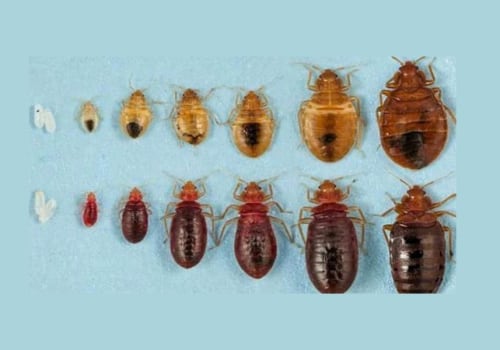
Bed bugs are small, elusive insects that have made a significant comeback in recent years, causing distress for many households. Understanding bed bug bites is crucial for anyone who suspects an infestation. These bites can lead to discomfort and anxiety, but the timeline for when symptoms appear can vary widely among individuals. This section will delve into the factors that influence how long it takes for bed bug bites to show up, providing essential bed bug facts that can help you identify where bed bugs come from and address the issue promptly. When a bed bug feeds, it injects saliva into the skin, which can trigger an allergic reaction in some people. that can help you identify where bed bugs come from and address the issue promptly. When a bed bug feeds, it injects saliva into the skin, which can trigger an allergic reaction in some people.
However, not everyone reacts the same way or at the same time. For some, bed bug bites may become noticeable within a few hours, while others might not see any signs for several days. This variability can lead to confusion and misdiagnosis, as many people may mistake these bites for other insect bites or skin conditions. In addition to individual reactions, several factors can affect the timeline of bite visibility. The location of the bite, the number of times a person has been bitten, and even their overall health can play a role in how quickly symptoms manifest.
By understanding these nuances, you can better equip yourself to recognize bed bug bites early on and take appropriate action to eliminate these pests from your living space.
What Are Bed Bugs?
Bed bugs are small, wingless insects belonging to the family Cimicidae. They are typically reddish-brown in color and can grow up to 5-7 mm in length. These pests are notorious for their ability to thrive in human environments, making them a significant concern for households and businesses alike.Understanding bed bug biology is essential for effective management and prevention. Bed bugs feed primarily on the blood of humans and other warm-blooded animals.They are nocturnal creatures, which means they are most active at night when their hosts are asleep. This behavior allows them to feed undetected, often leading to multiple bites before the host becomes aware of their presence.One of the most alarming aspects of bed bugs is their rapid reproduction rate. A single female can lay up to 500 eggs in her lifetime, and these eggs can hatch within a week under optimal conditions. This exponential growth can lead to a full-blown infestation in a matter of weeks if not addressed promptly.Bed bugs are also highly resilient.
They can survive for several months without feeding, allowing them to endure periods of low host availability. This adaptability makes them particularly challenging to eliminate once they establish themselves in a living space.In addition to their biological traits, understanding bed bug behavior is crucial for prevention. They tend to hide in cracks and crevices during the day, often residing in mattresses, box springs, bed frames, and even behind wallpaper. Their ability to remain hidden makes early detection difficult, which is why regular inspections and preventive measures are vital.In summary, bed bugs are more than just a nuisance; they pose health risks through their bites and can lead to significant emotional distress for those affected.
By familiarizing yourself with these bed bug facts, you can better protect yourself and your home from these unwelcome intruders.
How Do Bed Bug Bites Occur?
Understanding how bed bugs bite is crucial for recognizing their presence and preventing infestations. These nocturnal pests are attracted to warmth and carbon dioxide, making humans their preferred hosts. When a bed bug feeds, it typically does so at night while the host is asleep.Bed Bug Feeding Habits
- Feeding Frequency: Adult bed bugs can feed every 5 to 10 days, while nymphs require more frequent meals to grow.
- Feeding Duration: A single feeding session lasts about 3 to 10 minutes, during which the bed bug injects saliva containing anticoagulants to prevent blood clotting.
- Preferred Conditions: Bed bugs prefer warm environments, typically found in mattresses, bed frames, and other furniture close to sleeping areas.
The saliva injected during this process can cause an allergic reaction in some individuals, leading to the characteristic red, itchy welts associated with bed bug bites.After feeding, bed bugs retreat to their hiding spots, often remaining undetected until the next feeding cycle. This behavior makes them particularly challenging to eliminate once they infest an area. Understanding their feeding habits and the conditions that favor their presence can help individuals take proactive measures against these pests.
Timeline: When Do Bed Bug Bites Show Up?
Understanding the timeline for when bed bug bites show up is crucial for effective identification and management. Typically, after a bed bug bite, symptoms may not be immediately noticeable.In fact, it can take anywhere from 1 to 14 days for the bites to manifest on the skin, depending on several factors.
Factors Influencing Bite Appearance
- Individual Sensitivity: Each person reacts differently to bed bug saliva. Some may develop visible welts within a day, while others might not notice any symptoms for over a week.
- Frequency of Bites: If a person is bitten multiple times, the immune response may vary, potentially leading to quicker or more pronounced reactions.
- Location of Bites: Bites on sensitive areas of the body, such as the face or neck, may show symptoms sooner than those on less sensitive skin.
Additionally, if you notice any unusual itching or discomfort during this period, it may be wise to consult a healthcare professional for advice.In summary, while the average timeline for bed bug bites to appear is generally within a week or two, individual reactions can vary significantly. Being aware of these factors can help in identifying and addressing potential infestations more effectively.
Factors Influencing Bite Reaction Time
Understanding the factors influencing bite reaction time is crucial for identifying and managing bed bug bites effectively. Several elements can affect how quickly a person reacts to a bed bug bite, leading to varying experiences among individuals.Individual Differences in Reactions
One of the primary factors is individual sensitivity. Each person's skin and immune system respond differently to insect bites.Some may experience immediate redness and swelling, while others might not notice any symptoms for days. This variability can be attributed to:
- Skin Sensitivity: Individuals with more sensitive skin may react more quickly and severely to bites.
- Previous Exposure: Those who have been bitten before may develop a faster reaction due to sensitization, where the immune system becomes more responsive over time.
Allergic Reactions to Bed Bugs
Another significant factor is the potential for allergic reactions. Some people may have an allergy to bed bug saliva, which can lead to more pronounced symptoms. Allergic reactions can manifest as:- Hives: Raised, itchy welts on the skin.
- Anaphylaxis: In rare cases, severe allergic reactions can occur, requiring immediate medical attention.
Understanding these factors can help individuals recognize and respond to bed bug bites more effectively, ensuring timely treatment and relief from discomfort.
Identifying Bed Bug Bites vs. Other Insect Bites
Identifying bed bug bites can be challenging, especially when they resemble bites from other insects. Understanding the differences is crucial for effective treatment and prevention.Characteristics of Bed Bug Bites
Bed bug bites typically appear as small, red, itchy welts on the skin. They often occur in clusters or lines, as bed bugs tend to bite multiple times in one area.The bites may take several days to show up after the initial feeding, making it difficult to connect them to the presence of bed bugs.
Distinguishing Bed Bug Bites from Other Insect Bites
- Flea Bites: Flea bites are usually found on the lower legs and feet and appear as small red spots with a halo around them. They are often more intensely itchy than bed bug bites.
- Mosquito Bites: Mosquito bites are raised, swollen, and can be very itchy. They typically appear as single bumps rather than clusters.
- Spider Bites: Spider bites can vary widely in appearance but often have a central puncture mark and may cause more severe reactions, including pain and swelling.
- Ant Bites: Ant bites can cause immediate pain and swelling, often resulting in a blister or pustule. They may also be accompanied by a burning sensation.
- Check for signs of bed bugs in your sleeping area, such as shed skins or dark spots (fecal matter).
- Monitor the timing of the bites; if they appear after sleeping in a particular location, it may indicate bed bugs.
- If you notice a pattern of bites that align with your sleep schedule, this could further suggest bed bug activity.
Identifying the source of the bites will help you implement effective control measures and prevent future infestations.
What to Do If You Suspect Bed Bug Bites?
If you suspect that you have been bitten by bed bugs, it’s crucial to take immediate action to alleviate discomfort and prevent further infestations. Here are some steps you can follow:Treating Bed Bug Bites
- Clean the Affected Area: Start by washing the bites with soap and water to reduce the risk of infection.
- Apply a Cold Compress: Use a cold pack or a clean cloth soaked in cold water to soothe itching and reduce swelling.
- Use Over-the-Counter Treatments: Consider applying hydrocortisone cream or taking antihistamines to relieve itching and inflammation.
- Avoid Scratching: It’s important to resist the urge to scratch the bites, as this can lead to secondary infections.
Preventing Further Bites
To prevent additional bites, it’s essential to address the source of the infestation:- Inspect Your Living Space: Check your mattress, bed frame, and surrounding areas for signs of bed bugs, such as small dark spots or shed skins.
- Wash Bedding and Clothing: Wash all bedding, linens, and clothing in hot water and dry them on high heat to kill any bed bugs or eggs.
- Consider Professional Pest Control: If you find evidence of bed bugs, it may be necessary to contact a pest control professional for effective treatment options.
- Seal Cracks and Crevices: Seal any gaps in walls, floors, or furniture where bed bugs could hide or enter your living space.
Frequently Asked Questions About Bed Bug Bites
When it comes to bed bug bites, many people have questions and misconceptions. Here are some of the most frequently asked questions:- How long does it take for a bed bug bite to show up? Typically, bed bug bites can take anywhere from a few hours to several days to become noticeable.
The reaction time varies based on individual sensitivity to the bite.
- Do bed bugs only bite at night? While bed bugs are primarily nocturnal and tend to feed at night, they can also bite during the day if they are hungry and the conditions are right.
- Can you feel a bed bug bite? Many people do not feel the bite immediately, as bed bugs inject a numbing agent while feeding. However, once the numbing wears off, you may experience itching and irritation.
- Are bed bug bites dangerous? Bed bug bites are generally not considered dangerous; however, they can lead to secondary infections due to scratching. Some individuals may also experience allergic reactions.
- Myth: Bed bugs only infest dirty homes. This is false; bed bugs can thrive in any environment, regardless of cleanliness.
- Myth: You can catch bed bugs from pets. Bed bugs do not live on pets; they prefer human hosts but can hitch a ride on clothing or bags.
Conclusion: Key Takeaways on Bed Bug Bites
Understanding how long it takes for bed bug bites to show up is crucial for effective identification and management of these pests.Typically, the reaction to a bed bug bite can vary significantly from person to person, with some individuals experiencing symptoms within a few hours, while others may not notice any signs for several days.Here are the key takeaways regarding bed bug bites:
- Reaction Time: Most people will see bite marks appear within 1 to 2 days after being bitten, but it can take up to 14 days for some individuals.
- Symptoms: Common symptoms include red, itchy welts that may appear in clusters or lines. Understanding these symptoms can help in early detection.
- Individual Variation: Factors such as skin sensitivity, immune response, and previous exposure to bed bugs can influence how quickly bites become noticeable.
- Importance of Monitoring: Regularly checking for signs of bed bugs in your living space is essential, especially if you have experienced unexplained bites.
- Action Steps: If you suspect you have been bitten by bed bugs, it’s important to take immediate action. This includes inspecting your bedding and furniture, washing affected items in hot water, and considering professional pest control services if necessary.