Bed bugs, scientifically known as Cimex lectularius, are small, nocturnal insects that feed on the blood of humans and animals. These pests have made a significant comeback in recent years, causing distress and discomfort for many households. Understanding bed bug bites is crucial, as they can lead to various reactions in individuals, including the potential for an allergic reaction. This section will delve into the nature of bed bug bites and the implications they may have on your health. When bed bugs bite, they inject saliva that contains anticoagulants to prevent blood clotting while they feed.
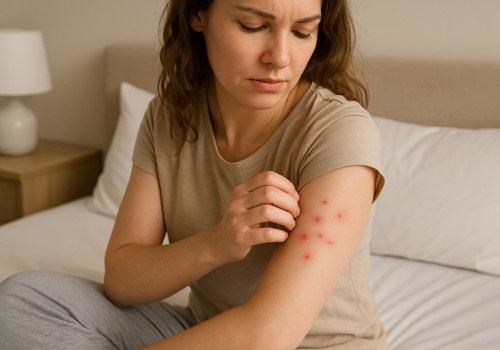
This saliva can trigger a range of responses in the human body. While some people may experience mild irritation or no reaction at all, others may develop more severe symptoms due to an allergic response. The bites often appear as small, red welts that can be itchy and uncomfortable, leading many to seek relief through various treatments. Understanding bed bug facts is essential for effective prevention and management. Knowing how to identify these pests and their bites can help individuals take proactive measures to protect themselves.
As we explore this topic further, we will examine the signs of bed bug infestations, the nature of allergic reactions to their bites, and effective strategies for dealing with these unwelcome guests.
What Are Bed Bugs?
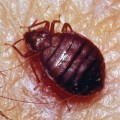
Bed bugs, scientifically known as Cimex lectularius, are small, wingless insects that feed on the blood of humans and other warm-blooded animals. These pests are typically reddish-brown in color and can grow up to 5-7 mm in length, resembling an apple seed. Understanding their biology and behavior is essential for effective management and prevention.Habitat
Bed bugs are notorious for their ability to hide in various locations, making them difficult to detect. They prefer dark, secluded areas close to their food source, which is usually a sleeping human.
Common hiding spots include:
- Mattresses and box springs
- Bed frames and headboards
- Cracks in walls and furniture
- Behind baseboards and electrical outlets
Feeding Habits
These nocturnal insects typically feed at night when their hosts are asleep. A single feeding session can last anywhere from 3 to 10 minutes. Bed bugs inject saliva into their host during feeding, which can cause localized allergic reactions in some individuals. This reaction may manifest as red, itchy welts on the skin.
Life Cycle
The life cycle of a bed bug consists of several stages: egg, nymph, and adult.
Female bed bugs can lay up to 500 eggs in their lifetime, with each egg measuring about 1 mm in size. The eggs hatch within a week, and the nymphs undergo five molts before reaching adulthood. Under optimal conditions, bed bugs can develop from egg to adult in as little as 4-5 weeks.Understanding these bed bug facts is crucial for recognizing their impact on human health. Their ability to reproduce rapidly and adapt to various environments makes them a persistent problem in homes and public spaces.
How Do Bed Bug Bites Occur?
Understanding the bed bug bite process is crucial for recognizing and addressing infestations.Bed bugs are nocturnal insects that primarily feed on human blood, and their bites typically occur while individuals are asleep. The feeding process involves several steps:
- Detection: Bed bugs are equipped with sensory receptors that help them locate their hosts. They are attracted to carbon dioxide and body heat, which guide them to sleeping humans.
- Preparation: Once a bed bug finds a suitable host, it will crawl onto the skin and prepare to bite. This can take several minutes, during which the bug may move around to find a less sensitive area.
- Bite: The actual bite occurs when the bed bug uses its specialized mouthparts to pierce the skin.
It injects saliva containing anticoagulants to prevent blood clotting, allowing for easier feeding.
- Feeding: Bed bugs typically feed for about 5 to 10 minutes, during which they can consume up to three times their body weight in blood.
Common symptoms include red, itchy welts that may appear within hours or days after being bitten. Understanding how these pests operate can help individuals take proactive measures against infestations.
Symptoms of Bed Bug Bites
Understanding the symptoms of bed bug bites is crucial for identifying whether you are experiencing a typical reaction or an allergic reaction. Bed bug bites can manifest differently from person to person, and recognizing these symptoms can help in seeking appropriate treatment.Typically, bed bug bites appear as small, red, itchy welts on the skin. These welts may be clustered together or arranged in a line, often resembling a rash.The most common symptoms include:
- Itching: This is the most prevalent symptom and can range from mild to severe.
- Redness: The area around the bite may become red and inflamed.
- Swelling: Some individuals may experience swelling at the site of the bite.
- Bumps: Raised bumps may develop, which can be mistaken for other insect bites or skin conditions.
- Severe itching: This can be intense and persistent, leading to scratching and potential secondary infections.
- Hives: Raised, itchy welts that can spread beyond the bite area.
- Difficulties breathing: In rare cases, individuals may experience respiratory issues.
- Anaphylaxis: A severe allergic reaction that requires immediate medical attention, though this is extremely rare with bed bug bites.
Can You Have an Allergic Reaction to Bed Bug Bites?
Yes, it is possible to have an allergic reaction to bed bug bites.When a bed bug bites, it injects saliva into the skin, which contains proteins that can trigger an allergic response in some individuals. This response can vary significantly from person to person, depending on their sensitivity to these proteins.
Understanding Bed Bug Allergy
- Symptoms: Common symptoms of an allergic reaction to bed bug bites include redness, swelling, and itching at the site of the bite. In more severe cases, individuals may experience hives or even anaphylaxis, although this is rare.
- Who is Susceptible: People with a history of allergies or asthma may be more prone to developing a bed bug allergy. Additionally, those who have been bitten multiple times may also become sensitized to the allergens in bed bug saliva.
- Diagnosis: If you suspect that you are having an allergic reaction to bed bug bites, it is essential to consult a healthcare professional.
They may perform skin tests or blood tests to determine your sensitivity to bed bug allergens.
Mechanisms Behind Allergic Responses
The allergic response occurs when the immune system mistakenly identifies the proteins in bed bug saliva as harmful. This triggers the release of histamines and other chemicals in the body, leading to inflammation and the characteristic symptoms of an allergy. Understanding this mechanism can help individuals recognize their symptoms and seek appropriate treatment.In conclusion, while not everyone will experience an allergic reaction to bed bug bites, it is a possibility that should not be overlooked. Awareness of bed bug facts, including potential allergic reactions, can aid in prevention and management strategies for those affected.
Factors Influencing Allergic Reactions to Bed Bug Bites
Understanding the factors influencing allergic reactions to bed bug bites is crucial for those who may be susceptible.Several elements can determine whether an individual will experience an allergic response after being bitten.
- Genetics: A person's genetic makeup plays a significant role in their immune response. Some individuals may have a predisposition to allergies, making them more likely to react to bed bug bites.
- Previous Exposure: Individuals who have been bitten by bed bugs in the past may develop a heightened sensitivity. Repeated exposure can lead to an increased immune response, resulting in more severe allergic reactions over time.
- Age: Age can also influence susceptibility. Children and older adults may have different immune responses compared to young adults, potentially leading to varying reactions.
- Overall Health: A person’s general health status, including any existing allergies or conditions like asthma, can affect how their body reacts to bed bug bites.
Those with compromised immune systems may experience more pronounced symptoms.
Treatment Options for Bed Bug Bite Reactions
When dealing with bed bug bites and the potential allergic reactions they can cause, it’s essential to understand the various treatment options available.These treatments can range from over-the-counter solutions to home remedies that can alleviate discomfort.
Medical Treatments
If you experience severe reactions, it’s advisable to consult a healthcare professional. They may recommend:- Antihistamines: Medications like diphenhydramine (Benadryl) can help reduce itching and swelling.
- Corticosteroid Creams: These topical treatments can relieve inflammation and itching.
- Oral Corticosteroids: For more severe allergic reactions, a doctor may prescribe oral steroids to manage symptoms.
Home Remedies
For those looking for natural ways to manage symptoms, several home remedies can be effective:- Cold Compress: Applying a cold pack to the affected area can help reduce swelling and numb the itch.
- Aloe Vera: Known for its soothing properties, aloe vera gel can provide relief from irritation and promote healing.
- Baking Soda Paste: Mixing baking soda with water to create a paste can help alleviate itching when applied to bites.
- Oatmeal Baths: Soaking in an oatmeal bath can soothe irritated skin and reduce inflammation.
Preventing Bed Bug Infestations
Preventing bed bug infestations is crucial for maintaining a healthy living environment and avoiding the discomfort of bites and potential allergic reactions.Here are some effective bed bug prevention tips to help you keep these pests at bay:
- Regular Inspections: Frequently check your home, especially in areas where bed bugs are likely to hide, such as mattresses, box springs, and furniture seams. Look for small reddish-brown spots or shed skins.
- Protective Covers: Use bed bug-proof encasements on mattresses and pillows. These covers can trap any existing bugs and prevent new ones from entering.
- Declutter: Reduce clutter in your home to minimize hiding spots for bed bugs. Keep items off the floor and store belongings in sealed containers.
- Careful Travel Practices: When traveling, inspect hotel rooms for signs of bed bugs.
Keep your luggage off the floor and use luggage racks. Upon returning home, wash all clothing in hot water and dry on high heat.
- Seal Cracks and Crevices: Inspect your home for cracks in walls, baseboards, and furniture. Seal these openings to limit potential entry points for bed bugs.
- Regular Cleaning: Vacuum your home regularly, focusing on areas where bed bugs may hide. Dispose of the vacuum bag immediately after use to prevent any trapped bugs from escaping.
Remember that early detection and proactive measures are key to avoiding the discomfort associated with bites and potential allergic reactions.
Frequently Asked Questions About Bed Bug Bites and Allergies
When it comes to bed bug bites and allergies, many people have questions. Here are some of the most frequently asked questions that can help clarify common concerns.Can you have an allergic reaction to bed bug bites?
Yes, it is possible to have an allergic reaction to bed bug bites. While not everyone reacts to these bites, some individuals may experience severe itching, swelling, and redness at the site of the bite. In rare cases, a more serious allergic reaction can occur, leading to symptoms such as difficulty breathing or anaphylaxis.If you suspect you are having a severe reaction, seek medical attention immediately.
What are the common symptoms of bed bug bites?
- Itching: This is the most common symptom and can range from mild to severe.
- Red welts: Bites often appear as small red bumps or welts on the skin.
- Swelling: The area around the bite may become swollen and inflamed.
- Secondary infections: Excessive scratching can lead to skin infections.
Are there any myths about bed bugs and allergies?
Yes, several myths surround bed bugs and their bites:- Myth 1: Bed bugs only bite dirty people. This is false; bed bugs can infest any home regardless of cleanliness.
- Myth 2: You can't see bed bugs. While they are small, they are visible to the naked eye, especially in their adult form.
- Myth 3: Bed bugs transmit diseases. No evidence supports that bed bugs transmit diseases like mosquitoes do.
Conclusion: Key Takeaways on Bed Bug Bites and Allergic Reactions
In summary, understanding bed bug bites and the potential for allergic reactions is crucial for anyone dealing with these pests.While not everyone will experience an allergic reaction to bed bug bites, it is important to recognize the signs and symptoms that may indicate a more severe response.Key Takeaways:
- Bed bug bites can cause a range of reactions, from mild irritation to severe allergic responses.
- Common symptoms of an allergic reaction include intense itching, swelling, and redness at the bite site.
- In some cases, individuals may develop more serious conditions such as anaphylaxis, which requires immediate medical attention.
- Identifying and treating bed bug infestations promptly can help minimize the risk of bites and subsequent allergic reactions.
- If you suspect you are having an allergic reaction to bed bug bites, consult a healthcare professional for appropriate treatment options.