Bed bugs are small, elusive insects that have become a significant concern for many households. Understanding bed bug facts is essential for anyone looking to tackle an infestation effectively. These pests, scientifically known as Cimex lectularius, are nocturnal and primarily feed on the blood of humans and animals. Their flat, oval bodies allow them to hide in tiny crevices, making them particularly challenging to detect and eliminate. One of the most alarming aspects of bed bugs is their rapid reproduction rate.
A single female can lay hundreds of eggs in her lifetime, leading to a swift escalation of an infestation if not addressed promptly. Additionally, bed bugs are known for their resilience; they can survive for months without feeding, which complicates DIY pest control efforts. To effectively manage these pests, it’s crucial to understand their behavior and habitat preferences. Bed bugs typically reside in areas close to where people sleep, such as mattresses, bed frames, and even behind wallpaper. They are attracted to warmth and carbon dioxide emitted by sleeping individuals.
This behavior not only makes them a nuisance but also highlights the importance of thorough inspections and preventive measures. By familiarizing yourself with these bed bug behaviors, you can better prepare yourself for the challenges of DIY extermination methods.
Identifying a Bed Bug Infestation
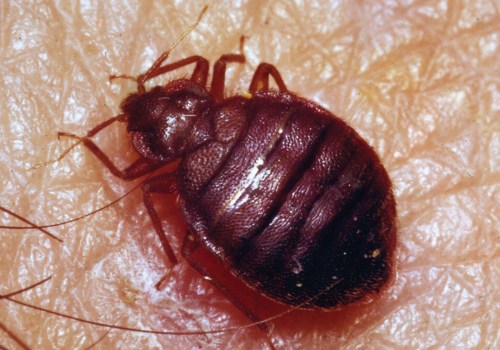
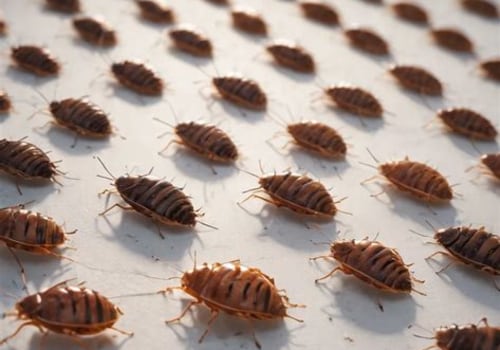
Identifying a bed bug infestation is crucial for effective treatment. These pests are small, nocturnal insects that feed on human blood, and their presence can lead to discomfort and anxiety. Here are some key indicators to help you recognize a bed bug problem:- Visual Identification: Adult bed bugs are about the size of an apple seed, approximately 1/4 inch long, and have a flat, oval shape.
They are reddish-brown in color and can be seen with the naked eye. Look for them in the seams of mattresses, behind headboards, and in cracks and crevices.
- Signs of Infestation: Besides spotting the bugs themselves, you may notice other signs such as:
- Bed Bug Eggs: These are tiny, white, and about the size of a pinhead. They can often be found in clusters.
- Fecal Spots: Dark spots on bedding or furniture are a telltale sign of bed bugs. These spots are digested blood and can be mistaken for ink stains.
- Molt Skins: As bed bugs grow, they shed their exoskeletons.
Finding these skins can indicate an ongoing infestation.
- Bite Symptoms: Bed bug bites typically appear as small, red welts on the skin. They often occur in clusters or lines and can be itchy. Some individuals may experience allergic reactions, leading to more severe symptoms.
DIY Methods for Getting Rid of Bed Bugs
When it comes to tackling a bed bug infestation, many homeowners seek DIY methods that are both effective and budget-friendly.Here are some proven strategies to help you eliminate these pesky pests from your home.
1.Heat Treatment
Bed bugs are highly sensitive to heat. You can use this to your advantage by washing infested bedding and clothing in hot water (at least 120°F) and then drying them on the highest setting for at least 30 minutes. For items that cannot be washed, consider using a steam cleaner on surfaces where bed bugs may hide.2.Diatomaceous Earth
Diatomaceous earth is a natural powder made from fossilized algae that can effectively kill bed bugs. Sprinkle it in areas where you suspect bed bug activity, such as along baseboards, in cracks, and around furniture.Leave it for a few days before vacuuming it up. This method is safe for humans and pets but lethal to insects.
3.Essential Oils
Some essential oils have insecticidal properties that can help repel or kill bed bugs. Oils such as tea tree oil, lavender oil, and peppermint oil can be mixed with water in a spray bottle and applied to infested areas. While these oils may not eliminate bed bugs entirely, they can serve as a deterrent.4.Vacuuming
A thorough vacuuming of your home is crucial in the fight against bed bugs.Use a vacuum with a HEPA filter to capture both adults and eggs. Pay special attention to seams of mattresses, upholstered furniture, and any cracks or crevices where bed bugs might hide. After vacuuming, seal the vacuum bag tightly and dispose of it outside.
5.Cold Treatment
If you have items that can withstand freezing temperatures, consider placing them in a freezer for at least four days. Bed bugs cannot survive extreme cold, making this an effective method for killing them.While these home remedies for bed bugs can be effective, it's important to remember that severe infestations may require professional intervention.Regular monitoring and preventive measures will help keep your home bed bug-free.
Preventing Future Infestations
Preventing future infestations of bed bugs requires a combination of vigilance, education, and proactive measures. Here are some effective strategies to help you maintain a bed bug-free environment.- Regular Inspections: Frequently check your home for signs of bed bugs, especially in areas where they are likely to hide, such as mattresses, box springs, and furniture seams. Look for small reddish-brown spots, shed skins, or live bugs.
- Protective Covers: Invest in bed bug-proof mattress and pillow encasements. These covers create a barrier that prevents bed bugs from entering or escaping, making it easier to spot any potential infestations.
- Declutter: Reducing clutter in your home minimizes hiding spots for bed bugs.
Keep items off the floor and store belongings in sealed containers.
- Careful Travel Practices: When traveling, inspect hotel rooms for signs of bed bugs before unpacking. Keep your luggage elevated on racks and away from the bed. Upon returning home, wash all clothing in hot water and dry on high heat.
- Seal Cracks and Crevices: Inspect your home for cracks in walls, baseboards, and furniture. Seal these openings with caulk to eliminate potential entry points for bed bugs.
- Regular Cleaning: Vacuum your home regularly, focusing on areas where bed bugs may hide.
Dispose of the vacuum bag immediately after use to prevent any captured bugs from escaping.
Frequently Asked Questions About Bed Bugs
When it comes to bed bugs, many people have questions and misconceptions that can lead to confusion. Here are some of the most frequently asked questions about these pests:- What are bed bugs?
Bed bugs are small, reddish-brown insects that feed on the blood of humans and animals.They are typically active at night and can be found in various places, including homes, hotels, and public transportation.
- How do I know if I have bed bugs?
Signs of a bed bug infestation include small reddish-brown spots on bedding, shed skins, and bites on your skin that appear in clusters or lines. - Can bed bugs transmit diseases?
While bed bugs are not known to transmit diseases, their bites can cause itching and allergic reactions in some individuals. - Are bed bugs only found in dirty places?
This is a common myth. Bed bugs can infest any location, regardless of cleanliness. They often hitch a ride on luggage, clothing, or used furniture. - How can I prevent bed bugs?
To prevent bed bugs, regularly inspect your sleeping areas, avoid bringing used furniture into your home without thorough inspection, and use protective covers on mattresses and box springs.
It’s essential to understand the limitations of home remedies and consider professional pest control services for severe infestations.In summary, understanding bed bug facts is vital for effective prevention and management. By addressing common questions and debunking myths, you can better equip yourself to handle any potential issues with these pests.
When to Seek Professional Help
While DIY methods can be effective for minor bed bug infestations, there are certain scenarios where it is crucial to seek professional bed bug treatment. Understanding when to call an exterminator can save you time, money, and further frustration.- Severe Infestation: If you notice a significant number of bed bugs in multiple rooms or areas of your home, it’s a clear sign that the infestation has escalated beyond what DIY methods can handle. Professionals have access to more potent treatments and equipment that can effectively eliminate these pests.
- Persistent Problems: If you’ve attempted DIY solutions such as heat treatments, diatomaceous earth, or insecticides but continue to see signs of bed bugs, it’s time to call in the experts.
Persistent problems often indicate that the infestation is more entrenched than initially thought.
- Health Concerns: Bed bugs can cause allergic reactions and skin infections due to their bites. If you or your family members are experiencing severe reactions or if the stress of dealing with an infestation is affecting your mental health, professional help may be necessary.
- Multiple Locations: If bed bugs are found in various locations within your home, such as bedrooms, living rooms, and even vehicles, this indicates a widespread issue. Professionals can conduct thorough inspections and treatments across all affected areas.
- Lack of Time: Effective bed bug eradication often requires multiple treatments and a significant time commitment. If you’re unable to dedicate the necessary time to manage the situation yourself, hiring a professional can ensure that the problem is handled efficiently.
Don’t hesitate to reach out to pest control experts if you find yourself facing any of these scenarios. Their expertise can provide peace of mind and a more effective resolution to your bed bug problem.
Conclusion: Key Takeaways on Bed Bug Management
In conclusion, managing bed bugs effectively requires a comprehensive understanding of their behavior and biology. Throughout this article, we have explored various DIY methods for eliminating these pests, emphasizing the importance of a proactive approach. Here are the key takeaways:- Identification is Crucial: Recognizing the signs of a bed bug infestation early can significantly increase your chances of successful eradication. Look for small, reddish-brown bugs, shed skins, and dark spots on bedding.
- Heat Treatment: One of the most effective DIY methods involves using heat.
Washing infested items in hot water and drying them on high heat can kill bed bugs at all life stages.
- Vacuuming: Regularly vacuuming your home, especially around sleeping areas, can help remove bed bugs and their eggs. Be sure to dispose of the vacuum bag immediately to prevent re-infestation.
- Natural Remedies: While not always as effective as chemical treatments, natural solutions like diatomaceous earth and essential oils can provide additional support in your bed bug management strategy.
- Preventive Measures: After addressing an infestation, it’s vital to implement preventive measures. This includes sealing cracks and crevices, using mattress encasements, and being cautious when traveling.