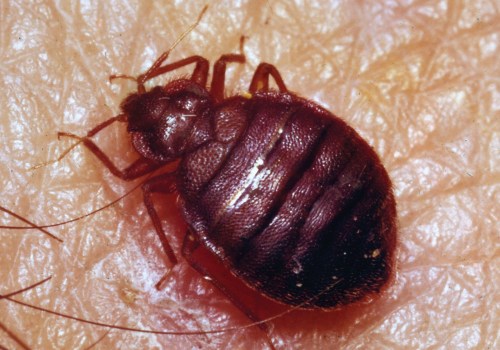
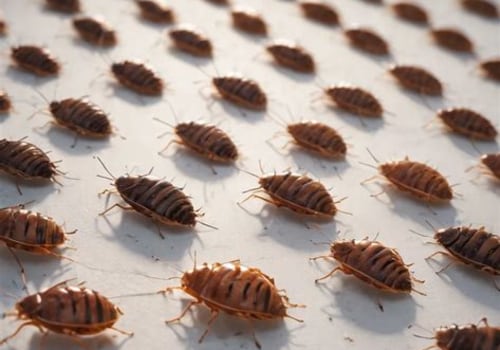
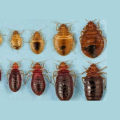
Bed bugs are small, elusive insects that have made a significant comeback in recent years, causing concern for homeowners and renters alike. These pests, scientifically known as Cimex lectularius, thrive in warm environments and are notorious for their ability to hide in the tiniest of crevices. Understanding bed bug behavior is essential for anyone looking to prevent or address an infestation, especially pet owners who may unknowingly contribute to the spread of these pests. Bed bugs are primarily nocturnal, feeding on the blood of their hosts while they sleep. Their bites can lead to itchy welts and allergic reactions, making it crucial to identify and eliminate them quickly.
They are not just limited to beds; they can be found in furniture, carpets, and even on clothing. This adaptability allows them to spread rapidly within a household, which raises the question: can pets carry and spread bed bugs?While bed bugs do not infest pets in the same way that fleas or ticks do, they can hitch a ride on animals as they move around the home. Pets may unknowingly transport these pests from one location to another, making it vital for pet owners to be vigilant. By understanding the habits and habitats of bed bugs, readers can take proactive measures to protect their homes and pets from potential infestations.
Can Pets Carry Bed Bugs?
When considering bed bug facts, one common question arises: can pets carry bed bugs? The answer is yes, pets can indeed transport these pests, although they are not the primary hosts for bed bugs.Unlike fleas or ticks, which specifically target animals, bed bugs prefer humans as their main source of blood. However, this does not mean that your furry friends are completely safe from becoming unwitting carriers.
Pets and bed bugs
can interact in ways that allow these pests to hitch a ride. For instance, if your pet has been in an infested area—such as a hotel room, a friend's house, or even a public park—bed bugs can cling to their fur or belongings. Once back home, these bugs can then transfer to your living space.Here are some key points to consider regarding pets and their potential role in spreading bed bugs:- Fur and Belongings: Bed bugs can easily attach themselves to the fur of dogs and cats.
They may also hide in pet carriers, bedding, or toys.
- Indirect Spread: While pets do not host bed bugs in the same way they do fleas, they can still contribute to the spread by bringing them into your home.
- Behavioral Factors: Pets that frequently visit different environments or interact with other animals may have a higher risk of picking up bed bugs.
How Bed Bugs Interact with Pets
Understanding how bed bugs interact with pets is crucial for homeowners dealing with an infestation. While bed bugs primarily feed on human blood, they can also bite pets, although this is less common.Pets, such as dogs and cats, may attract bed bugs due to their close proximity to humans and the warmth they emit.
Do Bed Bugs Bite Pets?
Yes, bed bugs can bite pets. However, the bites are often less noticeable compared to those on humans. Pets may experience mild irritation or discomfort from bites, which can lead to scratching or biting at the affected area. Common signs of bed bug bites on pets include:
- Red, itchy welts on the skin
- Excessive scratching or grooming
- Restlessness during sleep
Pet Behavior with Bed Bugs
Pets may exhibit various behaviors when they are in an environment infested with bed bugs.
They might become anxious or agitated due to the discomfort caused by bites. Additionally, pets may try to escape areas where they feel uncomfortable, which can lead them to hide in unusual places.If you suspect that your pet has been exposed to bed bugs, it is essential to check their bedding and favorite resting spots for signs of these pests. Regular grooming and bathing can help reduce the risk of bringing bed bugs into your home.In conclusion, while pets can carry and be affected by bed bugs, their role in spreading these pests is limited compared to humans. Nonetheless, monitoring your pet's behavior and health is vital in managing a potential infestation.
Signs of Bed Bugs in Your Home
Identifying the signs of a bed bug infestation in your home is crucial, especially if you have pets.These pests are notorious for their ability to hide and reproduce quickly, making early detection essential. Here are some key indicators to look for:
- Physical Bites: If you or your pets are waking up with unexplained bites, it could be a sign of bed bugs. These bites often appear in clusters or lines and can cause itching and discomfort.
- Blood Stains: Look for small blood stains on your sheets, pillowcases, or pet bedding. These stains can occur when bed bugs are crushed after feeding.
- Dark Spots: Tiny dark spots on your mattress or furniture may indicate bed bug excrement.
These spots can be a telltale sign of an infestation.
- Eggs and Shells: Bed bug eggs are tiny, white, and oval-shaped. You may also find shed skins from nymphs as they grow into adults.
- Unpleasant Odor: A musty or sweet smell in your home can indicate a larger infestation. This odor comes from the scent glands of bed bugs.
Regularly checking these areas can help you catch an infestation early. If you suspect that your pets may have brought bed bugs into your home, it’s important to act quickly. Consider consulting a pest control professional who can provide guidance on how to eliminate these pests effectively.
Preventing Bed Bug Infestations with Pets
As a pet owner, it’s essential to be proactive in preventing bed bug infestations that could involve your furry friends. While pets themselves do not carry bed bugs, they can inadvertently bring these pests into your home. Here are some practical tips to help you keep your pets safe and minimize the risk of bed bugs:- Regular Grooming: Make grooming a routine part of your pet care.
Regularly brushing your pet can help you spot any signs of bed bugs or other pests before they become a problem.
- Inspect Pet Bedding: Frequently wash and inspect your pet's bedding. Use hot water to wash their blankets and beds, as high temperatures can kill any potential bed bugs or eggs.
- Avoid Infested Areas: Be cautious when visiting places known for bed bug issues, such as hotels or shelters. Always check for signs of bed bugs in these environments before allowing your pet to settle down.
- Use Protective Covers: Consider using protective covers on your pet’s bedding and furniture. These covers can help prevent bed bugs from nesting in these areas.
- Vacuum Regularly: Maintain a clean home by vacuuming frequently, especially in areas where your pets spend time.
This helps remove any stray bed bugs or eggs that may have found their way into your living space.
What to Do If You Suspect Bed Bugs in Your Home
If you suspect that bed bugs have invaded your home, it’s crucial to act quickly and methodically to address the issue. Here are the steps you should take:1.Confirm the Infestation
Before taking any action, ensure that you are indeed dealing with a bed bug infestation.Look for signs such as:
- Small reddish-brown bugs in your bedding or furniture.
- Dark spots on sheets or mattresses, which are bed bug excrement.
- Eggs or shed skins in crevices and seams of furniture.
2.Contain the Problem
Once confirmed, it’s important to contain the infestation to prevent it from spreading:- Remove all bedding and wash it in hot water, then dry on high heat.
- Vacuum your mattress, bed frame, and surrounding areas thoroughly.
- Seal any items that cannot be washed in plastic bags until they can be treated.
3.Treatment Options
You have several options for treating bed bugs:- DIY Methods: Use bed bug sprays or powders available at local stores. Follow the instructions carefully for effective results.
- Heat Treatment: Bed bugs cannot survive high temperatures. Consider using a steam cleaner on affected areas.
- Pest Control Professionals: If the infestation is severe or persistent, hiring a professional exterminator may be necessary. They have access to more potent treatments and can provide a comprehensive plan for eradication.
4.Prevention Tips
After treatment, take steps to prevent future infestations:- Regularly inspect second-hand furniture before bringing it into your home.
- Use protective covers on mattresses and box springs.
- Avoid clutter where bed bugs can hide.
Dealing with a bed bug infestation can be challenging, but with prompt action and the right strategies, you can reclaim your home from these pests.
FAQs About Pets and Bed Bugs
As a pet owner, you may have concerns about whether your furry friends can carry and spread bed bugs. Here are some frequently asked questions that can help clarify this issue:- Can pets bring bed bugs into the home?
While pets themselves do not typically harbor bed bugs, they can inadvertently transport them. Bed bugs are known to cling to clothing, bags, and even the fur of animals. If your pet has been in an infested area, there is a possibility that they could carry bed bugs back home. - Do bed bugs bite pets?
Yes, bed bugs can bite pets.They are attracted to warmth and carbon dioxide, which means that pets can be targets for these pests. However, the bites may not be as noticeable on animals as they are on humans.
- How can I tell if my pet has been exposed to bed bugs?
Look for signs such as unusual scratching or biting at their skin. Additionally, check for any small red welts or irritations on their body. If you suspect exposure, it’s wise to consult a veterinarian. - What should I do if I find bed bugs in my home?
If you discover bed bugs, it’s crucial to act quickly.Start by thoroughly cleaning your home, including washing pet bedding in hot water. Consider contacting a pest control professional for effective treatment options.
Conclusion: Key Takeaways on Pets and Bed Bugs
In conclusion, understanding the relationship between pets and bed bugs is crucial for effective prevention and management of infestations. While pets themselves do not directly carry bed bugs, they can inadvertently transport these pests into your home.Here are the key takeaways:
- Awareness is Essential: Recognizing that bed bugs can hitch a ride on your pets is the first step in preventing an infestation. Regularly inspect your pets, especially after they have been in contact with other animals or visited places like parks or pet boarding facilities.
- Preventive Measures: Implementing preventive measures such as keeping your pet's bedding clean and vacuuming frequently can significantly reduce the risk of bringing bed bugs into your home.
- Professional Help: If you suspect a bed bug infestation, it’s important to consult with pest control professionals who can provide effective treatment options tailored to your situation.
- Education and Resources: Stay informed about bed bug facts and the latest research on pest control. Knowledge empowers you to take proactive steps in safeguarding your home and pets.