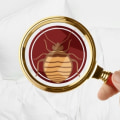
Bed bugs are small, elusive insects that have become a significant concern for many households across the United States. These pests, scientifically known as Cimex lectularius, thrive in environments where they can easily access their primary food source: human blood. Understanding bed bug facts is crucial for anyone looking to protect their home and personal belongings from these unwelcome intruders. One of the most pressing questions that arise when discussing bed bugs is whether they can inhabit our clothing. The answer is yes; bed bugs can indeed live in your clothes, making it essential to be vigilant about where you store your garments and how you handle them.
These pests are adept at hiding in the seams and folds of clothing, allowing them to travel undetected from one location to another. As we delve deeper into the world of bed bugs, we will explore their behavior, life cycle, and the various ways they can infiltrate your living space. By arming yourself with knowledge about these pests, you can take proactive measures to prevent an infestation and ensure that your clothing remains a safe haven rather than a breeding ground for bed bugs.
What Are Bed Bugs?
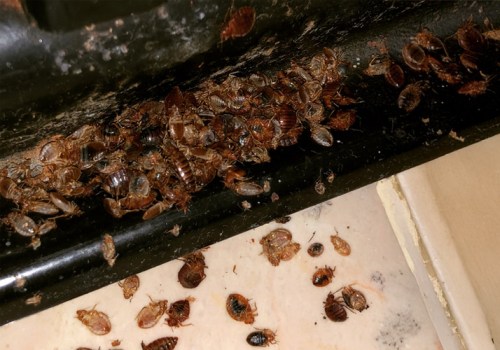
Bed bugs, scientifically known as Cimex lectularius, are small, parasitic insects that feed on the blood of humans and animals. These nocturnal pests are typically about the size of an apple seed, measuring approximately 1/4 inch in length. Their bodies are flat and oval-shaped, which allows them to hide easily in various environments.Appearance
: Adult bed bugs have a reddish-brown color and are wingless, making them reliant on their ability to hide in crevices and seams.
Their young, or nymphs, are smaller and lighter in color, often appearing translucent until they feed.
Life Cycle
: Understanding the life cycle of bed bugs is essential for effective control. Bed bugs undergo five nymphal stages before reaching adulthood. Each stage requires a blood meal to molt into the next phase. Under optimal conditions, a female bed bug can lay up to 500 eggs in her lifetime, with eggs hatching within a week under favorable temperatures.
Behavior
: Bed bugs are primarily active at night, using their keen sense of smell to locate hosts.
They tend to hide in places such as mattress seams, bed frames, and even within clothing or luggage. This behavior makes them particularly challenging to detect and eliminate.In addition to their resilience, bed bugs can survive for several months without feeding, allowing them to endure periods of host absence. This adaptability contributes to their widespread presence in homes, hotels, and other accommodations.Understanding these bed bug facts is crucial for recognizing an infestation early and taking appropriate action. Awareness of their biology and behavior can significantly aid in prevention and control efforts.
How Do Bed Bugs Infest Clothing?
Bed bugs are notorious for their ability to infest clothing, making it crucial to understand how they spread and establish themselves in our wardrobes.These small, nocturnal insects primarily feed on human blood and are adept at hitching rides on various items, including clothing.
How Bed Bugs Spread
- Traveling: Bed bugs often latch onto clothing when individuals visit infested areas, such as hotels, public transportation, or even friends' homes. They can easily cling to the fabric of jackets, pants, or bags.
- Secondhand Items: Purchasing used clothing or furniture can introduce bed bugs into your home. Always inspect secondhand items thoroughly before bringing them inside.
- Shared Spaces: In communal living situations, such as dormitories or apartments, bed bugs can migrate from one unit to another through shared laundry facilities or common areas.
They can survive for several months without feeding, allowing them to persist in your wardrobe even if you don’t wear those clothes regularly.
Preventing Infestation
- Regular Inspections: Frequently check your clothing and laundry for signs of bed bugs, such as small dark spots (fecal matter) or shed skins.
- Laundering: Wash and dry clothes on high heat after returning from travel or if you suspect exposure to bed bugs. Heat is effective in killing both adults and eggs.
- Avoiding Clutter: Keeping your living space organized reduces hiding spots for bed bugs and makes it easier to spot an infestation early.
Signs of Bed Bugs in Your Clothes
Detecting bed bugs in your clothes can be challenging, but recognizing the signs of bed bugs early is crucial for effective treatment. Here are some key indicators to look for:- Visible Bugs: The most obvious sign is the presence of live bed bugs.
These small, reddish-brown insects are about the size of an apple seed and can often be found hiding in the seams and folds of clothing.
- Fecal Spots: Bed bugs leave behind small, dark spots that resemble ink stains. These fecal spots can often be found on clothing, especially in areas where the fabric is tightly woven.
- Eggs and Shells: Look for tiny, white eggs or shed skins. Bed bug eggs are about the size of a pinhead and can be found in the crevices of clothing or inside pockets.
- Itchy Bites: If you notice unexplained bites on your skin after wearing certain clothes, it could indicate that bed bugs have been present. These bites often appear in clusters or lines and can cause significant itching.
Wash all affected items in hot water and dry them on high heat to kill any bed bugs or eggs present. Additionally, inspect your closet and storage areas for further signs of infestation. Being proactive about detecting bed bugs in clothes can save you from a larger infestation. Regularly check your garments, especially after traveling or staying in hotels, as these are common ways for bed bugs to hitch a ride into your home.
Can Bed Bugs Survive in Clothes?
Bed bugs are notorious for their ability to hide and thrive in various environments, including clothing. While they are primarily associated with beds and furniture, it is essential to understand that these pests can indeed survive in your clothes.Do Bed Bugs Live in Clothes?
Yes, bed bugs can live in clothes.
They are attracted to the warmth and carbon dioxide emitted by humans, making clothing a convenient hiding spot when they are not feeding. Bed bugs can easily crawl into the folds and seams of garments, especially if they are left on the floor or in a pile.
Survival of Bed Bugs
The survival of bed bugs in clothing largely depends on several factors:
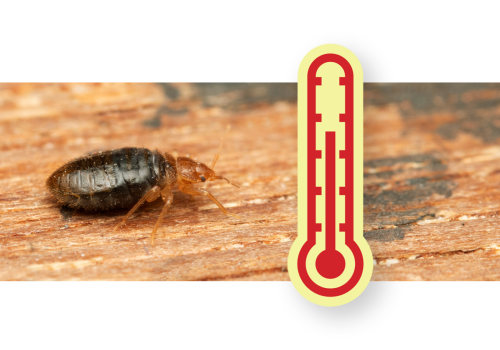
- Temperature: Bed bugs thrive in temperatures between 70°F and 80°F. Extreme cold or heat can kill them, but they can survive for months without feeding in cooler conditions.
- Humidity: These pests prefer environments with moderate humidity. Too dry or too humid conditions can affect their lifespan.
- Duration without food: Adult bed bugs can survive for several months without a blood meal, while nymphs may only last a few weeks.
Clothing and Bed Bugs
If you suspect a bed bug infestation, it is crucial to inspect your clothing thoroughly.
Washing clothes in hot water and drying them on high heat can effectively eliminate any bed bugs or eggs present. Additionally, storing clothes in sealed plastic bags can help prevent bed bugs from infesting your wardrobe.In summary, while bed bugs primarily inhabit beds and furniture, they can also survive in your clothes under the right conditions. Being proactive about cleaning and inspecting your clothing is vital to preventing an infestation.
Preventing Bed Bug Infestations in Clothing
Preventing bed bug infestations in your clothing is essential for maintaining a pest-free home. Here are some effective strategies to help you avoid these unwanted guests:- Regularly Inspect Your Clothing: Before bringing new clothes into your home, especially second-hand items, inspect them thoroughly for any signs of bed bugs.
Look for small dark spots, shed skins, or live bugs.
- Wash and Dry Clothes on High Heat: Washing your clothes in hot water and then drying them on high heat can kill any bed bugs or eggs that may be present. Aim for a wash temperature of at least 120°F (49°C).
- Store Clothes Properly: Use airtight containers or vacuum-sealed bags to store seasonal clothing or items that you don’t use frequently. This will help keep bed bugs out.
- Avoid Placing Clothes on the Bed: When you’re getting dressed or undressed, avoid placing your clothes on the bed. Instead, use a designated chair or a clean surface away from the bed.
- Be Cautious When Traveling: When staying in hotels, keep your luggage off the floor and on a luggage rack.
Upon returning home, wash all travel clothes immediately and inspect your suitcase for any signs of bed bugs.
How to Treat Clothes Infested with Bed Bugs
If you suspect that your clothes are infested with bed bugs, it’s crucial to act quickly to prevent the spread of these pests. Here are effective methods for treating your clothing:- Wash Your Clothes: Start by washing all infested clothing in hot water. Use a temperature of at least 120°F (49°C) to effectively kill bed bugs and their eggs.
Make sure to wash items like jackets, blankets, and any other fabric that may have come into contact with infested areas.
- Dry on High Heat: After washing, place your clothes in the dryer on a high heat setting for at least 30 minutes. The heat from the dryer will help eliminate any remaining bed bugs and eggs that may not have been killed during the wash.
- Use a Bed Bug Spray: For items that cannot be washed, consider using a bed bug spray specifically designed for fabrics. Ensure that the product is safe for use on clothing and follow the manufacturer’s instructions carefully.
- Seal Non-Washable Items: For items that cannot be washed or dried, such as shoes or bags, seal them in plastic bags for several months. This will starve any bed bugs of their food source (human blood) and eventually lead to their demise.
- Inspect and Vacuum: After treating your clothes, inspect your closet and storage areas for any signs of bed bugs.
Use a vacuum with a HEPA filter to clean these areas thoroughly. Be sure to dispose of the vacuum bag immediately after use to prevent re-infestation.
Frequently Asked Questions About Bed Bugs and Clothing
When it comes to bed bugs and clothing, many people have questions about how these pests can affect their daily lives. Here are some of the most frequently asked questions regarding bed bugs and clothing:- Do bed bugs live in laundry? Yes, bed bugs can indeed hide in laundry.
They are attracted to the warmth and carbon dioxide emitted by humans, making clothing a potential hiding spot. If you have been in an infested area, it’s advisable to wash your clothes immediately.
- Can bed bugs survive in a washing machine? Bed bugs are resilient, but they cannot survive the heat of a washing machine if the water is hot enough. Washing clothes in hot water (at least 120°F) can kill bed bugs and their eggs.
- How do I know if my clothes are infested with bed bugs? Look for small reddish-brown spots on your clothing, which may be bed bug excrement. Additionally, you might find shed skins or even live bugs in the seams and folds of your garments.
- What should I do if I suspect my clothes have bed bugs? If you suspect that your clothes are infested, wash them immediately in hot water and dry them on high heat for at least 30 minutes.
This will help eliminate any potential bed bugs.
- Can bed bugs travel on my clothes? Yes, bed bugs can hitch a ride on your clothing. They often cling to fabric fibers, making it easy for them to spread from one location to another.
Conclusion: Key Takeaways on Bed Bugs and Clothing
In summary, understanding the relationship between bed bugs and clothing is crucial for effective pest management. Here are the key takeaways:- Bed Bugs Can Live in Clothes: These pests are not limited to mattresses and bed frames; they can easily hide in clothing, especially if it is left on the floor or in close proximity to infested areas.
- Signs of Infestation: Look for small, dark spots on your clothes, which may indicate bed bug droppings.
Additionally, bites on your skin after wearing certain garments can be a sign of their presence.
- Prevention is Key: Regularly washing and drying clothes on high heat can kill any potential bed bugs. It’s also wise to store clothes in sealed containers when not in use.
- Immediate Action Required: If you suspect bed bugs in your clothing, act quickly. Isolate the affected items and treat them appropriately to prevent further spread.
- Professional Help: In cases of severe infestation, consulting a pest control professional may be necessary to ensure complete eradication.