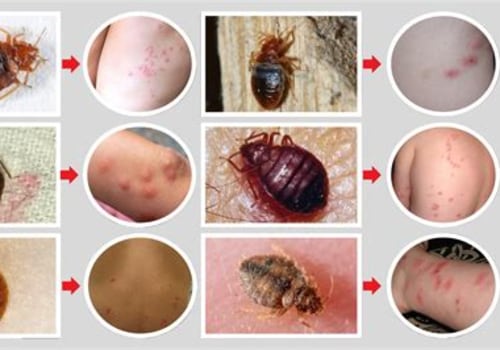
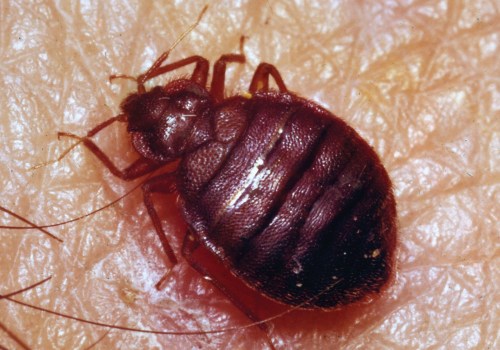
Bed bugs are small, nocturnal insects that belong to the Cimicidae family. They are notorious for their ability to thrive in human environments, often hiding in the crevices of beds, furniture, and even walls. Understanding bed bug facts is essential for anyone who wants to protect their home from these unwelcome pests. Adult bed bugs are about the size of an apple seed, with a flat, oval shape and a reddish-brown color.
Their small size allows them to easily hide in tight spaces, making them difficult to detect until an infestation has already taken hold. One of the most alarming aspects of bed bugs is their reproductive capabilities. A single female can lay hundreds of eggs in her lifetime, leading to rapid population growth if not addressed promptly. This makes early detection crucial. Recognizing the signs of a bed bug infestation can save you from extensive damage and discomfort.
Common indicators include small blood stains on sheets, dark spots of excrement, and the presence of shed skins. Moreover, understanding bed bugs goes beyond just identifying them; it also involves knowing their behavior and habits. They are attracted to warmth and carbon dioxide, which is why they often bite humans during sleep. This knowledge not only aids in identification but also helps in implementing effective prevention strategies. By familiarizing yourself with these bed bug facts, you can take proactive measures to ensure your living space remains free from these persistent pests.
Signs of a Bed Bug Infestation
Identifying a bed bug infestation early is crucial for effective treatment.Here are some key signs of a bed bug infestation that you should be aware of:
- Physical Evidence: Look for small, reddish-brown bugs about the size of an apple seed. They often hide in seams of mattresses, box springs, and bed frames.
- Bed Bug Bites: If you wake up with itchy, red welts on your skin, especially in a line or cluster, this could indicate bed bug bites. These bites typically appear on exposed skin.
- Fecal Stains: Bed bugs leave behind dark spots of fecal matter, which can be found on sheets, mattresses, and nearby surfaces. These stains may look like small ink spots.
- Eggs and Shells: Bed bug eggs are tiny, white, and oval-shaped.
You may also find shed skins from nymphs as they grow into adults.
- Unusual Odor: A strong, musty smell in your bedroom can indicate a significant bed bug presence. This odor comes from the scent glands of the bugs.
- Increased Activity at Night: Bed bugs are nocturnal creatures. If you notice increased activity or bites during the night, it may be time to investigate further.
Common Hiding Spots for Bed Bugs
Identifying a bed bug infestation requires knowing where these pests typically hide.Bed bugs are notorious for their ability to conceal themselves in various locations, making detection challenging. Here are some common hiding spots to inspect:
- Mattresses and Box Springs: Bed bugs often reside in the seams, folds, and crevices of mattresses and box springs. Check for small dark spots, which may indicate bed bug excrement.
- Bed Frames: The frame of your bed can be a prime location for bed bugs. Inspect the joints, corners, and any cracks or crevices.
- Headboards: Bed bugs can hide behind or within headboards, especially if they are attached to the wall.
Remove the headboard if possible to check for signs of infestation.
- Furniture: Other furniture pieces, such as nightstands, dressers, and chairs, can also harbor bed bugs. Look in drawers and under cushions.
- Baseboards and Wall Cracks: Bed bugs can travel along walls and may hide in cracks or gaps in baseboards. Inspect these areas closely during your search.
- Luggage and Bags: If you’ve traveled recently, check your luggage and bags thoroughly. Bed bugs can easily hitch a ride back home with you.
Regular inspections of these hiding spots can help catch an infestation early before it spreads further throughout your home.
How to Conduct a Bed Bug Inspection
Identifying a bed bug infestation early is crucial for effective treatment. Here’s a step-by-step guide on how to conduct a thorough bed bug inspection.- Gather Your Tools: Before you start, equip yourself with a flashlight, a magnifying glass, and a pair of tweezers. These tools will help you spot and collect any potential bed bugs or their eggs.
- Inspect the Sleeping Areas: Begin your inspection in the bedroom, focusing on the bed and surrounding areas. Check the seams of the mattress and box spring, as well as the headboard and bed frame.
Look for small reddish-brown spots, which may indicate bed bug excrement.
- Check Other Furniture: Bed bugs can hide in various places. Inspect nightstands, dressers, and any upholstered furniture. Pay special attention to cracks and crevices where they might hide.
- Look for Signs in Other Rooms: Bed bugs can spread beyond the bedroom. Inspect other areas such as living rooms and laundry rooms.
Check behind picture frames, under cushions, and inside electronics.
- Examine Luggage and Clothing: If you’ve recently traveled, inspect your luggage thoroughly before bringing it into your home. Check clothing items that may have been in contact with infested areas.
Using Tools and Resources for Detection
Identifying a bed bug infestation can be challenging, but utilizing the right tools and resources can significantly enhance your detection efforts.Here are some effective options to consider:
- Bed Bug Traps: These are specially designed devices that can help you monitor and capture bed bugs. There are various types of traps available, including:
- Sticky Traps: These traps use adhesive surfaces to catch bed bugs as they move around. Place them near suspected areas, such as beds and furniture.
- Interceptor Traps: These are placed under the legs of beds or furniture. They capture bed bugs attempting to climb up, providing a clear indication of their presence.
- Visual Inspection Tools: A flashlight and a magnifying glass can be invaluable for conducting a thorough visual inspection.
Look for signs such as:
- Dark Spots: Fecal matter from bed bugs often appears as small dark spots on bedding or furniture.
- Eggs and Shells: Bed bug eggs are tiny and white, while shed skins are translucent and can be found in hiding spots.
- Professional Inspection Services: If you suspect a significant infestation, hiring a pest control professional may be the best course of action. They have access to advanced detection tools, such as:
- Canine Detection: Trained dogs can sniff out bed bugs with remarkable accuracy, even in hard-to-reach areas.
- Thermal Imaging: This technology detects heat emitted by bed bugs, allowing professionals to locate them without invasive measures.
Frequently Asked Questions About Bed Bug Infestations
When it comes to bed bug infestations, many people have questions that can help them understand and identify these pests more effectively.Here are some of the most frequently asked questions:
- What do bed bugs look like? Bed bugs are small, flat, and oval-shaped insects that typically measure about 1/4 inch in length. They are reddish-brown in color and can be easily mistaken for other pests.
- How can I tell if I have a bed bug infestation? Look for signs such as small blood stains on your sheets, dark spots of bed bug excrement, or the presence of shed skins. Additionally, you may notice a musty odor in your bedroom.
- Where do bed bugs hide? Bed bugs are known to hide in cracks and crevices, including mattress seams, bed frames, and even behind wallpaper. They can also be found in furniture and luggage.
- Can I get rid of bed bugs on my own? While DIY methods exist, they are often ineffective.
It is recommended to consult a pest control professional for thorough treatment.
- How do I prevent a bed bug infestation? To prevent infestations, regularly inspect your sleeping areas, avoid bringing used furniture into your home without inspection, and use protective covers on mattresses and pillows.
Conclusion: Key Takeaways on Identifying Bed Bug Infestations
In summary, identifying a bed bug infestation early is crucial for effective management and eradication.Bed bug facts
reveal that these pests can multiply rapidly, making prompt detection essential to prevent a small problem from escalating into a full-blown infestation. Here are the key takeaways to remember:- Know the signs: Look for physical evidence such as bed bug bites, blood stains on sheets, and dark spots of excrement on bedding and furniture.
- Inspect regularly: Conduct thorough inspections of your sleeping areas, including mattresses, box springs, and headboards, especially if you notice any signs of bites or irritation.
- Utilize technology: Consider using bed bug detection tools like traps or monitors that can help identify their presence before they become a larger issue.
- Seek professional help: If you suspect an infestation, don’t hesitate to contact pest control experts who can provide a comprehensive assessment and treatment plan.