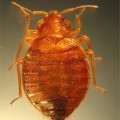
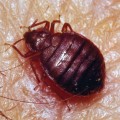
Bed bugs are small, elusive insects that have made a significant comeback in recent years, leading to widespread concern and confusion. Understanding bed bug facts is crucial for anyone facing an infestation or simply wanting to protect their home. These pests, scientifically known as Cimex lectularius, are nocturnal and primarily feed on human blood, making them a nuisance in homes, hotels, and other accommodations. Their ability to hide in tiny crevices and reproduce rapidly complicates eradication efforts. Despite their prevalence, many myths surround bed bugs that can hinder effective management.
For instance, a common misconception is that bed bugs are only found in dirty environments; however, they can thrive in clean spaces as well. This misunderstanding can lead to stigma and shame for those affected, preventing them from seeking help promptly. Additionally, some believe that bed bugs transmit diseases, but research indicates that while they can cause discomfort and anxiety, they do not carry pathogens harmful to humans. By debunking these bed bug myths and focusing on factual information, individuals can better equip themselves to identify and address infestations. Knowledge about their biology and behavior is essential for effective prevention and treatment strategies.
In the following sections, we will delve deeper into the best practices for cleaning and disinfecting after a bed bug infestation, ensuring you have the tools necessary to reclaim your space.
Identifying a Bed Bug Infestation
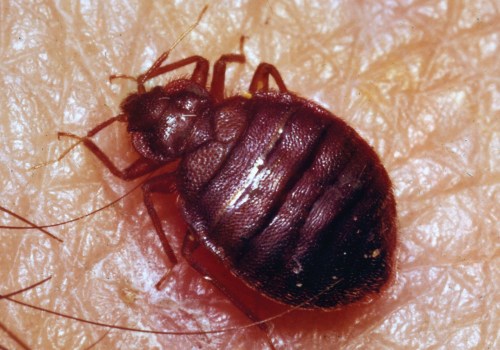
Recognizing a bed bug infestation is crucial for effective treatment and prevention. These pests are notoriously elusive, making early detection essential. Here are some key indicators to help you identify a potential bed bug problem:- Physical Evidence: Look for small, reddish-brown bugs about the size of an apple seed. Adult bed bugs are visible to the naked eye, while nymphs are smaller and lighter in color.
- Fecal Stains: Bed bugs leave behind dark spots of excrement, which can appear as tiny black dots on sheets, mattresses, or walls.
These stains may also smear when wiped.
- Eggs and Shells: Bed bug eggs are tiny, white, and oval-shaped, often found in clusters. You may also find shed skins from nymphs as they grow.
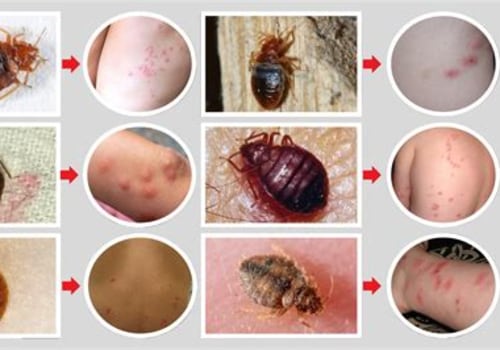
- Bite Marks: Many people experience itchy welts or rashes after being bitten by bed bugs. These bites often appear in a line or cluster on exposed skin.
- Unusual Odor: A strong, musty smell can indicate a significant infestation. This odor comes from the scent glands of bed bugs.
- Increased Activity at Night: Bed bugs are nocturnal and tend to feed at night.
If you notice increased activity during these hours, it may be a sign of an infestation.
Immediate Actions to Take After Discovery
Upon confirming a bed bug infestation, it is crucial to act swiftly to contain the problem and prevent further spread. Here are the immediate actions you should take:- Isolate Affected Areas: Start by identifying the areas where you found bed bugs.
Seal off these areas to prevent the bugs from migrating to other parts of your home. Close doors and use tape to seal any cracks or gaps.
- Remove Infested Items: Carefully remove any infested bedding, clothing, or furniture. Place these items in sealed plastic bags to avoid spreading the infestation during transport.
- Wash and Dry Fabrics: Wash all infested fabrics in hot water (at least 120°F) and dry them on high heat for at least 30 minutes. This will help kill any remaining bed bugs and their eggs.
- Vacuum Thoroughly: Use a vacuum cleaner with a strong suction to vacuum the affected areas, including mattresses, box springs, carpets, and furniture.
After vacuuming, immediately dispose of the vacuum bag or empty the canister outside your home.
- Inspect Surrounding Areas: Check adjacent rooms and common areas for signs of bed bugs. This includes looking under furniture, behind baseboards, and in electrical outlets.
Cleaning and Disinfecting Your Home
After a bed bug infestation, it is crucial to thoroughly clean and disinfect your home to prevent any remaining bugs from re-establishing themselves. Here are some effective methods to ensure your space is free from these pests.1.Cleaning Fabrics and Textiles
- Wash Bedding and Clothing: Start by removing all bedding, linens, and clothing from the affected areas.
Wash these items in hot water (at least 120°F) and dry them on the highest heat setting for at least 30 minutes.
- Steam Cleaning: Use a steam cleaner on mattresses, upholstered furniture, and carpets. The high temperature will kill bed bugs and their eggs on contact.
2.Disinfecting Surfaces
- Vacuuming: Vacuum all surfaces, including floors, baseboards, and furniture. Use a vacuum with a HEPA filter to trap any bed bugs or eggs. After vacuuming, immediately dispose of the vacuum bag or empty the canister outside your home.
- Wipe Down Hard Surfaces: Clean hard surfaces with a mixture of water and a mild detergent or a commercial disinfectant.
Pay special attention to areas where bed bugs may hide, such as cracks and crevices.
3.Treating Infested Items
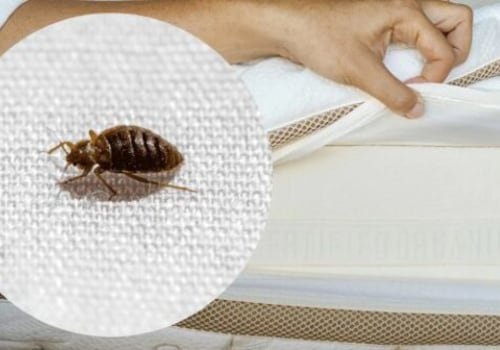
- Encasements: Consider using bed bug-proof encasements for mattresses and box springs. These encasements trap any remaining bugs inside and prevent new ones from entering.
- Discard Infested Items: If certain items are heavily infested and cannot be cleaned effectively, it may be best to dispose of them responsibly.
Using Heat Treatment for Bed Bug Removal
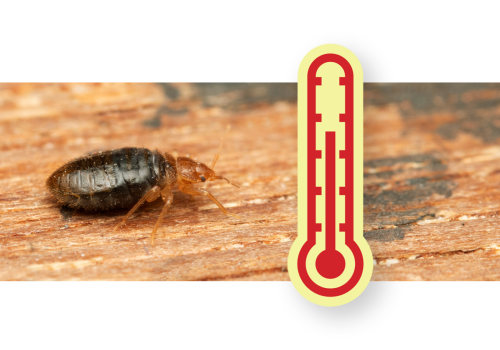
When dealing with a bed bug infestation, heat treatment is one of the most effective methods for eradicating these pests. This technique involves raising the temperature in infested areas to a level that is lethal to bed bugs, typically around 118°F (48°C) or higher.At this temperature, bed bugs and their eggs cannot survive, making heat treatment a powerful tool in your cleaning arsenal.
How Heat Kills Bed Bugs
- Bed bugs are highly sensitive to temperature changes. Exposure to heat disrupts their biological functions, leading to death.
- Heat penetrates into cracks and crevices where bed bugs hide, ensuring that even the most elusive pests are targeted.
- Unlike chemical treatments, heat does not leave behind harmful residues, making it a safer option for households with children and pets.
Implementing Heat Treatment Safely at Home
To effectively use heat for bed bug removal, consider the following methods:
- Professional Heat Treatment: Hiring a pest control professional who specializes in heat treatment can ensure that the process is done safely and effectively. They have specialized equipment that can raise temperatures uniformly throughout your home.
- Portable Heaters: If you prefer a DIY approach, you can use portable heaters designed for pest control. Place them in infested rooms and monitor the temperature closely to ensure it reaches lethal levels.
- Steam Cleaning: Using a steam cleaner on furniture, carpets, and bedding can also kill bed bugs on contact.
Ensure the steam reaches at least 130°F (54°C) for effective results.
Chemical Treatments: What You Need to Know
When dealing with a bed bug infestation, understanding chemical treatments is crucial for effective extermination. Various pesticides are available, each with its own application methods and safety precautions.Types of Chemical Treatments
- Insecticides: These are the most common chemical treatments used against bed bugs.
They can be categorized into two main types: contact insecticides, which kill bed bugs on contact, and residual insecticides, which remain effective for weeks or months after application.
- Desiccants: These chemicals work by drying out the bed bugs. They are less toxic to humans and pets but require careful application to ensure effectiveness.
- Biochemicals: Derived from natural sources, these treatments are often considered safer alternatives. They disrupt the bed bugs' life cycle and can be effective when used in conjunction with other methods.
Safety Precautions
When using chemical treatments, it is essential to follow safety guidelines to protect yourself and your family:
- Always read and follow the label instructions carefully.
- Wear protective gear such as gloves and masks during application.
- Avoid applying pesticides in areas where children or pets frequently play.
- Ensure proper ventilation in the treated area to minimize inhalation risks.
Application Methods
The effectiveness of chemical treatments largely depends on proper application:
- Spraying: This method is suitable for treating surfaces where bed bugs are likely to hide, such as mattresses, furniture, and baseboards.
- Dusting: Dust formulations can be applied in cracks and crevices where bed bugs may reside, providing long-lasting protection.
- Fogging: This method disperses a fine mist of pesticide throughout a room, reaching areas that may be difficult to treat directly.
Preventing Future Infestations
After successfully cleaning and disinfecting your home following a bed bug infestation, it’s crucial to implement effective strategies to prevent future occurrences.Here are some essential tips to keep your home bed bug free.
- Regular Inspections: Conduct routine checks of your living spaces, especially in areas where bed bugs are likely to hide, such as mattresses, box springs, and furniture seams. Early detection can prevent a larger infestation.
- Protective Covers: Invest in bed bug-proof mattress and pillow encasements. These covers create a barrier that prevents bed bugs from entering or escaping, making it easier to spot any potential issues.
- Declutter: Reduce clutter in your home, particularly in bedrooms and living areas. Bed bugs thrive in cluttered environments where they can easily hide.
Keeping your space organized minimizes their hiding spots.
- Careful Travel Practices: When traveling, inspect hotel rooms for signs of bed bugs. Keep your luggage off the floor and use luggage racks. Upon returning home, wash all clothing in hot water and dry on high heat to kill any potential hitchhikers.
- Seal Cracks and Crevices: Inspect your home for cracks in walls, baseboards, and furniture. Seal these gaps with caulk or other appropriate materials to eliminate potential entry points for bed bugs.
- Regular Cleaning: Maintain a consistent cleaning schedule.
Vacuuming regularly can help remove any stray bed bugs or eggs. Be sure to dispose of the vacuum bag immediately after use to prevent re-infestation.
Frequently Asked Questions About Bed Bugs and Cleaning
Cleaning and disinfecting after a bed bug infestation can be overwhelming, but addressing common questions can help simplify the process. Here are some frequently asked questions regarding bed bug cleaning:- How do I know if I have bed bugs?
Look for signs such as small reddish-brown spots on your bedding, shed skins, or live bugs.If you suspect an infestation, it’s crucial to act quickly.
- What should I do first after discovering bed bugs?
Begin by isolating infested items. Remove bedding and clothing, placing them in sealed plastic bags to prevent further spread. - Can I wash my bedding to get rid of bed bugs?
Yes! Wash all bedding and clothing in hot water (at least 120°F) and dry on high heat for at least 30 minutes. This will kill bed bugs at all life stages. - Is vacuuming effective against bed bugs?
Vacuuming can help remove bed bugs and their eggs from surfaces. Use a vacuum with a HEPA filter and dispose of the vacuum bag immediately after use. - What about furniture and carpets?
For furniture, consider using a steam cleaner or a specialized bed bug spray.Carpets may require professional cleaning to ensure all pests are eliminated.
- How often should I clean after an infestation?
Continue cleaning regularly for several weeks after treatment to ensure any remaining eggs or bugs are removed. Regular inspections are also recommended.
Conclusion: Key Takeaways on Cleaning After Bed Bugs
In conclusion, effectively cleaning and disinfecting after a bed bug infestation is crucial for ensuring that these pests do not return. Here are the key takeaways to remember:- Thorough Inspection: Begin by inspecting all areas of your home, especially where you sleep.
Look for signs of bed bugs, such as shed skins, eggs, and fecal spots.
- Heat Treatment: Utilize high temperatures to kill bed bugs and their eggs. Washing infested items in hot water and drying them on high heat is one of the most effective methods.
- Vacuuming: Regularly vacuum your home, focusing on carpets, upholstery, and cracks in furniture. Dispose of the vacuum bag immediately to prevent any potential re-infestation.
- Disinfecting Surfaces: Use EPA-approved insecticides and disinfectants on surfaces where bed bugs may have traveled. Ensure you follow the manufacturer's instructions for safe application.
- Preventive Measures: After cleaning, take steps to prevent future infestations.
This includes sealing cracks and crevices, using mattress encasements, and being cautious when bringing in second-hand items.