Bed bugs, scientifically known as Cimex lectularius, are small, nocturnal insects that feed on the blood of humans and animals. These pests are notorious for their ability to infiltrate homes and other living spaces, often going unnoticed until a significant infestation has occurred. Understanding bed bug facts is crucial for anyone looking to protect their home from these unwelcome guests. Their resilience and rapid reproduction rates make them particularly challenging to eradicate once they establish a presence. One of the most alarming aspects of bed bugs is their ability to spread quickly.
A single female bed bug can lay up to five eggs per day, leading to exponential growth in their population if left unchecked. This means that what may start as a small problem can escalate into a full-blown infestation in a matter of weeks. The speed at which bed bugs can travel from one location to another is also noteworthy; they can hitch rides on clothing, luggage, and even furniture, making it easy for them to spread from one room to another or even between different homes. Recognizing the signs of a bed bug infestation early is essential for effective management. Common indicators include small blood stains on sheets, dark spots of excrement, and the presence of shed skins.
By understanding their infestation patterns, homeowners can take proactive measures to prevent an outbreak. In the following sections, we will delve deeper into how fast bed bugs spread and what steps can be taken to control their population effectively.
What Are Bed Bugs?
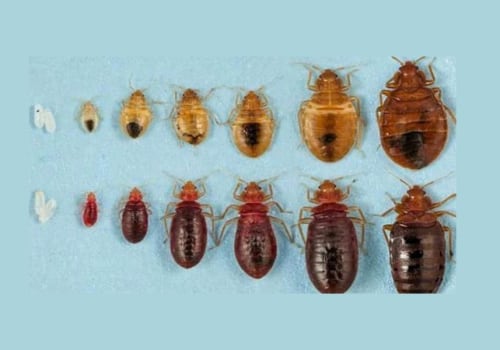
Bed bugs, scientifically known as Cimex lectularius, are small, wingless insects that feed on the blood of humans and animals. These pests are typically brown or reddish-brown in color and can grow up to 5-7 mm in length. Understanding their biology and behavior is essential for effective pest control and prevention.Life Cycle
- Eggs: Female bed bugs lay approximately 200-500 eggs in their lifetime, which hatch within 6 to 10 days under optimal conditions.
- Nymphs: After hatching, the young bed bugs, known as nymphs, undergo five molts before reaching adulthood.
Each molt requires a blood meal.
- Adults: Adult bed bugs can live for several months without feeding, making them particularly resilient in various environments.
Feeding Habits
Bed bugs are nocturnal feeders, primarily active at night when their hosts are asleep. They use specialized mouthparts to pierce the skin and draw blood. A single feeding session can last anywhere from 3 to 10 minutes. After feeding, they retreat to their hiding spots, which are often close to their food source.
Preferred Environments
These pests thrive in warm, dark environments where they can easily access hosts.
Common locations include:
- Mattresses and box springs
- Couches and upholstered furniture
- Cracks and crevices in walls or floors
- Luggage and personal belongings during travel
How Do Bed Bugs Spread?
Understanding how bed bugs spread is crucial for effective prevention and control. These pests are notorious for their ability to move quickly and establish new infestations in various environments.Human Activity
- Travel: One of the primary ways bed bugs spread is through travel. They often hitch a ride in luggage, clothing, or personal items.
Hotels, motels, and public transportation are common hotspots where travelers can unknowingly pick up these pests.
- Social Interactions: Bed bugs can also spread through social interactions. Visiting friends or family who have an infestation can lead to bringing these pests back home.
Infested Items
- Second-Hand Furniture: Purchasing used furniture or mattresses without proper inspection can introduce bed bugs into your home. These items may harbor eggs or adult bugs that can quickly multiply.
- Clothing and Linens: Bed bugs can cling to clothing and linens, making laundry a potential vector for transmission. Always wash and dry items on high heat after returning from a trip.
Natural Movement
- Proximity: Bed bugs are excellent at moving between adjacent rooms or apartments, especially in multi-unit dwellings.
They can crawl through tiny cracks and crevices in walls or floors.
- Nighttime Activity: These pests are primarily nocturnal, which allows them to move undetected while their hosts sleep. This behavior facilitates their spread as they seek out new hosts for feeding.
Factors Influencing the Speed of Infestation
Understanding the factors influencing the speed of bed bug infestation is crucial for effective management and prevention. Several key elements can significantly affect how quickly these pests can spread within a given environment.- Temperature: Bed bugs thrive in warm conditions, with optimal temperatures ranging from 70°F to 80°F (21°C to 27°C).
At these temperatures, their metabolism increases, leading to faster reproduction rates. Conversely, temperatures below 50°F (10°C) can slow their activity and reproduction.
- Humidity: High humidity levels can also accelerate the spread of bed bugs. These pests require moisture to survive, and environments with humidity levels above 50% are more conducive to their growth. Dry conditions, on the other hand, can hinder their survival and reproduction.
- Availability of Hosts: Bed bugs primarily feed on human blood, so the presence of potential hosts is a significant factor in their spread.
Areas with high human traffic, such as hotels, public transportation, and shared living spaces, provide ample opportunities for bed bugs to latch onto new hosts and disperse.
- Infestation Density: The initial population density of bed bugs can influence how quickly an infestation spreads. A higher concentration of bed bugs in one area can lead to quicker reproduction and dispersal as they seek new hiding spots and hosts.
Signs of a Bed Bug Infestation
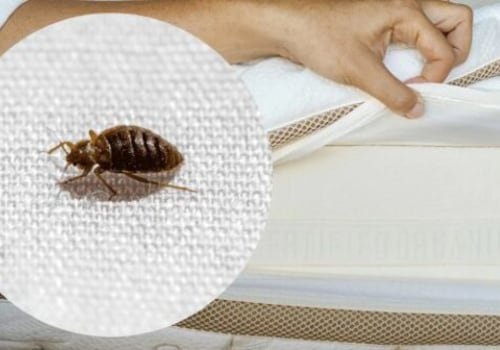
Identifying a bed bug infestation early is crucial for effective treatment and prevention of further spread. Here are some common signs that indicate the presence of these pests:- Visible Bed Bugs: Adult bed bugs are about the size of an apple seed, with a reddish-brown color.
They can often be found in the seams of mattresses, box springs, and bed frames.
- Bed Bug Bites: One of the most noticeable bed bug symptoms is the appearance of bites on your skin. These bites often appear in clusters or lines and can cause itching and irritation.
- Blood Stains: Small blood stains on your sheets or pillowcases may indicate that bed bugs have been feeding while you sleep.
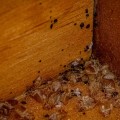
- Dark Spots: Look for tiny dark spots on bedding or furniture, which are actually bed bug excrement. These spots can be a telltale sign of an infestation.
- Eggs and Shells: Bed bug eggs are tiny, white, and oval-shaped. You may also find shed skins from nymphs as they grow into adults.
Bed bugs can reproduce rapidly, leading to a larger infestation if not addressed promptly. Regularly inspecting your sleeping areas and being aware of these signs of bed bugs can help you maintain a pest-free environment.
How Quickly Can Bed Bug Infestations Spread?
Understanding how quickly a bed bug infestation can spread is crucial for effective management and prevention. Bed bugs are notorious for their rapid reproduction rates, which can lead to significant infestations in a short period.Under optimal conditions, a single female bed bug can lay up to 5 eggs per day. This means that within just one week, a single bed bug can produce around 35 eggs.Given that these eggs hatch in about 7 to 10 days, the potential for exponential growth is alarming. In just a month, a small infestation can escalate into hundreds of bed bugs.
Infestation Timeline
- Week 1: A few bed bugs establish themselves in a new environment.
- Week 2: Eggs hatch, and the population begins to grow.
- Week 3: The first generation of nymphs matures and starts reproducing.
- Month 1: The infestation can reach several hundred bed bugs if left untreated.
Awareness of their reproduction rates and understanding the timeline of an infestation can help individuals take proactive measures to prevent and control these pests effectively.
Preventing Bed Bug Infestations
Preventing bed bug infestations is crucial for maintaining a healthy living environment. These pests can spread rapidly, making early prevention strategies essential. Here are some effective bed bug prevention tips to help you keep your home or business free from these unwanted guests.- Regular Inspections: Conduct routine checks of your sleeping areas, including mattresses, box springs, and bed frames. Look for signs of bed bugs such as small reddish-brown spots, shed skins, or live insects.
- Protective Covers: Use bed bug-proof encasements on mattresses and pillows.
These covers can trap any existing bugs and prevent new ones from entering.
- Declutter: Reduce clutter in your home, especially in bedrooms. Bed bugs thrive in cluttered environments where they can hide easily.
- Careful Travel Practices: When traveling, inspect hotel rooms for signs of bed bugs. Keep your luggage off the floor and use hard-sided luggage when possible. Upon returning home, wash all clothing in hot water and dry on high heat.
- Seal Cracks and Crevices: Inspect your home for cracks in walls, baseboards, and furniture.
Seal these openings to limit potential hiding spots for bed bugs.
- Regular Cleaning: Vacuum your home frequently, especially areas where you sleep or sit for long periods. Dispose of the vacuum bag immediately to prevent any trapped bugs from escaping.
FAQs About Bed Bug Infestations
When it comes to bed bug infestations, many people have questions that stem from common myths and misconceptions. Here are some frequently asked questions that can help clarify your understanding of these pests.What are the signs of a bed bug infestation?
Identifying a bed bug infestation early is crucial for effective management.Look for:
- Rusty or reddish stains on bed sheets or mattresses, which are caused by bed bugs being crushed.
- Dark spots (excrement) on bedding, walls, or furniture.
- Eggs and egg shells, which are tiny and often found in crevices.
- Live bed bugs, which are small, brownish insects that may be seen crawling.
Can bed bugs spread quickly?
Yes, bed bugs can spread rapidly. They reproduce quickly, with females laying up to 500 eggs in their lifetime. If left untreated, an infestation can grow exponentially within weeks. Bed bugs often travel through:- Luggage and clothing when traveling.
- Used furniture or mattresses.
- Shared walls in multi-unit buildings.
Are bed bugs only found in dirty places?
This is a common myth.Bed bugs do not discriminate based on cleanliness; they can be found in both clean and dirty environments. They are attracted to warmth and carbon dioxide, making any location where people sleep a potential target.
How can I prevent a bed bug infestation?
To minimize the risk of a bed bug infestation, consider the following preventive measures:- Inspect second-hand furniture before bringing it into your home.
- Use protective covers on mattresses and box springs.
- Avoid placing luggage on beds when traveling; use luggage racks instead.
- Regularly vacuum your home, especially around sleeping areas.
Conclusion: Key Takeaways on Bed Bug Infestations
In summary, understanding how quickly a bed bug infestation can spread is crucial for effective management and prevention. These resilient pests can multiply rapidly, with a single female capable of laying hundreds of eggs in her lifetime. This means that what may start as a small problem can escalate into a full-blown infestation in a matter of weeks.Key takeaways include:
- Rapid Reproduction: Bed bugs reproduce quickly, with a lifecycle that can be completed in as little as 4 to 6 weeks under optimal conditions.
- Mobility: They can easily hitch rides on clothing, luggage, and furniture, allowing them to spread from one location to another with alarming speed.
- Awareness is Essential: Regular inspections and being vigilant about potential signs of bed bugs can help catch an infestation early before it becomes unmanageable.
- Prevention Strategies: Implementing preventive measures such as encasing mattresses and being cautious when traveling can significantly reduce the risk of an infestation.
By staying informed about bed bug facts and maintaining a proactive approach, individuals can protect their homes and ensure that these pests do not take hold. Remember, the sooner you act, the easier it will be to eliminate these unwanted guests.