Understanding bed bug bites is crucial for anyone who suspects they may have encountered these pesky pests. Bed bugs are small, nocturnal insects that feed on the blood of humans and animals, often leaving behind telltale signs of their presence. One of the most common concerns for those who suspect a bed bug infestation is identifying the bites themselves. Knowing what bed bug bites look like can help you take swift action to address the problem. Typically, bed bug bite symptoms manifest as small, red, itchy welts on the skin.
These bites often appear in clusters or lines, which can be a distinguishing feature when compared to other insect bites. The bites may not be immediately noticeable, as they can take several days to develop after the initial feeding. This delayed reaction can lead to confusion, especially for those unfamiliar with the signs of a bed bug problem. In addition to their appearance, understanding the facts about bed bugs is essential for effective treatment and prevention. Bed bugs are resilient creatures that can survive in various environments, making them a challenge to eliminate once they invade your home.
By familiarizing yourself with their behavior and bite characteristics, you can better protect yourself and your living space from these unwelcome intruders.
What Are Bed Bugs?
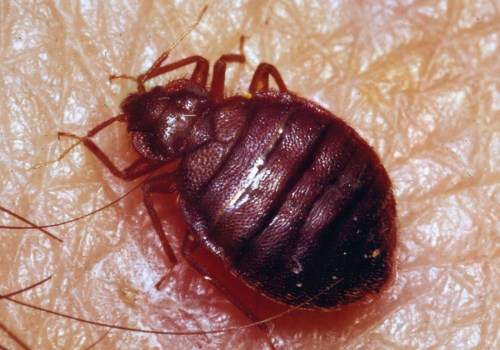
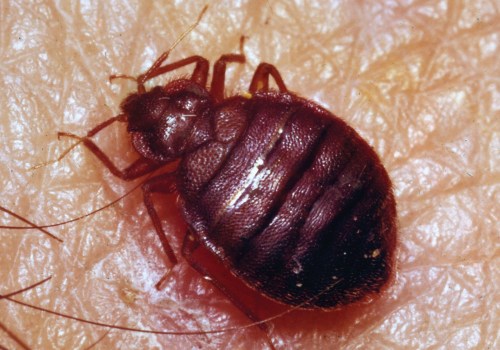
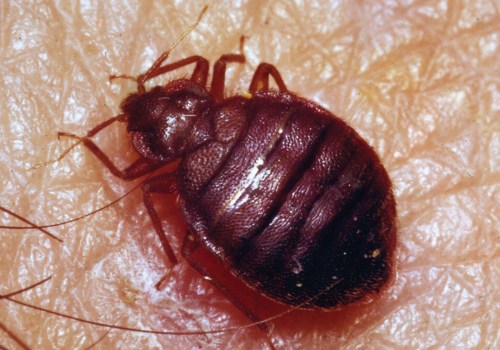
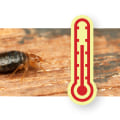
Bed bugs are small, wingless insects belonging to the family Cimicidae. They are primarily nocturnal and feed on the blood of humans and other warm-blooded animals. Adult bed bugs are typically about 5-7 mm in length, resembling an apple seed in shape and color, with a reddish-brown hue after feeding.Understanding the biology and behavior of bed bugs is essential for effective identification and management. Here are some key bed bug facts:- Life Cycle: Bed bugs undergo a series of stages from egg to adult.
A female can lay up to 500 eggs in her lifetime, which hatch within a week under optimal conditions.
- Feeding Habits: Bed bugs typically feed every 5-10 days, but they can survive for several months without a meal. They are attracted to carbon dioxide and body heat, making sleeping humans their primary target.
- Habitat: Bed bugs prefer to hide in cracks and crevices during the day, often residing in mattresses, bed frames, and furniture. Their flat bodies allow them to squeeze into tight spaces.
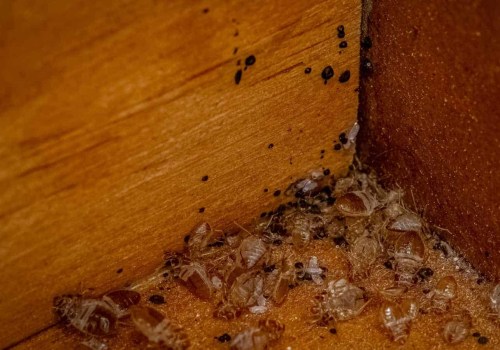
When they sense danger, they can quickly scatter to find shelter. This behavior makes them difficult to detect until an infestation is well-established.Recognizing the signs of bed bugs is crucial for early intervention. Look for small blood stains on sheets, dark spots of excrement, or the presence of shed skins. Understanding what bed bugs are and how they behave can help you take proactive measures against an infestation.
Identifying Bed Bug Bites
Identifying bed bug bites can be crucial for effective treatment and prevention.Bed bug bites typically appear as small, red, itchy welts on the skin. They are often mistaken for other insect bites, but there are distinct characteristics that can help you identify them.
Appearance of Bed Bug Bites:
- Size: Bed bug bites are usually small, about the size of a pinhead, and can become larger as they react with your skin.
- Color: Initially, they may appear as red spots, but they can also develop a darker red center.
- Shape: The bites often present in a linear or clustered pattern, which is a key indicator of bed bug activity.
- Itchiness: These bites are typically very itchy, leading to scratching that can cause further irritation or infection.
Comparison to Other Insect Bites:
To better understand how to identify bed bug bites, it helps to compare them with bites from other common insects:
- Mosquito Bites: Unlike bed bug bites, mosquito bites are usually more isolated and do not form in clusters.
- Flea Bites: Flea bites tend to be smaller and are often found on the lower legs and ankles, while bed bug bites can occur anywhere on the body.
- Spider Bites: Spider bites may have a more pronounced reaction and can sometimes lead to more severe symptoms than bed bug bites.
Symptoms of Bed Bug Bites
Understanding the symptoms of bed bug bites is crucial for identifying an infestation and seeking appropriate treatment.Bed bug bites typically manifest as small, red, itchy welts on the skin. These bites often appear in clusters or lines, as bed bugs tend to feed multiple times in one area.Common symptoms include:
- Itching: One of the most immediate reactions to bed bug bites is intense itching. This can lead to scratching, which may cause further irritation or even infection.
- Swelling: The area around the bite may become swollen and inflamed, creating a raised bump that can be uncomfortable.
- Redness: The skin surrounding the bite may appear red and irritated, indicating an inflammatory response.
While many people will only experience mild symptoms, others may develop more severe responses, including:
- Hives: Raised, itchy welts that can spread beyond the original bite site.
- Blistering: In rare cases, blisters may form at the site of the bites.
- Anaphylaxis: Although extremely rare, some individuals may experience a severe allergic reaction that requires immediate medical attention.
How to Differentiate Bed Bug Bites from Other Insect Bites
Identifying bed bug bites can be challenging, especially when they resemble bites from other insects. Understanding the differences between these bites is crucial for effective treatment and prevention.Here’s how to differentiate bed bug bites from other common insect bites.
Bed Bug Bites vs. Mosquito Bites
Both bed bug and mosquito bites can cause itching and discomfort, but there are key differences:- Appearance: Bed bug bites typically appear as small, red welts that may be clustered together or in a line, often resembling a rash. In contrast, mosquito bites are usually raised bumps that can be more isolated.
- Location: Bed bugs tend to bite exposed skin while you sleep, often targeting areas like the arms, neck, and face. Mosquitoes can bite any exposed skin, but they are more likely to bite during outdoor activities.
- Timing: Bed bugs are nocturnal and feed at night, while mosquitoes can bite at any time of day.
How to Tell Insect Bites Apart
When trying to identify insect bites, consider the following factors:- Itching: Both types of bites can be itchy, but bed bug bites may become increasingly itchy over time.
- Swelling: Bed bug bites may cause more pronounced swelling compared to mosquito bites.
- History of Exposure: If you have recently traveled or stayed in a location known for bed bugs, this increases the likelihood that your bites are from bed bugs.
Identifying Other Insect Bites
Other insect bites, such as those from fleas or spiders, have their own characteristics:- Flea Bites: Often appear in clusters and are usually found on the lower legs and ankles.
- Spider Bites: Can vary widely in appearance but may have a central puncture mark and can lead to more severe reactions.
What to Do If You Suspect Bed Bug Bites
If you suspect that you have been bitten by bed bugs, it’s crucial to take immediate action to alleviate discomfort and prevent further bites.Here are some steps you can follow:
1.Clean the Affected Area
Start by gently washing the bite area with soap and water. This helps to remove any irritants and reduces the risk of infection.2.Apply a Cold Compress
To minimize swelling and relieve itching, apply a cold compress or ice pack wrapped in a cloth to the affected area for 10-15 minutes. This can help soothe the skin and reduce inflammation.3.Use Over-the-Counter Treatments
Consider using over-the-counter (OTC) treatments such as:- Hydrocortisone cream: This can help reduce itching and inflammation.
- Antihistamines: Oral antihistamines like diphenhydramine can alleviate itching and help you sleep better.
4.Home Remedies for Bed Bug Bites
If you prefer natural remedies, here are some options:- Aloe vera gel: Known for its soothing properties, applying aloe vera can help calm irritated skin.
- Baking soda paste: Mix baking soda with water to create a paste and apply it to the bites. This can help reduce itching.
- Coconut oil: Its moisturizing properties may help soothe the skin and prevent further irritation.
5.Monitor for Infection
If you notice increased redness, swelling, or pus around the bites, it may indicate an infection. In such cases, consult a healthcare professional for appropriate treatment.6.Prevent Future Bites
Taking steps to eliminate bed bugs from your home is essential.Consider contacting a pest control professional if you suspect an infestation. Treating bed bug bites promptly not only alleviates discomfort but also helps prevent complications. Always stay vigilant and take preventive measures to protect yourself from future bites.
Preventing Bed Bug Infestations
Preventing bed bug infestations is crucial for maintaining a comfortable living environment. Here are some effective strategies to help you avoid these pesky pests:- Regular Inspections: Frequently check your home, especially in areas where bed bugs are likely to hide, such as mattresses, box springs, and furniture seams.
Look for small dark spots, which may indicate bed bug excrement.
- Travel Smart: When staying in hotels or motels, inspect the room before unpacking. Check the mattress seams and headboards for signs of bed bugs. Keep your luggage off the floor and use luggage racks whenever possible.
- Wash and Dry Bedding: Regularly wash your bedding and linens in hot water and dry them on high heat. This can kill any potential bed bugs or eggs that may have made their way into your home.
- Seal Cracks and Crevices: Bed bugs can hide in tiny spaces.
Seal any cracks in walls, baseboards, and furniture to reduce their hiding spots.
- Use Protective Covers: Invest in bed bug-proof mattress and pillow encasements. These covers can prevent bed bugs from infesting your bedding and make it easier to spot any that may be present.
Frequently Asked Questions About Bed Bug Bites
When it comes to bed bug bites, many people have questions about their appearance, symptoms, and what to do if bitten. Here are some of the most frequently asked questions:- What do bed bug bites look like?Bed bug bites typically appear as small, red, itchy welts on the skin.
They often occur in clusters or lines and may resemble mosquito bites. The bites can vary in size and may become more inflamed if scratched.
- How can I tell if I have been bitten by a bed bug?Look for bite patterns on your skin, especially in areas that are exposed while sleeping. Additionally, check for other signs of bed bugs, such as small blood stains on your sheets or dark spots of bed bug excrement.
- Are bed bug bites dangerous?While bed bug bites are not known to transmit diseases, they can cause significant discomfort and lead to secondary infections if scratched excessively. Some individuals may also experience allergic reactions.
- What should I do if I find bed bug bites?If you suspect you have been bitten by bed bugs, wash the affected area with soap and water to reduce the risk of infection.
Applying a topical antihistamine or hydrocortisone cream can help alleviate itching and swelling.
- How long do bed bug bites last?The duration of bed bug bites can vary from person to person. Generally, they may last anywhere from a few days to two weeks, depending on individual reactions and treatment.
Conclusion: Key Takeaways on Bed Bug Bites
In summary, understanding bed bug bites is crucial for effective identification and management. Recognizing the distinctive characteristics of these bites can help you take prompt action to mitigate their effects and prevent further infestations.Key Takeaways:- Appearance: Bed bug bites typically present as small, red, itchy welts that may appear in clusters or lines. They often resemble other insect bites, making identification challenging.
- Timing: Bites usually occur at night when bed bugs are most active, feeding on exposed skin.
- Symptoms: While some individuals may experience mild irritation, others can have severe allergic reactions requiring medical attention.
- Prevention: Regularly inspecting your sleeping area, using protective mattress encasements, and maintaining cleanliness can significantly reduce the risk of bed bug infestations.
If you notice signs of bed bugs or experience unusual bite reactions, it’s essential to consult a pest control professional for effective treatment options. Remember, early detection is key to managing bed bugs and minimizing their impact on your health and well-being.