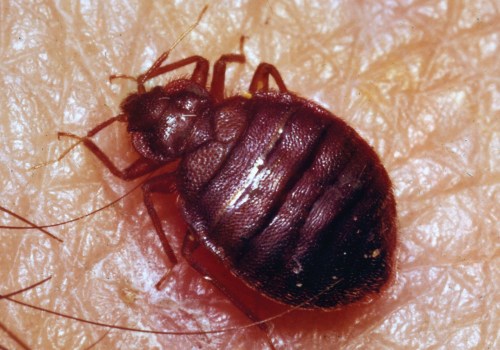
Bed bugs are small, elusive insects that have become a significant concern for travelers in recent years. These pests, scientifically known as Cimex lectularius, thrive in warm environments and are notorious for their ability to hitch a ride in luggage, clothing, and personal belongings. Understanding their habits is crucial for anyone who frequently stays in hotels or other accommodations, as it can help prevent an unwanted infestation. These nocturnal creatures are primarily attracted to the carbon dioxide we exhale and the warmth of our bodies. They typically hide in cracks and crevices during the day, emerging at night to feed on their unsuspecting hosts.
This behavior makes them particularly challenging to detect until an infestation has already taken hold. For travelers, the risk of bringing bed bugs home from a hotel stay is a real concern, as these pests can quickly multiply and spread throughout a living space. To mitigate the risk of encountering bed bugs while traveling, it’s essential to be aware of their presence and take proactive measures. Inspecting hotel rooms upon arrival, keeping luggage elevated off the floor, and washing clothes immediately after returning home are all effective strategies for prevention. By understanding bed bug facts and their habits, travelers can better protect themselves from these unwelcome guests and ensure a more pleasant travel experience.
What Are Bed Bugs?
Bed bugs, scientifically known as Cimex lectularius, are small, wingless insects that feed on the blood of humans and animals.Understanding their biology is essential for recognizing and preventing infestations.
Life Cycle
- Eggs: Female bed bugs lay up to 500 eggs in their lifetime, typically in clusters of 10 to 50. These eggs are tiny, about the size of a pinhead, and are often found in hidden areas.
- Nymphs: After about a week, the eggs hatch into nymphs, which are smaller versions of adult bed bugs. Nymphs undergo five molts before reaching maturity, requiring a blood meal at each stage.
- Adults: Adult bed bugs are approximately 5-7 mm long and can live for several months without feeding. They are reddish-brown in color and have a flat, oval shape.
Feeding Habits
Bed bugs are nocturnal feeders, primarily active at night when they emerge from their hiding spots to feed on their hosts.
They use specialized mouthparts to pierce the skin and draw blood. A single feeding can last anywhere from 3 to 10 minutes. After feeding, they return to their hiding places to digest their meal.
Common Hiding Spots
Bed bugs are adept at hiding in various locations, making them difficult to detect. Common hiding spots include:
- Mattresses and box springs
- Bed frames and headboards
- Couches and upholstered furniture
- Cracks and crevices in walls or floors
- Luggage and personal belongings
Regular inspections of sleeping areas and prompt action at the first sign of an infestation can help mitigate the risks associated with these pests.
How Do Bed Bugs Travel?
Bed bugs are notorious for their ability to travel and spread from one location to another, particularly in environments like hotels where many people come and go. Understanding how bed bugs spread is crucial for anyone concerned about bringing these pests home after a stay in a hotel.How Bed Bugs Hitch a Ride
- Luggage: One of the most common ways bed bugs travel is by hiding in luggage. When you place your suitcase on a bed or floor, it can easily become a temporary home for these pests.
- Clothing: Bed bugs can cling to clothing, especially if you sit on infested furniture or beds. They can easily transfer from your clothes to your luggage and then to your home.
- Personal Items: Items like backpacks, purses, and even electronic devices can harbor bed bugs.
These pests are adept at finding small crevices to hide in.
Transmission Risks in Hotels
Hotels are prime locations for bed bug transmission due to the high turnover of guests. A single infested room can lead to widespread issues if not properly managed. Here are some key points to consider:
- Room Changes: If you switch rooms during your stay, there’s a risk that bed bugs could follow you if they were present in your original room.
- Shared Spaces: Common areas such as lobbies and laundry rooms can also be hotspots for bed bug activity, as they can easily move between guests.
Taking preventive measures can help ensure that your travels remain enjoyable and pest-free.
Can You Bring Home Bed Bugs from a Hotel?
When staying at a hotel, many travelers wonder, can you bring home bed bugs from a hotel? The answer is yes, it is possible to inadvertently transport these pests back to your home. Bed bugs are notorious for their ability to hitch a ride on luggage, clothing, and personal items.According to the Centers for Disease Control and Prevention (CDC), bed bugs can be found in various places, including hotels, motels, and even public transportation. In fact, a survey conducted by the National Pest Management Association revealed that 68% of pest control professionals reported encountering bed bugs in hotels within the past year.Hotel Infestation Risk
- High Turnover Rates: Hotels experience a high volume of guests, which increases the likelihood of bed bug infestations.
- Shared Spaces: Common areas such as lobbies and laundry rooms can serve as breeding grounds for these pests.
- Inadequate Inspections: Some hotels may not conduct regular inspections or may overlook signs of infestation.
- Inspect Your Room: Before unpacking, check the mattress seams, headboards, and furniture for any signs of bed bugs.
- Keep Luggage Elevated: Use luggage racks instead of placing bags on the floor or bed.
- Wash Clothes Immediately: Upon returning home, wash your clothes in hot water to kill any potential bed bugs.
Signs of Bed Bugs in Hotels
When staying in a hotel, it’s crucial to be vigilant about bed bug signs. These pests can easily hitch a ride on your luggage and clothing, making it essential to inspect your surroundings before settling in. Here are some key bed bug signs to look for during your hotel room inspection:- Visible Bugs: Adult bed bugs are about the size of an apple seed and can be seen with the naked eye.
Look for them in the seams of mattresses, behind headboards, and in furniture crevices.
- Fecal Spots: Small, dark spots on sheets or mattress seams are a telltale sign of bed bugs. These spots are their droppings and can often be mistaken for ink stains.
- Blood Stains: If you notice small blood stains on your sheets or pillowcases, it could indicate that you’ve rolled over a bed bug during the night.
- Eggs and Shells: Bed bug eggs are tiny, white, and oval-shaped. You may also find shed skins from nymphs as they grow into adults.
- Inspect the Bed: Before unpacking, thoroughly check the mattress and box spring for any signs of bed bugs.
- Check Furniture: Look at the headboard, nightstands, and any upholstered furniture for signs of infestation.
- Avoid Placing Luggage on the Bed: Use luggage racks or keep your bags on hard surfaces away from the bed to prevent bed bugs from crawling into your belongings.
Preventing Bed Bug Infestations While Traveling
Traveling can be an exciting experience, but it also comes with the risk of bringing home bed bugs.To minimize this risk, it’s essential to take proactive measures before, during, and after your stay. Here are some practical tips to help you avoid a bed bug infestation while traveling.
- Pack Smart: Use hard-shell luggage instead of soft-sided bags, as they are less likely to harbor bed bugs. Consider using bed bug-proof luggage liners to create an additional barrier.
- Inspect Your Room: Upon arrival, conduct a thorough inspection of your hotel room. Check the mattress seams, headboard, and furniture for any signs of bed bugs, such as small dark spots or shed skins.
- Keep Luggage Elevated: Place your luggage on a luggage rack or a hard surface away from the bed and walls.
Avoid placing bags on the bed or floor where bed bugs may be hiding.
- Limit Contact with Fabrics: Minimize contact with upholstered furniture and curtains in your hotel room. If possible, sit on hard surfaces instead.
- Use Protective Covers: Consider using bed bug-proof encasements for your pillows and mattresses if you frequently travel. This can help protect you from potential infestations.
- Launder Your Clothes: Wash all clothing in hot water immediately upon returning home, even if they were not worn. Dry them on high heat for at least 30 minutes to kill any potential bed bugs.
- Inspect Your Belongings: Before bringing your luggage inside, inspect it thoroughly for any signs of bed bugs.
If you suspect an infestation, consider placing your luggage in a sealed plastic bag until you can treat it.
- Vacuum Regularly: Maintain a regular vacuuming schedule at home, especially in areas where luggage is stored. This can help catch any stray bed bugs before they become a larger problem.
What to Do If You Discover Bed Bugs at Home
Discovering bed bugs in your home can be alarming, but taking immediate action is crucial to prevent a full-blown infestation. Here’s what you should do if you suspect or find these pests.Immediate Actions
- Isolate the Infested Area: Start by identifying the rooms where you’ve seen signs of bed bugs.
Limit access to these areas to prevent them from spreading.
- Inspect Your Belongings: Carefully check your luggage, clothing, and any other items that may have come into contact with infested areas. Look for small reddish-brown bugs or their shed skins.
- Wash and Dry Fabrics: Wash all bedding, clothing, and other fabric items in hot water. Follow this with a high-heat drying cycle to kill any remaining bugs and eggs.
Long-Term Solutions
If you confirm the presence of bed bugs, consider the following long-term solutions:- Professional Pest Control: Hiring a licensed pest control service is often the most effective way to eliminate bed bugs. They have access to specialized treatments and can provide a thorough inspection.
- Diatomaceous Earth: This natural powder can be sprinkled in areas where bed bugs are suspected.
It works by dehydrating the insects upon contact.
- Encasements: Use bed bug-proof encasements on mattresses and box springs to trap any existing bugs and prevent new ones from entering.
Frequently Asked Questions About Bed Bugs and Travel
Traveling can be a delightful experience, but it also raises concerns about bed bugs. Here are some frequently asked questions that can help you navigate your travel plans with confidence.Can you bring home bed bugs from a hotel?
Yes, it is possible to bring home bed bugs from a hotel. These pests can easily hitch a ride on your luggage, clothing, or personal items.To minimize the risk, inspect your hotel room upon arrival and keep your belongings off the floor and away from the bed.
What should I do if I find bed bugs in my hotel room?
If you discover bed bugs, immediately notify the hotel management. They should provide you with a different room, ideally in another part of the building. Make sure to check your new room thoroughly before unpacking.How can I prevent bringing bed bugs home?
- Inspect your luggage: Before packing, check for any signs of bed bugs.
- Use protective covers: Consider using bed bug-proof luggage covers.
- Wash clothes: After returning home, wash all clothing in hot water and dry on high heat.
- Vacuum your luggage: Vacuum your suitcase before storing it away.
Are bed bugs harmful to my health?
While bed bugs are not known to transmit diseases, their bites can cause itching, discomfort, and allergic reactions in some individuals. If you experience severe reactions or signs of infection, consult a healthcare professional.What are the signs of a bed bug infestation?
- Bite marks: Red, itchy welts on your skin.
- Blood stains: Small blood spots on sheets or mattresses.
- Shed skins: Look for discarded exoskeletons in crevices.
- Fecal spots: Dark spots on bedding or furniture.
Conclusion: Staying Informed About Bed Bugs While Traveling
In conclusion, being aware of bed bug facts is essential for any traveler looking to avoid the hassle and discomfort of bringing these pests home from a hotel stay.As we have discussed, bed bugs are resilient creatures that can easily hitch a ride in your luggage, clothing, or personal items. Understanding their behavior and the signs of an infestation can significantly reduce your risk.To recap, here are some key points to remember:
- Inspect your hotel room: Before settling in, thoroughly check the mattress seams, headboards, and furniture for any signs of bed bugs.
- Keep your belongings secure: Use luggage racks instead of placing bags on the floor or bed. Consider using protective covers for your luggage.
- Be cautious with second-hand items: If you acquire items from hotels or thrift stores, inspect them carefully before bringing them into your home.
- Wash and dry clothes: Upon returning home, wash all clothing in hot water and dry on high heat to kill any potential bed bugs.
Remember, knowledge is your best defense against these pesky invaders!.