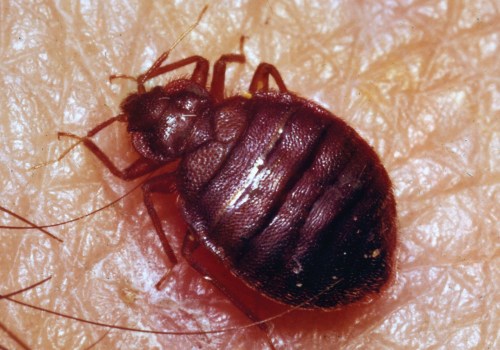
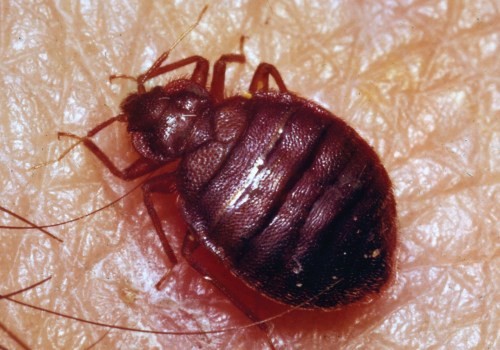
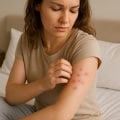
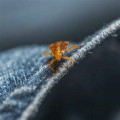
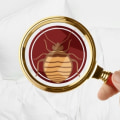
Bed bug bites can be a distressing experience for many individuals, often leading to confusion and discomfort. These bites are caused by Cimex lectularius, the common bed bug, which feeds on human blood, typically at night. Understanding what bed bug bites look like and the symptoms associated with them is crucial for effective treatment and prevention. Unlike mosquito bites, which can appear as isolated welts, bed bug bites often manifest in clusters or lines, resembling small red bumps that may become itchy and inflamed. The typical symptoms of bed bug bites include intense itching, redness, and swelling around the bite area.
Some individuals may also experience allergic reactions, leading to more severe symptoms such as blisters or hives. It’s important to note that not everyone reacts to bed bug bites in the same way; some may not show any visible signs at all. This variability can make it challenging to identify an infestation based solely on bite marks. In addition to the physical symptoms, the psychological impact of bed bug bites should not be overlooked. The anxiety and stress associated with an infestation can lead to sleep disturbances and a general sense of unease in one’s living environment.
Recognizing these signs early on is essential for addressing the problem effectively and restoring peace of mind.
Identifying Bed Bug Bites vs. Other Insect Bites
Identifying bed bug bites can be challenging, especially when they resemble bites from other insects. Understanding the differences is essential for effective treatment and prevention.Bed bug bites
typically appear as small, red, itchy welts on the skin. They often occur in clusters or lines, as bed bugs tend to bite multiple times in one area.In contrast, mosquito bites are usually raised, round, and can appear anywhere on the body. They may also have a more pronounced swelling compared to bed bug bites.
Key Differences Between Bed Bug Bites and Other Insect Bites
- Location: Bed bug bites are commonly found on exposed skin areas such as the arms, neck, and face, while mosquito bites can occur anywhere.
- Appearance: Bed bug bites are often flat and red with a darker center, whereas mosquito bites are typically raised and may have a white halo around them.
- Itching: Both types of bites can be itchy, but bed bug bites may cause more intense itching that lasts longer.
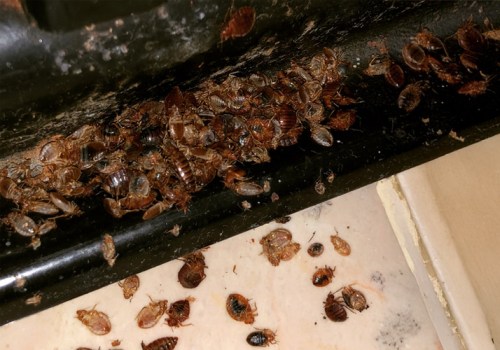
- Check for signs of bed bugs in your sleeping area, such as shed skins or dark spots (fecal matter).
- Monitor the timing of the bites; bed bugs are nocturnal and tend to bite while you sleep.
- If you notice a pattern of bites appearing after sleeping in a particular location, it may indicate a bed bug infestation.
Immediate Steps to Take After a Bed Bug Bite
Experiencing a bed bug bite can be distressing, but knowing the immediate steps to take can help alleviate discomfort and prevent further issues. Here’s what you should do right after you suspect you’ve been bitten by a bed bug:- Stay Calm: First and foremost, try to remain calm.
Bed bug bites are not known to transmit diseases, but they can cause significant discomfort.
- Clean the Affected Area: Gently wash the bite area with soap and water. This helps remove any irritants and reduces the risk of infection.
- Apply a Cold Compress: To reduce swelling and relieve itching, apply a cold compress or an ice pack wrapped in a cloth to the bite for about 10-15 minutes.
- Avoid Scratching: It’s crucial to resist the urge to scratch the bites, as this can lead to infection. If itching is severe, consider using an over-the-counter antihistamine.
- Use Topical Treatments: Over-the-counter creams containing hydrocortisone or calamine lotion can help soothe irritation. Apply as directed on the packaging.
- Monitor for Allergic Reactions: Keep an eye on the bites for any signs of an allergic reaction, such as increased swelling, redness, or difficulty breathing.
If these occur, seek medical attention immediately.
Home Remedies for Bed Bug Bites
Dealing with the discomfort of bed bug bites can be frustrating, but there are several home remedies that can help alleviate the itching and irritation. Here are some effective natural treatments for insect bites:- Cold Compress: Applying a cold compress or ice pack to the affected area can significantly reduce swelling and numb the itch. Wrap ice in a cloth and apply it for 10-15 minutes.
- Aloe Vera: Known for its soothing properties, aloe vera gel can help calm inflamed skin.
Apply fresh aloe vera directly to the bites to promote healing and reduce discomfort.
- Baking Soda Paste: Mix baking soda with a small amount of water to create a paste. Apply this paste to the bites and let it sit for about 10 minutes before rinsing off. This can help neutralize the pH of the skin and relieve itching.
- Honey: With its natural antibacterial properties, honey can also soothe irritated skin. Dab a small amount on the bites to help reduce inflammation and prevent infection.
- Oatmeal Bath: Taking an oatmeal bath can provide relief from itching.
Simply add colloidal oatmeal to warm bath water and soak for 15-20 minutes.
Over-the-Counter Treatments for Bed Bug Bites
When dealing with the discomfort of bed bug bites, several over-the-counter (OTC) treatments can provide relief. These products are readily available and can help alleviate itching, swelling, and irritation caused by these pesky insects.Top OTC Treatments for Bed Bug Bites
- Hydrocortisone Cream: This topical steroid cream is effective in reducing inflammation and itching.
Applying a small amount directly to the affected area can provide quick relief.
- Calamine Lotion: Known for its soothing properties, calamine lotion can help dry out the bites and relieve itching. It’s particularly useful for those who prefer a more natural remedy.
- Antihistamines: Oral antihistamines such as diphenhydramine (Benadryl) can help control allergic reactions to bed bug bites. They reduce itching and promote better sleep if taken before bedtime.
- Topical Analgesics: Creams containing ingredients like menthol or lidocaine can numb the area and provide temporary relief from pain and itching.
Choosing the Best Creams for Insect Bites
When selecting a cream for treating bed bug bites, look for products specifically labeled for insect bites. Ingredients like pramoxine, which is a topical anesthetic, can also be beneficial.Always read the label to ensure that the product is suitable for your skin type and does not contain any allergens.
Precautions When Using OTC Treatments
While OTC treatments are generally safe, it’s important to follow the instructions on the packaging. Overuse of topical steroids can lead to skin thinning, so limit application to the recommended frequency. If you experience severe reactions or if the bites become infected, consult a healthcare professional.In summary, utilizing over-the-counter treatments can significantly ease the discomfort associated with bed bug bites. By choosing the right products and using them correctly, you can effectively manage symptoms and promote healing.When to Seek Medical Attention
While most bed bug bites are harmless and can be treated at home, there are certain situations where seeking medical attention is crucial.Understanding when to see a doctor can help prevent complications and ensure proper care.
Signs That Indicate Medical Attention is Needed
- Severe Allergic Reactions: If you experience symptoms such as difficulty breathing, swelling of the face or throat, or rapid heartbeat, seek emergency medical help immediately.
- Infection: Look for signs of infection at the bite site, including increased redness, warmth, swelling, or pus. If you notice these symptoms, consult a healthcare professional.
- Persistent Symptoms: If the itching and discomfort from the bites do not improve after a few days or worsen over time, it may be time to see a doctor.
- Fever: The development of a fever following bed bug bites could indicate an infection or other complications that require medical evaluation.
A healthcare provider can offer guidance and treatment options tailored to your specific situation.
Preventing Future Bed Bug Bites
Preventing future bed bug bites requires a proactive approach to ensure that your home remains free from these pesky pests. Here are some effective bed bug prevention tips to help you avoid infestations:- Regular Inspections: Frequently check your home, especially in areas where bed bugs are likely to hide, such as mattresses, box springs, and furniture seams. Look for signs like small dark spots (fecal matter) or shed skins.
- Protective Covers: Use bed bug-proof encasements on your mattresses and pillows. These covers can trap any existing bugs and prevent new ones from entering.
- Declutter: Reduce clutter in your home, particularly in bedrooms.
The less clutter you have, the fewer hiding spots there are for bed bugs.
- Careful Travel Practices: When traveling, inspect hotel rooms for signs of bed bugs. Keep your luggage off the floor and use luggage racks. Upon returning home, wash all clothing in hot water and dry on high heat.
- Seal Cracks and Crevices: Inspect your home for cracks in walls, baseboards, and around windows. Seal these openings to limit potential entry points for bed bugs.
- Regular Cleaning: Vacuum your home regularly, focusing on areas where bed bugs may hide.
Dispose of the vacuum bag immediately after use to prevent any trapped bugs from escaping.
Frequently Asked Questions About Bed Bug Bites
When it comes to bed bug bites, many people have questions about their symptoms, treatment, and prevention. Here are some of the most frequently asked questions:What do bed bug bites look like?
Bed bug bites typically appear as small, red, itchy welts on the skin. They often occur in clusters or lines and may resemble other insect bites.The bites can take several days to show up after being bitten, making it difficult to identify the source immediately.
How can I relieve the itching from bed bug bites?
To alleviate itching and discomfort from bed bug bites, consider the following treatments:- Over-the-counter antihistamines: Medications like diphenhydramine can help reduce itching.
- Corticosteroid creams: Applying a topical cream can help decrease inflammation and itching.
- Cold compresses: Applying a cold pack to the affected area can provide immediate relief.
Are bed bug bites dangerous?
While bed bug bites are not known to transmit diseases, they can lead to secondary infections if scratched excessively. It's essential to keep the affected area clean and avoid scratching to minimize this risk.How can I prevent bed bug bites?
To prevent future bites, consider these tips:- Inspect your sleeping area: Regularly check for signs of bed bugs, such as shed skins or dark spots on bedding.
- Use protective covers: Encase mattresses and pillows in bed bug-proof covers.
- Avoid second-hand furniture: Be cautious when bringing used items into your home without proper inspection.