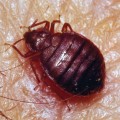
Bed bugs are small, elusive insects that have become a significant concern for households across the United States. These pests, scientifically known as Cimex lectularius, thrive in warm environments and are notorious for their ability to hide in the tiniest of crevices. Understanding bed bug facts is crucial for effective prevention and control, especially when it comes to their visibility. Many people wonder, can you see bed bugs with the naked eye? The answer is both straightforward and complex. Adult bed bugs are typically about the size of an apple seed, measuring approximately 5 to 7 millimeters in length.
This size makes them visible to the naked eye, but their flattened bodies and nocturnal habits allow them to remain hidden during the day. They often take refuge in mattress seams, behind headboards, and within furniture, making detection challenging. As we delve deeper into this topic, we will explore not only their visibility but also the implications of a bed bug infestation in your home. Recognizing the signs of bed bugs is essential for early intervention. Their bites can cause discomfort and allergic reactions, leading to sleepless nights and anxiety.
By understanding bed bug visibility and behavior, homeowners can take proactive measures to safeguard their living spaces. In this article, we will uncover critical insights into these pests, helping you identify them before they become a larger problem.
What Are Bed Bugs?
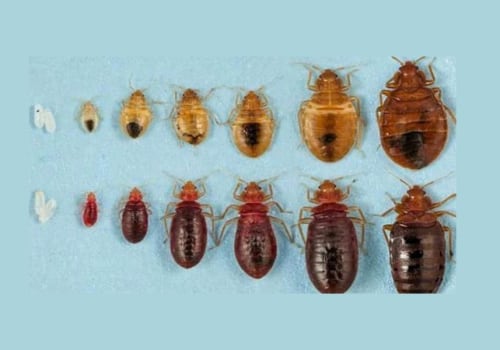
Bed bugs are small, parasitic insects that feed on the blood of humans and animals. They belong to the family Cimicidae and are scientifically known as Cimex lectularius. Adult bed bugs are typically about the size of an apple seed, measuring approximately 4 to 5 mm in length.Their bodies are flat, oval-shaped, and reddish-brown in color, which makes them difficult to spot against various surfaces.Understanding the biology of bed bugs is essential for effective identification and control. These insects have a unique life cycle that consists of several stages: egg, nymph, and adult. A female bed bug can lay up to 500 eggs in her lifetime, with each egg being about the size of a pinhead. The eggs hatch within a week, and the nymphs undergo five molts before reaching adulthood.
This life cycle can be completed in as little as four to five weeks under optimal conditions, allowing bed bug populations to grow rapidly.Bed bugs are primarily nocturnal creatures, preferring to hide in cracks and crevices during the day. Common hiding spots include mattress seams, bed frames, and furniture. They are attracted to warmth and carbon dioxide emitted by sleeping hosts, making beds their preferred location for feeding.
- Appearance: Adult bed bugs are flat and oval-shaped with a reddish-brown color.
- Life Cycle: Bed bugs go through three main stages: egg, nymph, and adult.
- Feeding Habits: They feed on blood at night while their hosts sleep.
Can You See Bed Bugs with the Naked Eye?
When it comes to bed bug visibility, many people wonder, can you see bed bugs with the naked eye? The answer is yes, but with some caveats.Adult bed bugs are typically about the size of an apple seed, measuring approximately 4 to 5 millimeters in length. This size makes them visible to the naked eye, especially when they are fully grown and not hiding in their usual crevices.However, their small size and flat bodies allow them to easily hide in tight spaces, such as seams of mattresses, cracks in furniture, and even behind wallpaper. This means that while you can see them if they are out in the open, spotting them can be quite challenging.
Conditions for Visibility
To increase your chances of seeing bed bugs, consider the following:- Lighting: Good lighting is essential. Bed bugs are easier to spot in well-lit areas.
- Time of Day: Bed bugs are primarily nocturnal.
They tend to come out at night when it’s dark, making daytime inspections less effective.
- Inspection Techniques: Use a flashlight to inspect common hiding spots. Look for small dark spots (fecal matter) or shed skins that indicate their presence.
Identifying Bed Bugs: Signs and Symptoms
Identifying bed bugs can be challenging, but knowing the signs of a bed bug infestation is crucial for early detection and effective treatment.These pests are small, nocturnal insects that feed on human blood, and their presence can lead to discomfort and anxiety.
Physical Evidence of Bed Bugs
- Live Bed Bugs: Adult bed bugs are about the size of an apple seed, measuring approximately 5-7 mm in length. They are reddish-brown and have a flat, oval shape.
- Eggs and Shells: Bed bug eggs are tiny (about 1 mm), white, and often found in clusters. You may also find shed skins from nymphs as they grow.
- Fecal Stains: Dark spots on bedding or furniture can indicate bed bug droppings. These stains may appear as small black dots.
- Blood Stains: You might notice small blood stains on sheets or pillowcases, which occur when bed bugs are crushed after feeding.
Signs of Bed Bug Bites
If you suspect a bed bug infestation, pay attention to any bites you may have.
Bed bug bites typically appear as small, red welts that can be itchy and uncomfortable. They often occur in a line or cluster on exposed skin areas, such as the arms, neck, or face. Some individuals may not react to bites at all, while others may experience severe allergic reactions.
What to Do If You Suspect Bed Bugs
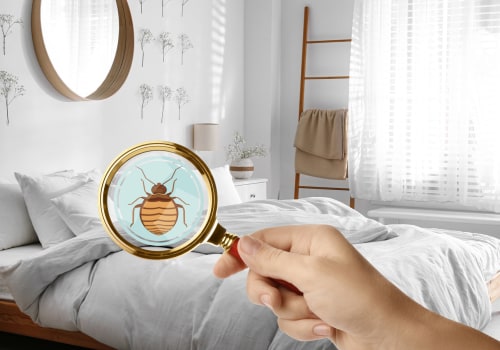
If you notice any of these signs or symptoms, it’s essential to act quickly. Inspect your sleeping area thoroughly, including mattresses, box springs, and furniture.
If you confirm the presence of bed bugs, consider contacting a pest control professional for effective treatment options.Understanding how to identify bed bugs is the first step in managing an infestation. By being vigilant and aware of the signs and symptoms, you can protect yourself and your home from these unwelcome pests.
Common Misconceptions About Bed Bugs
When it comes to bed bugs, there are numerous myths and misconceptions that can lead to unnecessary fear and confusion. Understanding the facts is crucial for effective prevention and treatment.Myth 1: Bed Bugs Only Infest Dirty Homes One of the most common misconceptions is that bed bugs are attracted only to dirty environments. In reality, these pests can thrive in any setting, regardless of cleanliness.They are drawn to warmth and carbon dioxide, which means they can infest even the most pristine homes.Myth 2: You Can’t See Bed Bugs with the Naked Eye Another prevalent myth is that bed bugs are too small to be seen without a microscope. In fact, adult bed bugs are about the size of an apple seed, making them visible to the naked eye. Their reddish-brown color and flat bodies make them easier to spot, especially in areas where they hide.Myth 3: Bed Bugs Only Bite at Night While it’s true that bed bugs are primarily nocturnal feeders, they can bite at any time if they are hungry and have access to a host. This means that even during the day, if you’re resting or sitting still, you could be at risk of being bitten.
- Fact: Bed bugs can live for several months without feeding.
- Fact: They can travel between rooms and even buildings through luggage, clothing, and furniture.
Knowledge is key in combating these resilient pests and ensuring a peaceful living environment.
Preventing Bed Bug Infestations
Preventing bed bug infestations is crucial for maintaining a comfortable and healthy living environment. Here are some effective strategies to help you avoid these pesky pests:- Regular Inspections: Frequently check your home, especially in areas where bed bugs are likely to hide, such as mattresses, box springs, and furniture seams. Look for small reddish-brown spots, which may indicate bed bug droppings.
- Travel Smart: When staying in hotels or other accommodations, inspect the room before unpacking. Check the mattress and headboard for signs of bed bugs.
Keep your luggage elevated on racks rather than on the floor.
- Use Protective Covers: Encase your mattresses and pillows in bed bug-proof covers. These specially designed encasements can prevent bed bugs from entering or escaping, making it easier to spot any potential infestations.
- Declutter Regularly: Reducing clutter in your home minimizes hiding spots for bed bugs. Keep items stored in sealed containers and avoid accumulating unnecessary belongings.
- Wash and Dry Bedding: Regularly wash your bedding, linens, and clothing in hot water and dry them on high heat. This can kill any bed bugs or eggs that may be present.
- Seal Cracks and Crevices: Inspect your home for cracks in walls, baseboards, and furniture.
Seal these openings to limit potential entry points for bed bugs.
What to Do If You Suspect a Bed Bug Infestation
If you suspect a bed bug infestation, it’s crucial to act quickly to prevent the problem from escalating. Here are the steps you should take:- Confirm the Infestation: Look for signs of bed bugs, such as small reddish-brown bugs, shed skins, or dark spots of excrement on your mattress and bedding. Check seams, folds, and crevices where they might hide.
- Isolate Affected Areas: If you find evidence of bed bugs, immediately isolate the affected area.
Remove bedding and clothing and place them in sealed plastic bags to prevent spreading.
- Clean Thoroughly: Wash all bedding, linens, and clothing in hot water and dry them on high heat. Vacuum your mattress, bed frame, and surrounding areas thoroughly. Dispose of the vacuum bag immediately.
- Consider Treatment Options: There are several methods to treat bed bugs:
- Pesticides: Use EPA-registered insecticides specifically labeled for bed bugs. Follow the instructions carefully.
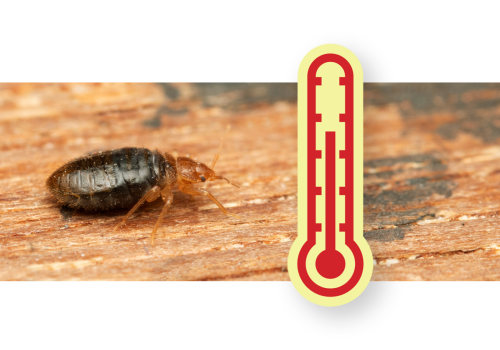
- Heat Treatment: Bed bugs cannot survive high temperatures.
Consider using a professional heat treatment service that raises the temperature in your home to eliminate them.
- Diatomaceous Earth: This natural powder can be sprinkled in areas where bed bugs are suspected. It dehydrates and kills them upon contact.
- Monitor the Situation: After treatment, continue to monitor for signs of bed bugs. Use bed bug interceptors under your bed legs to catch any that may still be present.
- When to Call Professionals: If the infestation persists despite your efforts or if you feel overwhelmed, it’s time to call a pest control professional. They have access to more effective treatments and can provide a comprehensive plan for eradication.
By following these steps, you can significantly reduce the chances of a full-blown infestation.
Frequently Asked Questions About Bed Bugs
When it comes to bed bugs, many people have questions that can help them better understand these pests and how to deal with them. Here are some of the most frequently asked questions:Can you see bed bugs with the naked eye?
Yes, you can see bed bugs with the naked eye. Adult bed bugs are typically about the size of an apple seed, measuring approximately 5-7 mm in length. They have a flat, oval shape and are reddish-brown in color, making them relatively easy to spot if you know where to look.Do bed bugs fly?
No, bed bugs do not fly.They are wingless insects that rely on crawling to move from one location to another. This is one reason why they are often found in close proximity to their food source—humans. They can travel through walls, floors, and furniture, but they do not have the ability to fly.
What attracts bed bugs?
- Body heat: Bed bugs are attracted to the warmth emitted by humans and animals.
- Carbon dioxide: They are drawn to the carbon dioxide we exhale while sleeping.
- Blood: As parasites, bed bugs feed on blood, making humans their primary target.
How can I tell if I have a bed bug infestation?
Signs of a bed bug infestation include:- Bite marks: Small, red, itchy welts on your skin.
- Blood stains: Tiny spots of blood on your sheets or mattress.
- Shed skins: Molted exoskeletons found near sleeping areas.
- Fecal spots: Dark spots that may appear on bedding or furniture.
Conclusion: Key Takeaways on Bed Bugs and Their Visibility
In conclusion, understanding the visibility of bed bugs is crucial for effective prevention and control. These pests, while small, are indeed visible to the naked eye, typically measuring between 1/4 to 1/5 of an inch in length.Their reddish-brown color and flat, oval shape make them identifiable, especially after a blood meal when they appear more swollen and darker.Here are some key takeaways regarding bed bug visibility:
- Size and Appearance: Adult bed bugs can be seen without magnification, but their size and color can make them blend into their surroundings.
- Life Cycle Stages: While adults are visible, nymphs (young bed bugs) are much smaller and can be harder to spot. Eggs are even tinier and often go unnoticed.
- Signs of Infestation: Look for shed skins, fecal spots, or blood stains on bedding as indicators of a potential infestation.
- Awareness is Key: Regular inspections of sleeping areas and luggage can help catch infestations early before they become severe.
Remember, vigilance is your best defense against these resilient pests.