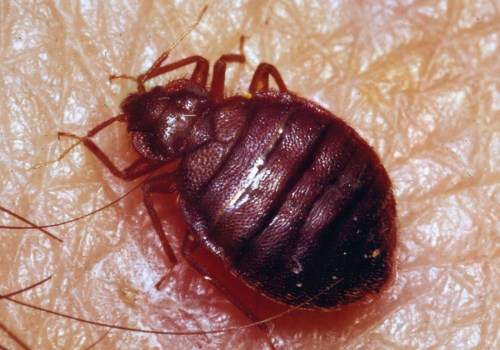
Bed bugs are small, elusive insects that have become a significant concern for homeowners and renters alike. These pests, scientifically known as Cimex lectularius, are notorious for their ability to thrive in various environments, making them a common nuisance in both residential and commercial settings. Understanding bed bug habitats is crucial for effective prevention and control, especially when it comes to their potential presence in furniture. Typically, bed bugs are found in areas where people sleep or rest, such as beds, couches, and even luggage. However, their adaptability allows them to inhabit a range of locations beyond just mattresses and box springs.
This raises an important question: can bed bugs live in furniture? The answer is a resounding yes. Furniture pieces like sofas, chairs, and even wooden furniture can provide ideal hiding spots for these pests. In addition to being difficult to spot due to their small size—about the size of an apple seed—bed bugs can easily travel from one location to another via infested furniture. This makes it essential for individuals to be vigilant about inspecting not only their sleeping areas but also any upholstered or wooden furniture that may harbor these unwanted guests. By understanding the habitats of bed bugs, we can better equip ourselves with the knowledge needed to prevent infestations and protect our living spaces.
What Are Bed Bugs? Key Facts You Should Know
Bed bugs are small, parasitic insects that feed on the blood of humans and animals.Understanding their characteristics is crucial for effective identification and management. Here are some key facts about bed bugs:
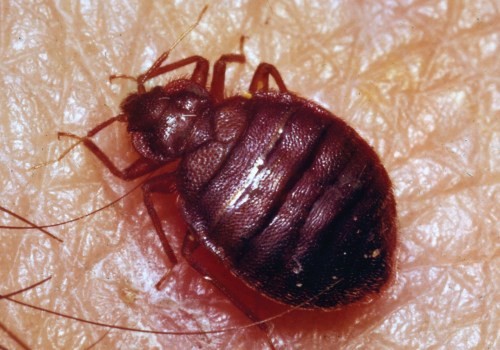
- Appearance: Adult bed bugs are approximately 1/4 inch long, with a flat, oval shape and a reddish-brown color. They resemble apple seeds and can be easily mistaken for other pests.
- Behavior: Bed bugs are primarily nocturnal, meaning they are most active at night. They tend to hide in cracks and crevices during the day, making them difficult to spot.
- Life Cycle: The life cycle of a bed bug consists of five nymph stages before reaching adulthood.
They can reproduce quickly, with females laying up to 500 eggs in their lifetime.
- Dark spots: These are often fecal stains left behind after feeding.
- Eggs and shed skins: These can be found in areas where bed bugs hide.
- Bites: Bed bug bites typically appear as small, red welts on the skin, often in clusters or lines.
How Bed Bugs Infest Furniture
Understanding how bed bugs infest furniture is crucial for effective prevention and control. These pests are notorious for their ability to hide and thrive in various environments, particularly in furniture where they can easily access human hosts.Bed bug infestation
typically begins when these insects hitch a ride on personal belongings.They can enter your home through:
- Used furniture: Purchasing second-hand items without proper inspection can introduce bed bugs into your living space.
- Luggage: Traveling can expose you to bed bugs, which may cling to your bags and then transfer to your furniture at home.
- Clothing: Similar to luggage, clothes can carry bed bugs from infested areas.
- Cushions and seams: The soft fabric of sofas and chairs provides an ideal environment for bed bugs to hide.
- Wooden frames: Cracks and crevices in wooden furniture can serve as perfect harbors for these pests.
- Drawers and cabinets: Bed bugs can easily crawl into drawers, making them a common site for infestation.
- Warmth: Bed bugs are attracted to warmth, which is why they often settle in areas where people rest or sleep.
- Darkness: They prefer dark environments, making the undersides of furniture ideal hiding spots.
- Lack of disturbance: Furniture that is rarely moved or cleaned provides a stable environment for bed bugs to thrive.
Signs of Bed Bugs in Furniture
Detecting bed bugs in furniture is essential for preventing a larger infestation. Here are some signs of bed bugs that you should look for:- Bites: One of the most common indicators of bed bugs is the presence of bites on your skin.
These bites often appear in clusters or lines and can be itchy and red.
- Fecal Spots: Bed bugs leave behind small, dark fecal spots that resemble tiny ink stains. These spots can often be found on mattresses, upholstery, and even walls near infested furniture.
- Shed Skins: As bed bugs grow, they molt and shed their skins. Finding these discarded exoskeletons in or around your furniture is a clear sign of their presence.
- Blood Stains: If you notice small blood stains on your sheets or furniture, it may be a sign that you have inadvertently crushed a bed bug after it has fed.
- Musty Odor: A strong, musty smell can indicate a significant infestation. This odor comes from the scent glands of bed bugs and can be particularly noticeable in heavily infested areas.
Early detection can prevent the problem from escalating and make eradication much easier. Regularly inspecting your furniture, especially in seams and crevices, can help you catch these pests before they become a larger issue.
Common Types of Furniture That Attract Bed Bugs
When it comes to understanding bed bug facts, knowing which types of furniture are more susceptible to these pests is crucial. Bed bugs are notorious for their ability to hide in various places, but certain furniture types serve as prime real estate for these unwanted guests.- Beds: As the most common hotspot, beds provide an ideal environment for bed bugs. They often hide in the seams of mattresses, box springs, and bed frames.
Regular inspections of these areas are essential.
- Couches and Sofas: Upholstered furniture like couches and sofas can also attract bed bugs. They tend to hide in the cushions, under the fabric, and within the crevices. If you notice any signs of infestation, such as small dark spots or shed skins, it’s time to take action.
- Chairs: Similar to couches, chairs—especially those with fabric upholstery—can harbor bed bugs. Pay close attention to recliners and dining chairs, as they often have hidden spaces where bed bugs can thrive.
- Dressers and Nightstands: These pieces of furniture can also be breeding grounds for bed bugs.
They may hide in drawers or behind the furniture itself. Regularly check these areas for any signs of infestation.
- Other Upholstered Items: Items like ottomans, bean bags, and even decorative pillows can attract bed bugs. Their soft surfaces provide a comfortable hiding spot for these pests.
Preventing Bed Bug Infestations in Furniture
Preventing bed bug infestations in your furniture is crucial for maintaining a healthy and comfortable living environment.Here are some effective strategies to keep your furniture bed bug free.
- Regular Inspections: Frequently check your furniture, especially in seams, cracks, and crevices where bed bugs like to hide. Look for signs such as tiny dark spots (fecal matter) or shed skins.
- Use Protective Covers: Invest in bed bug-proof encasements for mattresses and box springs. These covers can prevent bed bugs from entering or escaping, making it easier to spot any potential infestations.
- Maintain Cleanliness: Regularly vacuum your furniture, including cushions and under the seats. Dispose of the vacuum bag immediately after use to prevent any trapped bugs from escaping.
- Avoid Second-Hand Furniture: If you must buy used furniture, inspect it thoroughly before bringing it into your home.
Consider treating it with heat or a professional pest control service to eliminate any hidden pests.
- Seal Cracks and Crevices: Use caulk to seal any gaps in walls, baseboards, and around electrical outlets where bed bugs might enter or hide.
- Be Cautious While Traveling: When staying in hotels, inspect the bedding and furniture for signs of bed bugs. Keep your luggage off the floor and use hard-sided suitcases that can be easily cleaned.
How to Treat Furniture Infested with Bed Bugs
Dealing with a bed bug infestation in your furniture can be daunting, but there are effective methods to treat and eliminate these pests. Here are some strategies to consider:DIY Bed Bug Treatment Methods
If you prefer a hands-on approach, several DIY bed bug treatment options can help:- Vacuuming: Start by thoroughly vacuuming your furniture, paying special attention to seams, crevices, and under cushions.
Dispose of the vacuum bag immediately to prevent re-infestation.
- Steam Cleaning: High temperatures can kill bed bugs at all life stages. Use a steam cleaner on your furniture, ensuring the steam reaches at least 130°F.
- Encase Mattresses and Cushions: Use bed bug-proof encasements to trap any existing bugs and prevent new ones from entering.
- Diatomaceous Earth: This natural powder can be sprinkled on and around your furniture. It dehydrates bed bugs upon contact, effectively reducing their population.
Professional Extermination Options
If the infestation is severe or DIY methods do not yield results, it may be time to call in the professionals. Here are some common bed bug removal methods used by exterminators:- Chemical Treatments: Exterminators often use insecticides specifically designed for bed bugs.
These treatments can penetrate furniture materials and eliminate pests effectively.
- Heat Treatments: Professionals may use specialized equipment to raise the temperature of your furniture to levels that are lethal to bed bugs.
- Cryonite Treatment: This method involves freezing bed bugs using carbon dioxide snow, which kills them instantly.
Frequently Asked Questions About Bed Bugs and Furniture
When it comes to understanding bed bugs and their relationship with furniture, several common questions arise. Here are some frequently asked questions that can help clarify these concerns.Do bed bugs live in wood furniture?
Yes, bed bugs can inhabit wood furniture. They are known to hide in the crevices and joints of wooden items, making it a suitable environment for them.The rough surfaces and small spaces in wood provide excellent hiding spots for these pests. If you suspect an infestation, it’s crucial to inspect all types of furniture, especially wooden pieces, for signs of bed bugs.
Can you see bed bugs during the day?
While bed bugs are primarily nocturnal and tend to come out at night to feed, they can sometimes be seen during the day, especially if their population is large or if they are disturbed. They may also venture out in search of a new hiding spot or if they are forced out of their current location due to cleaning or treatment efforts. If you notice any signs of bed bugs during the day, such as live bugs or shed skins, it’s essential to take immediate action.What are some signs of bed bugs in furniture?
- Dark spots: These are often fecal stains left behind by bed bugs.
- Shed skins: As bed bugs grow, they molt and leave behind their exoskeletons.
- Live bugs: Adult bed bugs are about the size of an apple seed and can be seen with the naked eye.
- Eggs: Tiny white eggs can be found in hidden areas of furniture.
Conclusion: Key Takeaways on Bed Bugs and Furniture Safety
In conclusion, understanding the relationship between bed bugs and furniture is crucial for effective prevention and management.Here are the key takeaways:
- Bed Bugs Can Live in Various Furniture: These pests are not limited to mattresses and bed frames; they can also inhabit sofas, chairs, and even wooden furniture. Their ability to hide in small crevices makes them particularly challenging to detect.
- Signs of Infestation: Look for telltale signs such as small reddish-brown spots on upholstery, shed skins, and the presence of live bugs. Regular inspections can help catch infestations early.
- Prevention is Key: To minimize the risk of bringing bed bugs into your home, be cautious when purchasing second-hand furniture. Always inspect items thoroughly before bringing them inside.
- Professional Help:Professional Help: If you suspect an infestation, it’s advisable to seek professional pest control services.
They have the expertise and tools necessary to effectively eliminate bed bugs from your furniture.