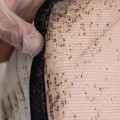
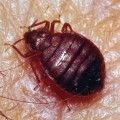
Bed bugs are small, elusive insects that have become a significant concern for travelers and homeowners alike. Understanding bed bug facts is essential for anyone who wants to avoid bringing these unwanted pests into their living spaces. These tiny creatures, scientifically known as Cimex lectularius, feed on the blood of humans and animals, making them a nuisance that can lead to discomfort and anxiety. One of the most alarming aspects of bed bugs is their ability to travel. They are expert hitchhikers, often clinging to luggage, clothing, and personal belongings.
This means that even a brief stay in an infested hotel or a visit to a friend's house can result in an unintentional ride home for these pests. Understanding how bed bugs travel is crucial for prevention; they can easily move from one location to another without detection, making it vital for travelers to be vigilant. In addition to their travel habits, it's important to recognize what bed bugs look like and how they behave. Adult bed bugs are about the size of an apple seed, with a flat, reddish-brown body. They tend to hide in cracks and crevices during the day, emerging at night to feed.
By familiarizing yourself with these bed bug facts, you can better equip yourself to identify potential infestations and take proactive measures to prevent them from entering your home.
Before You Travel: Precautions to Take
Before embarking on your journey, taking proactive measures can significantly reduce the risk of bringing bed bugs home. Here are some essential precautions to consider:- Research Your Accommodations: Before booking a hotel or rental, read reviews and check for any reports of bed bug infestations. Websites like Bed Bug Registry can provide valuable insights into previous issues.
- Choose Hard-Surfaced Luggage: Opt for hard-shell suitcases instead of fabric bags, as they are less likely to harbor bed bugs. If you must use soft luggage, ensure it is made from tightly woven materials.
- Packing Strategies: When packing, consider using bed bug-proof encasements for your clothing and belongings.
Vacuum-sealed bags can also help keep your items protected during travel.
- Avoid Unpacking Immediately: Once you arrive at your destination, avoid unpacking your suitcase on the bed or furniture. Instead, place your luggage on a hard surface, such as a table or luggage rack, to minimize contact with potential bed bugs.
- Inspect Your Room: Upon entering your hotel room, conduct a thorough inspection. Check the mattress seams, headboard, and furniture for any signs of bed bugs, such as dark spots or shed skins.
- Keep Your Belongings Elevated: Use luggage racks or place your suitcase in the bathroom while you inspect the room. This keeps your belongings off the floor and away from potential infestations.
During Your Stay: How to Spot and Avoid Bed Bugs
When traveling, it’s crucial to be vigilant about bed bugs, as these pests can easily hitch a ride back home with you.Here are some practical tips on how to spot and avoid bed bugs during your stay.
How to Spot Bed Bugs in Hotels
Before you settle into your hotel room, take a few moments to inspect the area for any signs of bed bugs. Here’s what to look for:- Check the mattress and box spring: Lift the mattress and inspect the seams and folds. Look for small, reddish-brown spots, which may indicate bed bug excrement.
- Examine the headboard: Bed bugs often hide in cracks and crevices. Check behind the headboard for any signs of infestation.
- Inspect furniture: Look at nightstands, chairs, and other furniture for any signs of bed bugs or their shed skins.
- Look for live bugs: Adult bed bugs are about the size of an apple seed.
If you see any crawling insects, it’s best to request a different room.
Avoiding Bed Bugs While Traveling
In addition to inspecting your accommodations, there are several proactive measures you can take to avoid bringing bed bugs home:- Keep luggage off the floor: Use luggage racks or place your bags on hard surfaces instead of on beds or carpets.
- Packing smart: Consider using bed bug-proof luggage liners or vacuum-sealed bags to keep your belongings safe.
- Be cautious with second-hand items: Avoid picking up used furniture or clothing while traveling, as these can harbor bed bugs.
- Wash clothes immediately: Upon returning home, wash all clothing in hot water and dry on high heat to kill any potential bed bugs.
After Your Trip: Steps to Ensure You Don't Bring Bed Bugs Home
Returning home from a trip can be exciting, but it’s crucial to take immediate steps to ensure you don’t bring bed bugs back with you. Here are some effective strategies to prevent these pests from hitching a ride:Inspect Your Luggage
Before you even step inside your home, take a moment to inspect your luggage. Look for any signs of bed bugs, such as:- Small reddish-brown spots on the fabric, which may be bed bug excrement.
- Live bugs or their shed skins in the seams and pockets of your bags.
- Eggs, which are tiny and white, often found in hidden areas.
Unpack Strategically
When unpacking, do so in an area that is easy to clean, preferably away from your bedroom. Consider using a hard surface like a bathroom counter or laundry room.This minimizes the risk of spreading any potential pests throughout your home.
Launder Your Clothes
Immediately wash all clothing items you took on your trip in hot water. The heat will kill any bed bugs or eggs that may have hitched a ride. For items that cannot be washed, such as shoes or jackets, consider placing them in a dryer on high heat for at least 30 minutes.Vacuum Your Luggage
After unpacking, thoroughly vacuum your luggage. Pay special attention to seams and pockets where bed bugs might hide.Dispose of the vacuum bag immediately or empty the canister outside to prevent any escapees.
Monitor Your Home
For the next few weeks, keep an eye out for any signs of bed bugs. Regularly check your bedding and furniture for unusual spots or bites on your skin. If you notice anything suspicious, consider contacting a pest control professional for an inspection.By following these steps after your trip, you can significantly reduce the risk of bringing bed bugs into your home and ensure a peaceful return from your travels.Common Myths About Bed Bugs Debunked
When it comes to bed bugs, misinformation can lead to unnecessary fear and stigma. Here, we debunk some of the most common myths surrounding these pests.- Myth 1: Bed bugs are only found in dirty places. This is a widespread misconception.
Bed bugs can infest any location, regardless of cleanliness. They are attracted to warmth and carbon dioxide, not dirt. Even the most luxurious hotels can have bed bugs.
- Myth 2: You can catch bed bugs from pets. Bed bugs do not live on animals; they prefer human hosts. While pets can bring bed bugs into your home on their fur or belongings, they are not a direct source of infestation.
- Myth 3: Bed bugs are only active at night. While they are primarily nocturnal, bed bugs can be active at any time if they are hungry.
This means they can bite during the day if they are close to a host.
- Myth 4: Bed bugs transmit diseases. Unlike mosquitoes or ticks, bed bugs do not carry or transmit diseases. Their bites can cause discomfort and allergic reactions, but they are not known to spread illnesses.
- Myth 5: You can get rid of bed bugs with DIY methods alone. While some home remedies may help reduce the population, professional pest control is often necessary for complete eradication. Bed bugs are resilient and require targeted treatments.
Frequently Asked Questions About Bed Bug Prevention
Traveling can be a delightful experience, but it also comes with the risk of bringing bed bugs home.Here are some frequently asked questions about bed bug prevention that can help you stay informed and protected during your travels.
- What should I do before checking into a hotel?
Before you even step foot in your hotel room, inspect your luggage for any signs of bed bugs. Look for small dark spots on the fabric, which could indicate bed bug droppings. Additionally, research the hotel online to see if there have been any recent reports of bed bug infestations. - How can I inspect my hotel room for bed bugs?
Once in your room, place your luggage on a hard surface rather than on the bed or carpet. Check the mattress seams, headboard, and nightstands for any signs of bed bugs.If you find anything suspicious, request a different room or consider changing hotels.
- What precautions should I take with my luggage?
Keep your luggage zipped up and off the floor when not in use. Use hard-shell suitcases if possible, as they are less likely to harbor bed bugs compared to soft-sided bags. When you return home, unpack your luggage outside if possible and wash all clothing in hot water. - Can I use insect repellent to prevent bed bugs?
While insect repellents are effective against mosquitoes and other pests, they are not designed to repel bed bugs. The best prevention is thorough inspection and proper handling of your belongings. - What should I do if I suspect I have brought bed bugs home?
If you suspect that you have brought bed bugs home, act quickly.Isolate your luggage and wash all clothing in hot water. Consider contacting a pest control professional to assess and treat your home if necessary.
Conclusion: Key Takeaways for Safe Travels
In conclusion, preventing bed bugs from hitching a ride home after your travels requires vigilance and proactive measures. By understanding bed bug facts and implementing simple strategies, you can significantly reduce the risk of an infestation.Key Takeaways:- Research Your Accommodations: Before booking a hotel or rental, check reviews and look for any reports of bed bug issues. Websites dedicated to pest control can provide valuable insights.
- Inspect Your Surroundings: Upon arrival, thoroughly inspect your room for signs of bed bugs.
Look for small dark spots on bedding, mattress seams, and furniture.
- Keep Luggage Elevated: Use luggage racks instead of placing your bags on the floor or bed. This simple step can help keep your belongings away from potential infestations.
- Pack Smart: Consider using protective covers for your luggage and packing items in sealed plastic bags. This can help contain any bugs that may find their way into your belongings.
- Wash and Dry Clothes Immediately: Once home, wash all clothing from your trip in hot water and dry on high heat. This will kill any bed bugs or eggs that may have hitched a ride.
Staying informed about bed bug facts and taking preventive actions will ensure a more pleasant travel experience and a pest-free home upon your return.