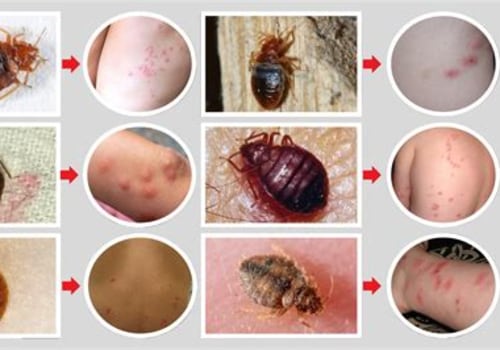
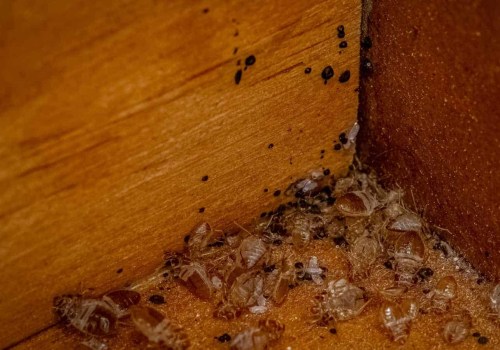
Bed bugs are small, elusive pests that have become a significant concern for many households and businesses. Understanding bed bug size and their physical characteristics is crucial for effective identification and management. These tiny insects, scientifically known as Cimex lectularius, are notorious for their ability to hide in the smallest of crevices, making them difficult to detect until an infestation occurs. Typically, adult bed bugs measure about 1/4 inch to 3/8 inch in length, roughly the size of an apple seed. Their bodies are flat and oval-shaped, which allows them to easily slip into tight spaces.
Newly hatched nymphs are even smaller, measuring just about 1/16 inch, and they can be nearly transparent, making them even harder to spot. As they mature, bed bugs undergo several molts, gradually increasing in size and changing color from a light tan to a reddish-brown after feeding. In addition to their size, understanding what bed bugs look like can help in recognizing an infestation early. Adult bed bugs have a distinctive appearance with a smooth, shiny exoskeleton and long antennae. Their flattened bodies allow them to hide in mattress seams, behind headboards, and within furniture.
By familiarizing yourself with these bed bug facts, you can take proactive measures to prevent infestations and protect your living space.
What Are Bed Bugs?
Bed bugs are small, parasitic insects that belong to the family Cimicidae. They primarily feed on the blood of humans and other warm-blooded hosts. Understanding their biology and characteristics is essential for effective identification and management.Adult bed bugs typically measure between 1/4 inch to 3/8 inch in length, resembling an apple seed in shape. Their bodies are flat, oval, and reddish-brown, which allows them to hide easily in crevices and seams of furniture, bedding, and walls.After feeding, their bodies swell and become more elongated and darker in color.
Life Cycle and Reproduction
- Eggs: Female bed bugs can lay up to 5 eggs per day, with a total of around 200-500 eggs in their lifetime. The eggs are tiny, about the size of a pinhead, and are usually laid in hidden areas.
- Nymphs: After about a week, the eggs hatch into nymphs, which are smaller versions of adults. They undergo five molts before reaching maturity.
- Adults: Bed bugs reach maturity in about 5 weeks, depending on environmental conditions such as temperature and availability of food.
Behavioral Characteristics
- Nocturnal Feeding: Bed bugs are primarily active at night, making them difficult to detect during the day.
- Host Detection: They use heat and carbon dioxide emitted by potential hosts to locate them.
- Resilience: Bed bugs can survive for several months without feeding, making eradication challenging.
Size of Bed Bugs: An Overview
Understanding the size of bed bugs is essential for effective identification and control.Adult bed bugs are typically about 4 to 5 millimeters in length, which is roughly the size of an apple seed. Their bodies are flat and oval-shaped, making them adept at hiding in small crevices.Bed bugs undergo several life stages, each varying in size:
- Eggs: Bed bug eggs are tiny, measuring about 1 millimeter in length. They are white and often difficult to see with the naked eye.
- Nymphs: After hatching, bed bugs enter the nymph stage. Nymphs go through five molts before reaching adulthood.
Their sizes range from 1.5 millimeters to 4 millimeters, depending on their age.
- Adults: As mentioned, adult bed bugs measure between 4 to 5 millimeters. They can appear larger after feeding due to their swollen bodies, which can reach up to 8 millimeters.
Life Cycle and Growth Stages of Bed Bugs
The life cycle of bed bugs consists of several distinct stages, each marked by significant changes in size and appearance.Understanding these stages is crucial for identifying and managing infestations effectively.Bed bugs undergo a process known as hemimetabolism, which means they develop through a series of nymph stages before reaching adulthood. The complete life cycle includes the following stages:
- Egg: The life cycle begins with tiny, pearly white eggs that are about 1mm in size. These eggs are often laid in clusters and can be difficult to spot.
- Nymph: After about 6 to 10 days, the eggs hatch into nymphs. Nymphs are smaller than adults, measuring approximately 1.5mm to 4.5mm in length, depending on their age.
They are translucent and may appear yellowish or light brown.
- Adult: Nymphs molt five times before reaching adulthood, growing larger with each molt. Adult bed bugs typically measure between 4mm to 5mm in length and have a flat, oval shape. Their color ranges from reddish-brown to mahogany, especially after feeding.
This change is particularly noticeable after feeding, as they swell and become more elongated. Understanding these growth stages not only helps in identifying bed bugs but also aids in implementing effective control measures.In summary, the bed bug life cycle is a fascinating process that highlights how these pests grow and develop over time. By recognizing the different stages and their corresponding sizes, individuals can better manage infestations and protect their living spaces.
Comparing Bed Bug Sizes to Other Common Pests
Understanding the size of bed bugs is crucial for effective identification and management. To put their size into perspective, let’s compare them to other common household pests.- Bed Bugs: Adult bed bugs typically measure between 1/4 inch to 3/8 inch in length, resembling an apple seed in shape and color.
- Ants: Common household ants, such as the black garden ant, range from 1/8 inch to 1/2 inch long.
While some larger species can exceed this size, most are smaller than bed bugs.
- Roaches: The American cockroach is one of the largest household pests, measuring about 1.5 inches long. In contrast, bed bugs are significantly smaller, making them easier to overlook.
- Fleas: Adult fleas are about 1/16 inch to 1/8 inch long. Although they are smaller than bed bugs, their ability to jump can make them more challenging to catch.
- Silverfish: These pests can grow up to 1 inch long. While they are longer than bed bugs, their slender shape makes them less noticeable in many cases.
Recognizing their size relative to other pests can aid in identifying infestations early and taking appropriate action.In summary, while bed bugs may be small, they are comparable in size to several other common household pests. Understanding these differences not only helps in identification but also emphasizes the importance of vigilance when it comes to pest control.
Frequently Asked Questions About Bed Bug Size
When it comes to understanding bed bug size, many people have questions that can help clarify common misconceptions. Here are some frequently asked questions about bed bugs and their sizes:- What is the average size of a bed bug?Adult bed bugs typically measure between 1/4 inch to 3/8 inch in length, resembling the size of an apple seed. Their width is about 1/8 inch, making them relatively small and easy to overlook.
- Do bed bugs change size as they grow?Yes, bed bugs undergo several life stages, starting from eggs to nymphs and then to adults.
Nymphs are smaller, ranging from 1/16 inch to 1/4 inch, and they grow larger with each molt.
- Can bed bugs appear larger after feeding?Absolutely! After a blood meal, bed bugs can swell up and appear significantly larger, sometimes doubling in size. This can make them more noticeable.
- Are there different species of bed bugs with varying sizes?While the common bed bug (Cimex lectularius) is the most recognized, there are other species like the tropical bed bug (Cimex hemipterus). However, their sizes are generally similar, with minor variations.
- What are some myths about bed bug sizes?A common myth is that all bed bugs are large and easy to spot. In reality, many are quite small and can hide in tiny crevices, making them difficult to detect until an infestation occurs.
If you suspect a bed bug problem, knowing their size and behavior is crucial for proper treatment.
Conclusion: Key Takeaways on Bed Bug Size
In summary, understanding the size of bed bugs is crucial for effective identification and management. These pests are typically about the size of an apple seed, measuring approximately 4 to 5 millimeters in length when fully grown. Their flat, oval bodies allow them to hide in small crevices, making them difficult to spot until an infestation occurs.Here are some key takeaways regarding bed bug size:- Life Stages: Bed bugs go through several life stages, including eggs, nymphs, and adults. Eggs are tiny, about 1 millimeter, while nymphs grow progressively larger as they molt.
- Color and Shape: Adult bed bugs are reddish-brown and have a distinctive flat shape that can change to a more swollen appearance after feeding.
- Size Variation: While adult bed bugs are generally uniform in size, nymphs can vary significantly depending on their age and feeding status.
If you suspect you have bed bugs, it’s essential to act quickly. Consider consulting a pest control professional who can provide effective treatment options tailored to your situation.For further information on bed bug facts, including prevention tips and treatment methods, be sure to explore additional resources or guides available online. Staying informed is your best defense against these resilient pests.