Bed bugs are small, elusive insects that have become a significant concern for homeowners and travelers alike. These pests, scientifically known as Cimex lectularius, are notorious for their ability to thrive in various environments, leading to widespread misconceptions about their habitats. Many people believe that bed bugs only inhabit beds, but the reality is far more complex. Understanding the true nature of these pests is crucial for effective prevention and control. While it is true that bed bugs are commonly found in mattresses, box springs, and bed frames, they are not limited to these areas.
In fact, bed bug facts reveal that these resilient insects can also be found in a variety of locations, including furniture, carpets, and even behind baseboards. Their ability to hide in tiny crevices makes them particularly challenging to detect and eliminate. This adaptability allows them to spread quickly from one location to another, often hitching rides on clothing, luggage, or used furniture. As we delve deeper into the world of bed bugs, it becomes essential to debunk the myth that they only live in beds. By recognizing their diverse habitats and understanding their behavior, we can better equip ourselves to combat these persistent pests.
In the following sections, we will explore where bed bugs live, how they spread, and effective strategies for prevention and treatment.
What Are Bed Bugs?
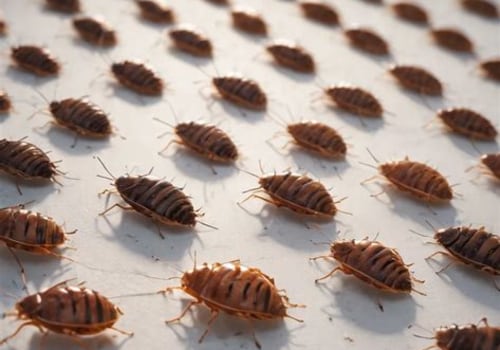
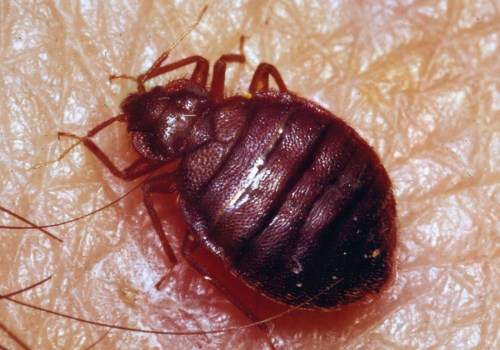
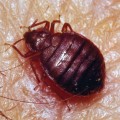
Bed bugs are small, parasitic insects that primarily feed on the blood of humans and animals. They belong to the family Cimicidae and are scientifically known as Cimex lectularius. Adult bed bugs are typically about 5 to 7 millimeters long, resembling an apple seed in shape and color, with a flat, oval body that turns reddish-brown after feeding.The life cycle of bed bugs consists of several stages: egg, nymph, and adult. A female bed bug can lay up to 500 eggs in her lifetime, which hatch within a week under optimal conditions.Nymphs go through five molts before reaching adulthood, requiring a blood meal at each stage. This rapid reproduction rate contributes significantly to the difficulty of managing infestations.
Feeding Habits
Bed bugs are nocturnal feeders, typically emerging at night to feed on their hosts while they sleep. They use specialized mouthparts to pierce the skin and withdraw blood, often leaving behind small, itchy welts. A single feeding session can last anywhere from three to ten minutes.After feeding, bed bugs retreat to their hiding spots, which can include cracks in walls, furniture seams, and even electrical outlets.
Behavior and Habitat
While their name suggests a strong association with beds, bed bugs can inhabit various environments. They are adept at hiding in small crevices and can be found in places such as:- Mattresses and box springs
- Bed frames and headboards
- Couches and chairs
- Baseboards and wall cracks
- Luggage and clothing
Common Misconceptions About Bed Bug Habitats
One of the most prevalent bed bug myths is the belief that these pests only inhabit beds. While it is true that beds provide an ideal environment for bed bugs due to their proximity to humans, these insects are not limited to this space.Understanding the various bed bug habitats is crucial for effective prevention and control.
Bed bugs
are highly adaptable creatures that can thrive in a variety of locations. They often hide in places where they can easily access their food source—humans. Here are some common areas where bed bugs can be found:- Furniture: Sofas, chairs, and other upholstered furniture can harbor bed bugs, especially in seams and crevices.
- Clothing: Bed bugs can cling to clothing, making it easy for them to travel from one location to another.
- Luggage: When traveling, bed bugs can easily hitch a ride in your luggage, leading to infestations in your home.
- Baseboards and Walls: Cracks and crevices in walls and baseboards provide excellent hiding spots for bed bugs.
- Electrical Outlets: Bed bugs can also be found in electrical outlets and behind light switches, making them difficult to detect.
Additionally, understanding that bed bugs do not exclusively live in beds allows homeowners to take a more comprehensive approach to prevention.In conclusion, debunking the myth that bed bugs only live in beds is essential for effective pest management. By recognizing their diverse habitats, individuals can implement better strategies for keeping these pests at bay.
Where Do Bed Bugs Actually Live?
While the name bed bugs suggests that these pests are primarily found in beds, their habitat extends far beyond this common misconception. Understanding where to find bed bugs is crucial for effective prevention and control.Common Hiding Spots:
- Furniture: Bed bugs often take refuge in upholstered furniture, such as sofas and chairs. They can hide in seams, cushions, and even under the furniture itself.
- Luggage: When traveling, bed bugs can easily hitch a ride in your luggage.
They may hide in zippers, pockets, or the lining of bags, making it essential to inspect your belongings after a trip.
- Baseboards and Walls: These pests can also be found in cracks and crevices along baseboards and walls. They may travel along these surfaces to reach their next meal.
- Electrical Outlets: Bed bugs are known to hide in electrical outlets and behind light switches. This makes them difficult to detect during a visual inspection.
- Mattresses and Box Springs: While this is a common hiding spot, it’s important to note that bed bugs can also be found in the folds and seams of mattresses and box springs.
Public Spaces:
Bed bugs are not limited to homes; they can also be found in public spaces such as hotels, libraries, and public transportation. These environments provide ample opportunities for bed bugs to spread from one location to another.To effectively combat a potential infestation, it’s essential to regularly check these areas for signs of bed bugs, such as small dark spots (fecal matter), shed skins, or even live insects.
By being vigilant about where to find bed bugs, you can take proactive measures to protect your home and belongings.
Signs of a Bed Bug Infestation
Identifying a bed bug infestation early is crucial for effective treatment. Here are some key signs to look out for:- Visible Bed Bugs: Adult bed bugs are about the size of an apple seed, with a reddish-brown color. They are often found in the seams of mattresses, bed frames, and other furniture.
- Bed Bug Bites: If you wake up with itchy, red welts on your skin, especially in a line or cluster, this could indicate bed bug bites. These bites often appear on exposed skin areas.
- Dark Spots: Look for small dark spots on your sheets or mattress.
These spots are typically bed bug excrement and can be a telltale sign of their presence.
- Eggs and Shells: Bed bug eggs are tiny, white, and oval-shaped. You may also find shed skins from nymphs as they grow into adults.
- Unpleasant Odor: A strong, musty smell in your bedroom can indicate a significant infestation. This odor comes from the scent glands of bed bugs.
How Bed Bugs Spread
Understanding how bed bugs spread is crucial for effective prevention and control.These pests are notorious for their ability to hitch a ride on various items, making them a challenge to eliminate once they invade a space.
Human Activity and Bed Bug Transmission
Bed bugs primarily spread through human activity. They can easily attach themselves to clothing, luggage, and personal belongings, allowing them to travel from one location to another. Here are some common ways bed bugs are transmitted:
- Traveling: Hotels and motels are frequent hotspots for bed bug infestations. When travelers unknowingly bring bed bugs home in their luggage or clothing, they can establish new colonies in their residences.
- Second-hand Furniture: Purchasing used furniture or mattresses can introduce bed bugs into your home.
Always inspect these items thoroughly before bringing them inside.
- Shared Spaces: Bed bugs can easily move between apartments or units in multi-family housing. They can crawl through cracks in walls or floors, making it essential for neighbors to work together in prevention efforts.
Preventing Bed Bug Spread
To minimize the risk of bed bug transmission, consider the following preventive measures:
- Regular Inspections: Frequently check your home for signs of bed bugs, especially after traveling or acquiring second-hand items.
- Luggage Care: When returning from a trip, inspect your luggage and wash your clothes immediately. Use protective covers for your luggage during travel.
- Seal Cracks and Crevices: Close off potential entry points in your home where bed bugs could migrate from neighboring units.
Preventing Bed Bug Infestations
Preventing bed bug infestations requires vigilance and proactive measures, whether at home or while traveling. Here are some effective bed bug prevention tips to help you avoid these unwelcome pests:- Regular Inspections: Frequently check your home for signs of bed bugs, especially in areas where they are likely to hide, such as mattresses, box springs, and furniture seams.
- Protective Covers: Use bed bug-proof encasements on mattresses and pillows.
These covers can trap any existing bugs and prevent new ones from entering.
- Declutter: Reduce clutter in your home to minimize hiding spots for bed bugs. Keep items off the floor and store belongings in sealed containers.
- Travel Smart: When staying in hotels, inspect the room for signs of bed bugs before unpacking. Keep your luggage on a luggage rack rather than on the bed or floor.
- Launder Regularly: Wash and dry bedding, linens, and clothing on high heat regularly. This can kill any potential bed bugs and their eggs.
- Vacuum Frequently: Regularly vacuum your home, focusing on areas where bed bugs may hide.
Dispose of the vacuum bag immediately after use to prevent any escapees.
- Seal Cracks and Crevices: Inspect your home for cracks in walls, baseboards, and furniture. Seal these openings to reduce potential entry points for bed bugs.
Dealing with a Bed Bug Infestation
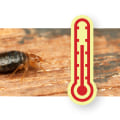
Dealing with a bed bug infestation can be a daunting task, but understanding the treatment options available can help you regain control of your home. Here are some effective methods for exterminating bed bugs:- Heat Treatment: This method involves raising the temperature of infested areas to a level that is lethal to bed bugs.
Professional exterminators often use specialized equipment to ensure that every nook and cranny reaches the necessary temperature.
- Chemical Treatments: There are various insecticides specifically designed to target bed bugs. These can be applied by professionals or, in some cases, by homeowners. Always follow the manufacturer's instructions and safety guidelines when using these products.
- Vacuuming: Regularly vacuuming your home can help remove bed bugs and their eggs. Be sure to dispose of the vacuum bag immediately after use to prevent any chance of re-infestation.
- Encasements: Using bed bug-proof encasements on mattresses and box springs can trap any existing bugs and prevent new ones from entering.
This is a crucial step in managing an infestation.
- Professional Extermination: If the infestation is severe, hiring a pest control professional may be the best option. They have access to advanced tools and techniques that can effectively eliminate bed bugs.
Frequently Asked Questions About Bed Bugs
When it comes to bed bugs, many people have questions about their behavior and habitat.Here are some of the most frequently asked questions:
- Do bed bugs only live in beds?
While their name suggests they are exclusive to beds, bed bugs can actually be found in various locations. They prefer areas close to their food source, which is typically humans. This means they can also inhabit furniture, carpets, and even behind baseboards. They are adept at hiding in small crevices, making them difficult to detect. - How do I know if I have a bed bug infestation?
Look for signs such as small reddish-brown spots on your sheets or mattress, which are often blood stains from bites.You may also notice tiny white eggs or shed skins in areas where bed bugs hide.
- Do bed bugs bite pets?
Yes, bed bugs can bite pets, although they primarily prefer humans. Pets can carry bed bugs into your home or provide a meal if humans are not available. If you suspect your pet has been bitten, check for signs of irritation or unusual behavior.
Conclusion: Key Takeaways on Bed Bug Habitats and Management
In conclusion, understanding the habitats of bed bugs is crucial for effective management and prevention.While many people associate these pests primarily with beds, it is essential to recognize that they can inhabit a variety of locations within a home or establishment.Key Takeaways:
- Bed bugs are not limited to beds: They can be found in furniture, carpets, and even behind wall hangings. Their ability to hide in small crevices makes them particularly challenging to detect.
- Common hiding spots: Look for bed bugs in places such as nightstands, baseboards, and electrical outlets. Regular inspections of these areas can help catch infestations early.
- Effective management strategies: Implementing a combination of thorough cleaning, vacuuming, and professional pest control services is vital for eliminating bed bugs. Consider encasing mattresses and box springs to prevent re-infestation.
- Prevention is key: Being proactive by inspecting second-hand furniture and being cautious while traveling can significantly reduce the risk of bringing bed bugs into your home.
For more information on bed bug facts and management techniques, consider exploring additional resources or consulting with pest control professionals.