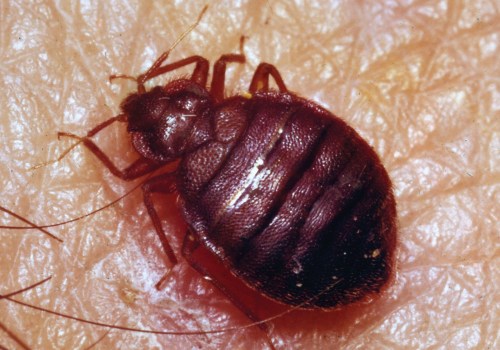
Bed bugs are small, elusive insects that have become a significant concern for homeowners and travelers alike. Understanding bed bug facts is essential for anyone looking to prevent an infestation. These pests, scientifically known as Cimex lectularius, are notorious for their ability to hide in the tiniest of crevices, making them difficult to detect until a full-blown infestation occurs. Adult bed bugs are about the size of an apple seed, with a flat, oval shape that allows them to squeeze into narrow spaces. One of the most alarming aspects of bed bugs is their reproductive capabilities.
A single female can lay hundreds of eggs in her lifetime, leading to rapid population growth if not addressed promptly. Bed bugs are primarily nocturnal, feeding on the blood of their hosts while they sleep. Their bites can cause itchy welts and allergic reactions in some individuals, making it crucial to recognize the signs of an infestation early. To effectively prevent bed bug infestations, it is vital to understand their behavior and habitats. They are often found in places where people sleep or rest, such as hotels, dormitories, and even public transportation.
By being aware of these bed bug behaviors, such as their tendency to hitchhike on luggage or clothing, you can take proactive measures to protect your home and ensure a good night’s sleep.
Identifying Bed Bug Infestations Early
Recognizing the early signs of a bed bug infestation is crucial for effective prevention and control. Bed bugs are small, nocturnal insects that feed on human blood, and their presence can lead to significant discomfort and anxiety.How to Identify Bed Bugs
- Physical Appearance: Adult bed bugs are about the size of an apple seed, with a flat, oval shape and a reddish-brown color. Nymphs are smaller and lighter in color. Look for these insects in the seams of mattresses, box springs, and upholstered furniture.
- Eggs and Shells: Bed bug eggs are tiny, white, and often found in clusters.
You may also find shed skins (exoskeletons) as they grow and molt.
Signs of Bed Bug Infestation
- Blood Stains: Small red or brown stains on sheets or mattresses can indicate bed bug bites or crushed bugs.
- Dark Spots: Look for tiny dark spots (bed bug feces) on bedding or walls. These spots can be a telltale sign of an infestation.
- Unpleasant Odor: A musty smell in your bedroom may suggest a larger infestation, as bed bugs release pheromones that can create an unpleasant scent.
Bed Bug Bites
If you suspect a bed bug infestation, pay attention to any unexplained bites on your skin. Bed bug bites typically appear as small, red welts that may be itchy and are often arranged in a line or cluster. They usually occur on exposed areas of the body while you sleep, such as the arms, neck, and face.By being vigilant and recognizing these signs early, you can take immediate action to prevent a full-blown infestation.
Regularly inspecting your sleeping areas and maintaining cleanliness can significantly reduce the risk of bed bugs taking up residence in your home.
Preventive Measures for Your Home
Preventing a bed bug infestation in your home requires vigilance and proactive measures. Here are some effective home prevention tips to keep these pests at bay:- Regular Cleaning: Maintain a consistent cleaning schedule. Vacuum your home frequently, especially in areas where bed bugs are likely to hide, such as under beds, along baseboards, and in carpets. Make sure to dispose of the vacuum bag immediately after use to prevent any potential escapees.
- Seal Cracks and Crevices: Inspect your home for any cracks or crevices where bed bugs could enter or hide.
Use caulk to seal these openings, particularly around windows, doors, and electrical outlets.
- Protective Covers: Invest in bed bug-proof mattress and box spring encasements. These covers create a barrier that prevents bed bugs from infesting your bedding and make it easier to spot any potential issues.
- Be Cautious with Secondhand Items: When bringing secondhand furniture or clothing into your home, inspect them thoroughly for signs of bed bugs. If possible, wash or dry clean these items before introducing them into your living space.
- Monitor Your Home: Consider using bed bug monitors in your home. These devices can help you detect early signs of an infestation, allowing you to take action before the problem escalates.
Staying informed about bed bug facts and maintaining a proactive approach will help ensure a pest-free environment for you and your family.
Travel Tips to Avoid Bringing Bed Bugs Home
Traveling can be a delightful experience, but it also poses the risk of bringing bed bugs back home. To ensure your home remains bed bug-free, follow these essential tips while traveling.Inspect Your Hotel Room
- Check the Bed: Upon entering your hotel room, immediately inspect the bed. Look for signs of bed bugs, such as small dark spots (fecal matter) or shed skins, particularly along the seams and edges of the mattress.
- Examine Other Furniture: Bed bugs can hide in other areas too. Check upholstered furniture, headboards, and nightstands for any signs of infestation.
- Use a Flashlight: A flashlight can help you spot bed bugs more easily in dark corners or crevices.
Luggage Management
- Keep Luggage Off the Floor: Use luggage racks to keep your bags elevated and away from potential bed bug hiding spots.
- Seal Your Clothes: Consider using plastic bags or packing cubes to keep your clothes sealed and protected from any potential bed bugs.
- Avoid Unpacking: If possible, avoid unpacking your suitcase in the hotel room.
Keep your belongings in your luggage until you return home.
Post-Travel Precautions
- Inspect Your Belongings: Before bringing your luggage inside, inspect it for any signs of bed bugs. Pay close attention to seams and folds.
- Launder Clothes Immediately: Wash all clothing from your trip in hot water and dry on high heat to kill any potential bed bugs.
- Vacuum Your Luggage: After returning home, vacuum your suitcase thoroughly to remove any hitchhikers that may have come along for the ride.
Common Myths About Bed Bugs Debunked
Understanding the truth about bed bugs is crucial for effective prevention. Unfortunately, several myths and misconceptions can lead to ineffective strategies and unnecessary panic.Here, we debunk some of the most common myths surrounding these pests.
- Myth 1: Bed bugs are only found in dirty homes. This is a widespread belief, but bed bugs can infest any environment, regardless of cleanliness. They are attracted to warmth and carbon dioxide, not dirt. Even the most pristine hotels can harbor these pests.
- Myth 2: You can catch bed bugs from pets. Bed bugs do not live on animals; they prefer human hosts. While pets can bring bed bugs into your home on their fur or belongings, they are not a direct source of infestation.
- Myth 3: Bed bugs are only active at night. While they are primarily nocturnal, bed bugs can be active at any time if they are hungry.
This means that daytime infestations can occur, especially in heavily infested areas.
- Myth 4: You can eliminate bed bugs with DIY methods alone. Many people believe that household remedies will suffice for eradicating bed bugs. However, these pests are resilient and often require professional treatment for complete elimination.
When to Call a Professional Exterminator
Identifying the right moment to call a professional exterminator for a bed bug infestation is crucial in effectively managing the problem. While some minor infestations can be handled with DIY methods, there are specific signs and circumstances that indicate it’s time to seek expert help.- Persistent Signs of Infestation: If you notice consistent signs of bed bugs, such as bites on your skin, blood stains on your sheets, or the presence of shed skins and fecal spots, it’s a clear indication that the infestation is beyond your control.
- Rapidly Increasing Numbers: If you find that the number of bed bugs is increasing despite your efforts to eliminate them, it’s time to call in a professional.
Exterminators have access to more effective treatments and can address the issue more comprehensively.
- Multiple Rooms Affected: When bed bugs spread beyond a single room or area, it becomes increasingly difficult to manage the situation on your own. Professionals can assess the extent of the infestation and treat all affected areas.
- Allergic Reactions: If you or anyone in your household is experiencing severe allergic reactions to bed bug bites, seeking professional help is essential for health and safety reasons.
- Lack of Effective DIY Solutions: If you’ve tried various home remedies or over-the-counter treatments without success, it’s a sign that you need specialized knowledge and tools that only professionals possess.
Frequently Asked Questions About Bed Bug Prevention
When it comes to bed bug prevention, many people have questions about how to effectively keep these pests at bay.Here are some of the most frequently asked questions regarding bed bug prevention:
- What are the best ways to prevent bed bugs?
To prevent bed bugs, regularly inspect your home, especially in areas where they are likely to hide, such as mattresses, box springs, and furniture. Use protective covers on mattresses and box springs, and reduce clutter to minimize hiding spots. - Can I get bed bugs from public places?
Yes, bed bugs can be found in public places like hotels, public transportation, and movie theaters. Always check for signs of bed bugs when traveling or using shared spaces. Consider keeping your luggage off the floor and using hard-sided luggage instead of soft bags. - How often should I check for bed bugs?
It’s advisable to conduct a thorough inspection of your home at least once a month.Pay special attention to seams of mattresses, behind headboards, and in cracks and crevices of furniture.
- Are there any natural remedies for preventing bed bugs?
While there are no guaranteed natural remedies, some people use essential oils like tea tree oil or lavender as a deterrent. However, these should not replace professional pest control methods if an infestation occurs. - What should I do if I suspect a bed bug infestation?
If you suspect an infestation, act quickly. Isolate the affected area by removing bedding and vacuuming thoroughly. Contact a professional pest control service for an effective treatment plan.
Remember that vigilance and proactive measures are key in preventing a potential infestation.
Conclusion: Key Takeaways for Bed Bug Prevention
In summary, preventing a bed bug infestation requires vigilance and proactive measures. Understanding bed bug facts is crucial in recognizing the signs of these pests and taking appropriate action before they become a larger problem. Here are the key takeaways to keep in mind:- Regular Inspections: Frequently check your living spaces, especially in areas where you sleep or relax. Look for signs such as small dark spots on bedding or tiny shed skins.
- Travel Precautions: When traveling, inspect hotel rooms for signs of bed bugs. Keep your luggage off the floor and use protective covers for your belongings.
- Declutter: Reducing clutter in your home minimizes hiding spots for bed bugs, making it easier to spot and eliminate them if they appear.
- Protective Covers: Invest in high-quality mattress and box spring encasements that are specifically designed to prevent bed bugs from entering or escaping.
- Professional Help: If you suspect an infestation, don’t hesitate to contact pest control professionals who can provide effective treatment options.
Remember, early detection and action are key to maintaining a bed bug-free environment.