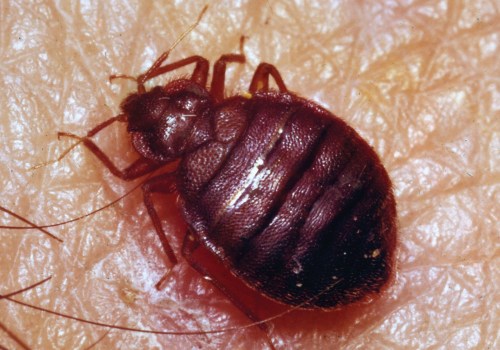
Bed bugs, scientifically known as Cimex lectularius, are small, nocturnal insects that feed on the blood of humans and animals. Their resurgence in recent years has made them a significant concern for homeowners, renters, and travelers alike. Understanding bed bug facts is crucial, as these pests can infiltrate even the cleanest of environments, often hitching a ride on luggage, clothing, or used furniture. The mere presence of bed bugs can lead to a range of issues that extend beyond the immediate discomfort of bites. The effects of a bed bug infestation can be profound and multifaceted.
While many people associate bed bugs primarily with physical discomfort due to their bites, the long-term implications can be far more severe. Psychological distress, including anxiety and insomnia, often accompanies an infestation. Victims may experience heightened stress levels and a constant sense of unease in their own homes, leading to a diminished quality of life. Moreover, the financial burden associated with eradicating bed bugs can be significant. Professional pest control services are often required to eliminate these resilient pests effectively, and repeated treatments may be necessary.
This not only impacts personal finances but can also affect property values in severe cases. As we delve deeper into the long-term effects of bed bugs, it becomes clear that understanding their impact is essential for effective prevention and management strategies.
What Are Bed Bugs?
Bed bugs are small, wingless insects belonging to the family Cimicidae. They are primarily known for their parasitic behavior, feeding on the blood of humans and other warm-blooded animals. Adult bed bugs typically measure about 4 to 5 millimeters in length and have a flat, oval shape that allows them to hide easily in various environments.The biology of bed bugs is fascinating.They undergo a process called hemimetabolism, which means they develop through three life stages: egg, nymph, and adult. Female bed bugs can lay up to 500 eggs in their lifetime, with each egg measuring about 1 millimeter in size. The eggs hatch within a week, and the nymphs require several blood meals before they can mature into adults.
Bed bug behavior
is equally intriguing. These pests are primarily nocturnal, meaning they are most active at night when their hosts are asleep.They use heat and carbon dioxide emitted by humans to locate their next meal. Once they find a host, bed bugs inject saliva that contains anticoagulants to prevent blood clotting while they feed.
- Hiding Places: Bed bugs prefer to hide in cracks and crevices near their food source, such as in mattresses, box springs, bed frames, and even behind wallpaper.
- Feeding Frequency: An adult bed bug can survive for several months without feeding, making them resilient pests that can endure long periods without a host.
- Reproduction: Bed bugs reproduce quickly; under optimal conditions, a population can grow exponentially within a few months.
Signs of a Bed Bug Infestation
Identifying a bed bug infestation early is crucial for effective treatment and prevention. Here are some common signs of a bed bug infestation that you should be aware of:- Visible Bugs: Adult bed bugs are small, about the size of an apple seed, and can be seen with the naked eye.
They are brownish-red and flat, making them easy to spot in crevices or folds of bedding.
- Bed Bug Bites: One of the most noticeable signs is the presence of bites on your skin. These bites often appear in clusters or lines and can cause itching and irritation.
- Blood Stains: You may notice small blood stains on your sheets or pillowcases. These occur when bed bugs are crushed after feeding.
- Dark Spots: Look for tiny dark spots on your mattress or bedding, which are actually bed bug excrement. These spots can be a telltale sign of an infestation.
- Eggs and Shells: Bed bug eggs are tiny, white, and oval-shaped.
You might also find shed skins from nymphs as they grow into adults.
Immediate Effects of a Bed Bug Infestation
When faced with a bed bug infestation, individuals often experience a range of immediate effects that can significantly impact their daily lives. The most noticeable of these effects are the physical symptoms resulting from bed bug bites.Physical Effects:
- Itching and Discomfort: Bed bug bites typically cause intense itching and discomfort. The bites often appear as small, red welts on the skin, which can lead to scratching and further irritation.
- Allergic Reactions: Some individuals may experience allergic reactions to bed bug saliva, resulting in more severe symptoms such as swelling, hives, or even anaphylaxis in rare cases.
- Secondary Infections: Excessive scratching of the bite sites can lead to secondary infections, requiring medical treatment and potentially leading to more serious health issues.
Psycho-Social Effects:
- Anxiety and Stress: The presence of bed bugs can create significant anxiety and stress.
Individuals may feel a constant sense of unease about their living environment, leading to sleep disturbances and decreased quality of life.
- Social Stigma: There is often a social stigma associated with bed bug infestations. People may feel embarrassed or ashamed, which can lead to isolation from friends and family.
- Sleep Disruption: The fear of being bitten at night can result in insomnia or disrupted sleep patterns, further exacerbating mental health issues.
Long-Term Health Effects of Bed Bug Infestations
Bed bug infestations can lead to a variety of long-term health effects that extend beyond the immediate discomfort of bites.Understanding these potential consequences is crucial for anyone dealing with an infestation.
Chronic Skin Conditions
One of the most common long-term effects of bed bug bites is the development of chronic skin conditions. While most people experience temporary itching and redness, some may develop:- Secondary infections: Scratching bites can lead to open wounds, increasing the risk of bacterial infections.
- Allergic reactions: Repeated exposure to bed bug bites can cause heightened allergic responses, resulting in persistent rashes or hives.
- Scarring: In severe cases, excessive scratching may lead to permanent scarring on the skin.
Mental Health Impacts
The psychological toll of a bed bug infestation can be profound. Many individuals report experiencing:- Anxiety: The fear of being bitten or bringing bed bugs into new environments can lead to chronic anxiety.
- Insomnia: The stress and discomfort associated with bed bugs often disrupt sleep patterns, leading to insomnia.
- Depression: Prolonged infestations can result in feelings of helplessness and depression, particularly if the infestation is difficult to eradicate.
Economic Consequences of Bed Bug Infestations
Bed bug infestations can lead to significant economic consequences for both individuals and businesses.The financial burden associated with these pests extends beyond the immediate costs of treatment and can affect various aspects of life and commerce.
Cost of Treatment for Bed Bugs
- The average cost for professional bed bug treatment ranges from $300 to $1,500, depending on the severity of the infestation and the size of the property.
- Homeowners may also incur additional expenses for replacement of infested furniture, which can add hundreds or even thousands of dollars to the overall cost.
- DIY treatments, while often cheaper, may not be effective and can lead to prolonged infestations, ultimately increasing costs.
Economic Impact on Businesses
- For businesses, particularly in the hospitality industry, a bed bug infestation can result in loss of revenue due to negative reviews and decreased customer trust.
- Hotels and motels may face legal liabilities and compensation claims from affected guests, further straining their finances.
- Businesses may also need to invest in ongoing pest control measures to prevent future infestations, adding to their operational costs.
Long-Term Financial Burden
- The long-term effects of a bed bug infestation can include increased insurance premiums as property owners report infestations to their insurers.
- In some cases, properties may lose value due to a history of infestations, making it difficult to sell or rent.
- The psychological impact on individuals dealing with bed bugs can lead to decreased productivity at work, further contributing to economic losses.
Preventing Bed Bug Infestations: Best Practices
Preventing bed bug infestations requires vigilance and proactive measures. Here are some effective strategies to help you avoid these unwelcome pests:- Regular Inspections: Frequently check your home, especially in areas where bed bugs are likely to hide, such as mattresses, box springs, and furniture seams. Look for signs like small dark spots (fecal matter) or shed skins.
- Protective Covers: Use bed bug-proof encasements on mattresses and pillows.
These covers create a barrier that prevents bed bugs from entering or escaping, making it easier to spot any potential infestations.
- Declutter: Reducing clutter in your home minimizes hiding spots for bed bugs. Keep items off the floor and store belongings in sealed containers.
- Be Cautious When Traveling: When staying in hotels or other accommodations, inspect the room for signs of bed bugs before unpacking. Keep your luggage on a luggage rack rather than on the bed or floor.
- Wash and Dry Bedding Regularly: Wash your sheets, pillowcases, and blankets in hot water at least once a week. Dry them on high heat to kill any potential bed bugs or eggs.
- Seal Cracks and Crevices: Inspect your home for cracks in walls, baseboards, and furniture.
Seal these gaps with caulk to reduce potential entry points for bed bugs.
- Educate Yourself: Stay informed about bed bug facts, including their behavior and life cycle. Understanding how they operate can help you identify problems early.
FAQs About Bed Bugs and Their Long-Term Effects
When it comes to bed bugs, many people have questions about their long-term effects and the myths surrounding these pests. Here are some frequently asked questions that can help clarify common misconceptions.What are the long-term effects of a bed bug infestation?
The long-term effects of a bed bug infestation can vary from person to person.While bed bugs are not known to transmit diseases, their bites can lead to significant psychological distress, including anxiety and insomnia. Additionally, persistent scratching of bites may result in secondary infections. In severe cases, individuals may develop an allergic reaction to bed bug bites, leading to more serious health concerns.
Can bed bugs cause health problems?
While bed bugs do not carry diseases, they can cause a range of health issues primarily related to their bites. These include:- Skin Reactions: Some people may experience severe itching, rashes, or hives.
- Psychological Effects: The stress of dealing with an infestation can lead to anxiety, depression, and sleep disturbances.
- Infections: Scratching bites can lead to bacterial infections if the skin is broken.
Are there any myths about bed bugs?
Yes, several myths about bed bugs persist.Here are a few:
- Myth 1: Bed bugs only infest dirty homes. This is false; bed bugs can thrive in any environment regardless of cleanliness.
- Myth 2: Bed bugs are only found in beds. They can hide in furniture, carpets, and even behind wallpaper.
- Myth 3: You can't see bed bugs. Adult bed bugs are visible to the naked eye and are about the size of an apple seed.
Conclusion: The Importance of Addressing Bed Bug Infestations Promptly
In conclusion, addressing a bed bug infestation promptly is crucial to prevent both immediate discomfort and potential long-term effects.As we have discussed, bed bugs can lead to a range of issues that extend beyond mere physical irritation. The psychological impact, including anxiety and insomnia, can linger long after the pests have been eradicated.Moreover, the financial burden associated with treating an infestation can escalate quickly if not handled early. The longer one waits to address the problem, the more extensive the infestation can become, leading to higher costs for professional extermination services and potential damage to property.To mitigate these risks, it is essential to:
- Act quickly: At the first sign of bed bugs, such as bites or spotting them in your living space, take immediate action.
- Educate yourself: Understanding bed bug facts can empower you to identify and respond to infestations effectively.
- Seek professional help: Engaging pest control experts can ensure thorough treatment and reduce the likelihood of recurrence.
- Implement preventive measures: Regular inspections and maintaining cleanliness can help keep bed bugs at bay.
Remember, a swift response can make all the difference in preventing a minor inconvenience from turning into a major crisis.