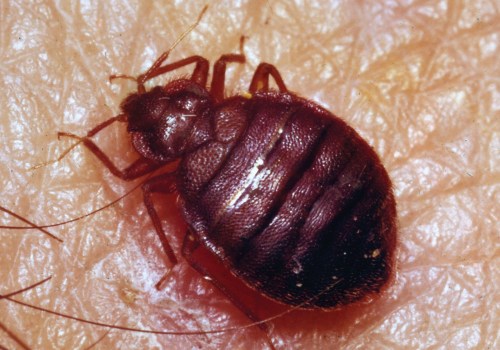
Bed bugs are small, elusive insects that have become a significant concern for homeowners and travelers alike, including those in new hampshire. These pests, scientifically known as Bed bugs are small, elusive insects that have become a significant concern for homeowners and travelers alike, including those in new hampshire. These pests, scientifically known as Cimex lectularius, are notorious for their ability to disrupt sleep and cause discomfort through their bites. As we delve into the world of bed bugs, it’s essential to understand not only their behavior but also the common myths that surround them, particularly the misconception that they can fly. Despite their name, bed bugs do not possess wings and are incapable of flight. Instead, they rely on their ability to crawl quickly and hide in small crevices, making them adept at moving from one location to another.
This characteristic often leads to confusion among those who encounter them, as they can appear suddenly and seemingly out of nowhere. Understanding these bed bug facts is crucial for effective pest control and prevention. In this article, we will explore various aspects of bed bugs, including their life cycle, feeding habits, and the best methods for eradication. By debunking myths and providing accurate information, we aim to equip readers with the knowledge necessary to combat these persistent pests effectively. Whether you’re dealing with an infestation or simply want to learn more about these creatures, understanding the truth about bed bugs is the first step toward reclaiming your space.
Do Bed Bugs Fly?
When it comes to the question of do bed bugs fly, the answer is a definitive no.Bed bugs, scientifically known as Cimex lectularius, are wingless insects that belong to the family Cimicidae. Unlike many other pests, such as flies or mosquitoes, bed bugs lack the anatomical structures necessary for flight.To understand their mobility, it’s important to compare them with flying insects. For instance, flies possess wings that allow them to take to the air and cover significant distances quickly. In contrast, bed bugs have evolved to be excellent crawlers.
They can move swiftly across surfaces, which is crucial for their survival as they seek out hosts for blood meals.Here are some key points regarding bed bug mobility:
- Movement: Bed bugs can crawl at a speed of about 3 to 4 feet per minute, which is relatively fast for their size.
- Hiding Places: They often hide in cracks and crevices, making their crawling ability more advantageous than flying.
- Reproduction: Their ability to reproduce quickly and in large numbers compensates for their lack of flight, allowing them to spread effectively within infested areas.
Bed Bug Anatomy and Behavior
Understanding bed bug anatomy is crucial to grasping their behavior and movement. Bed bugs, scientifically known as Cimex lectularius, are small, wingless insects that typically measure about 4 to 5 millimeters in length.Their bodies are flat and oval-shaped, which allows them to hide easily in crevices and seams of furniture, mattresses, and walls. This unique shape is a significant factor in their survival, as it enables them to remain undetected by humans.One of the most notable features of bed bugs is their lack of wings. Unlike many other insects, bed bugs do not possess the anatomical structures necessary for flight. Instead, they rely on their strong legs for movement.
These legs are equipped with tiny hairs that help them grip surfaces, allowing them to traverse various environments with ease.
How Bed Bugs Move
Bed bugs are primarily nocturnal creatures, which means they are most active at night when they come out to feed on human blood. Their movement is characterized by a series of quick, short bursts rather than long-distance travel. They can crawl at a speed of about 3 to 4 feet per minute, which may not seem fast but is efficient for their needs.- Hiding and Seeking: During the day, bed bugs hide in dark, secluded areas close to their food source. This behavior minimizes their exposure to potential threats.
- Feeding: At night, they emerge from their hiding spots to feed.
They use specialized mouthparts to pierce the skin and draw blood.
- Reproduction: After feeding, bed bugs return to their hiding places to mate and lay eggs, ensuring the continuation of their species.
How Bed Bugs Travel
Understanding how bed bugs travel is crucial for effective prevention and control. Despite common misconceptions, these pests do not have wings and cannot fly. Instead, they rely on several other methods to move from one location to another.Hitchhiking on Personal Belongings
- Clothing: Bed bugs are notorious for hitching rides on clothing.
When individuals visit infested areas, such as hotels or public transportation, these pests can easily attach themselves to garments.
- Luggage: Suitcases and bags are prime targets for bed bugs. They can crawl into the seams and pockets of luggage, making it easy for them to travel long distances.
- Furniture: Used furniture, especially beds and couches, can harbor bed bugs. When people purchase second-hand items without proper inspection, they risk bringing these pests into their homes.
Movement Within Infested Areas
Once bed bugs are in a location, they are adept at moving around. They tend to stay close to their food source—humans—so they often travel within a few feet of where people sleep or rest.
Their movement is primarily nocturnal, allowing them to avoid detection during the day.
Common Hiding Places
- Mattresses and Box Springs: Bed bugs often hide in the seams and folds of mattresses and box springs, making these areas critical for inspection.
- Bed Frames: The crevices of bed frames provide excellent hiding spots for bed bugs.
- Baseboards and Carpeting: These pests can also be found in the cracks of baseboards or within carpeting, especially near beds and seating areas.
Common Myths About Bed Bugs
When it comes to bed bugs, there are numerous myths and misconceptions that can lead to confusion and ineffective pest control measures. One of the most prevalent myths is that bed bugs can fly. In reality, bed bugs are wingless insects and do not possess the ability to fly. They are adept at crawling and can move quickly across surfaces, but their lack of wings means they rely on other means to travel, such as hitching rides on clothing, luggage, or furniture.Another common misconception is that bed bugs only infest dirty or unsanitary environments.While it is true that clutter can provide more hiding spots for these pests, bed bugs are not attracted to dirt or grime. They are primarily drawn to warmth and carbon dioxide emitted by humans and animals, making any location where people sleep a potential target.Additionally, some people believe that bed bugs are only found in beds. This is misleading; while their name suggests a strong association with beds, they can also be found in various locations such as:
- Upholstered furniture
- Carpets and rugs
- Cracks and crevices in walls
- Behind baseboards
- In electrical outlets
By debunking these myths, individuals can take informed steps to protect their homes from infestations and ensure proper pest control measures are implemented.
Signs of a Bed Bug Infestation
Identifying a bed bug infestation early is crucial for effective treatment and prevention. Here are some signs of bed bugs that you should look out for:- Physical Sightings: Adult bed bugs are small, about the size of an apple seed, and have a reddish-brown color. They are often found in the seams of mattresses, box springs, and bed frames. If you notice any live bugs, it’s a clear indication of an infestation.
- Bed Bug Bites: One of the most common signs of a bed bug infestation is the presence of bites on your skin.
These bites often appear in clusters or lines and can be itchy and red. They typically occur on exposed areas of the body while you sleep.
- Fecal Spots: Bed bugs leave behind small dark spots that resemble ink stains. These fecal spots can be found on bedding, mattresses, and walls near their hiding places.
- Eggs and Shells: Bed bug eggs are tiny, white, and about the size of a pinhead. You may also find shed skins from nymphs as they grow into adults.
Both are signs that bed bugs are reproducing in your home.
- Unpleasant Odor: A strong, musty odor can indicate a significant infestation. This smell comes from the scent glands of bed bugs and can be particularly noticeable in heavily infested areas.
Preventing Bed Bug Infestations
Preventing bed bug infestations requires a proactive approach, whether at home or while traveling.Here are some effective bed bug prevention tips to help you keep these pests at bay:
- Regular Inspections: Frequently check your home for signs of bed bugs, especially in areas where they are likely to hide, such as mattresses, box springs, and furniture seams.
- Protective Covers: Use bed bug-proof encasements on mattresses and pillows. These covers can trap any existing bugs and prevent new ones from entering.
- Declutter: Reduce clutter in your home to minimize hiding spots for bed bugs. Keep items stored in sealed containers whenever possible.
- Travel Smart: When staying in hotels, inspect the room for signs of bed bugs before unpacking. Keep your luggage on a luggage rack rather than on the bed or floor.
- Launder Regularly: Wash and dry your bedding and clothing on high heat regularly.
This can kill any potential bed bugs and their eggs.
- Seal Cracks and Crevices: Inspect your home for cracks in walls, baseboards, and furniture. Seal these openings to reduce potential entry points for bed bugs.
- Be Cautious with Secondhand Items: Before bringing secondhand furniture or clothing into your home, thoroughly inspect them for any signs of infestation.
Treating Bed Bug Infestations
When faced with a bed bug infestation, it’s crucial to act quickly and effectively.Treating bed bugs
involves a combination of methods that can be tailored to the severity of the infestation and your personal preferences.DIY Methods for Bed Bug Treatment
- Heat Treatment: Bed bugs are sensitive to high temperatures.
Washing infested bedding and clothing in hot water (at least 120°F) and then drying them on high heat can kill bed bugs at all life stages.
- Vacuuming: Regularly vacuuming your home, especially areas where bed bugs are likely to hide, such as mattresses, box springs, and carpets, can help reduce their numbers. Be sure to dispose of the vacuum bag immediately after use.
- Insecticides: There are various over-the-counter insecticides specifically designed for bed bugs. Look for products containing pyrethroids or neonicotinoids. Always follow the manufacturer’s instructions for safe application.
- Encasements: Using bed bug-proof encasements on mattresses and box springs can trap any existing bugs and prevent new ones from entering.
Professional Pest Control Services
If DIY methods do not yield satisfactory results, it may be time to consider professional pest control services.
These experts have access to more potent treatments and can provide a comprehensive approach to eliminate bed bugs:
- Inspection: Professionals will conduct a thorough inspection to identify the extent of the infestation.
- Treatment Plans: They may use a combination of heat treatments, chemical applications, and other methods tailored to your specific situation.
- Follow-Up: Many pest control companies offer follow-up visits to ensure that the treatment was effective and that no new infestations have occurred.
Frequently Asked Questions About Bed Bugs
When it comes to bed bugs, many people have questions that can help them better understand these pests and how to deal with them. Here are some of the most frequently asked questions:Do bed bugs fly?
No, bed bugs cannot fly.They are wingless insects that rely on crawling to move from one place to another. Their lack of wings means they cannot travel long distances quickly, which is why they often spread through human belongings, such as luggage, clothing, and furniture.
Do bed bugs bite humans?
Yes, bed bugs do bite humans. They feed on blood, typically at night when their hosts are asleep. The bites can cause itchy welts and may lead to allergic reactions in some individuals.It's important to note that not everyone reacts to bed bug bites, and some may not even realize they have been bitten.
What are some common signs of a bed bug infestation?
- Itchy bites: Often found in clusters or lines on the skin.
- Blood stains: Small red or brown spots on sheets or mattresses.
- Dark spots: Fecal matter left behind by bed bugs, often found on bedding or furniture.
- Shed skins: Bed bugs molt as they grow, leaving behind their exoskeletons.
How can I prevent bed bugs?
Preventing a bed bug infestation involves several proactive measures:- Inspect second-hand furniture: Always check for signs of bed bugs before bringing items into your home.
- Use protective covers: Encase mattresses and box springs in bed bug-proof covers.
- Be cautious while traveling: Inspect hotel rooms for signs of bed bugs and keep luggage off the floor.
Conclusion: Key Takeaways on Bed Bugs
In summary, understanding whether bed bugs can fly is crucial for effective pest management. The answer is clear: bed bugs do not fly. Instead, they are wingless insects that rely on crawling to move from one location to another.This fact is essential for homeowners and renters alike, as it helps to dispel common myths about these pests.Here are some key takeaways regarding bed bug facts:
- Mobility: Bed bugs can travel significant distances by crawling, often moving between rooms or units through cracks and crevices.
- Hiding Spots: They prefer to hide in dark, secluded areas close to their food source, which is typically human blood.
- Reproduction: Bed bugs reproduce quickly; a single female can lay hundreds of eggs in her lifetime, leading to rapid infestations.
- Signs of Infestation: Look for small reddish-brown spots on bedding, shed skins, and the presence of live bugs.
- Treatment Options: Effective treatment often requires a combination of professional pest control services and preventive measures by the homeowner.