Bed bugs are small, elusive insects that have become a significant concern for homeowners and travelers alike. These pests, scientifically known as Cimex lectularius, are notorious for their ability to thrive in various environments, leading to widespread misconceptions about their habitats. One of the most common myths is that bed bugs only inhabit dirty or unkempt spaces. However, this notion oversimplifies the reality of their presence and behavior. In fact, bed bugs are highly adaptable creatures that can be found in both clean and dirty environments.
They are often associated with places where people sleep, such as hotels, apartments, and even public transportation. Their primary need is access to a blood meal, which they obtain from humans and animals. This means that even the most pristine settings can become infested if bed bugs find a way to enter. Understanding the true nature of bed bugs is crucial for effective pest control and prevention strategies. By debunking the myth that they only thrive in dirty conditions, we can better equip ourselves to recognize the signs of an infestation and take appropriate action.
In the following sections, we will explore more bed bug facts, including their life cycle, behavior, and effective methods for eradication.
What Are Bed Bugs?
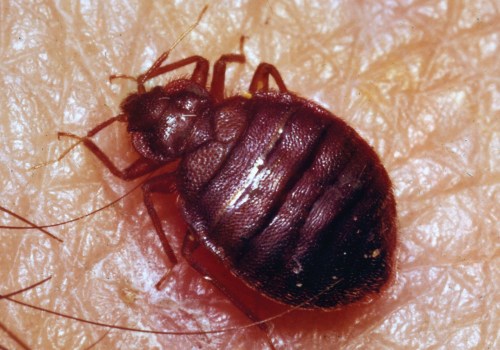
Bed bugs are small, parasitic insects belonging to the family Cimicidae. They primarily feed on the blood of humans and other warm-blooded hosts. Adult bed bugs are approximately 1/4 inch long, with a flat, oval shape that allows them to hide easily in various environments.Their life cycle consists of several stages: egg, nymph, and adult. A female bed bug can lay up to 500 eggs in her lifetime, which hatch into nymphs within a week.These nymphs undergo five molts before reaching adulthood, requiring a blood meal at each stage to grow. This rapid reproduction rate contributes to the difficulty in controlling bed bug infestations.
Bed Bug Biology
Bed bugs possess specialized mouthparts that allow them to pierce the skin of their hosts and withdraw blood. They are nocturnal creatures, typically emerging at night to feed while their hosts are asleep. Their bodies can swell significantly after feeding, making them more visible during this time.Bed Bug Behavior
- Hiding Habits: Bed bugs prefer to hide in cracks and crevices during the day, often found in mattresses, box springs, bed frames, and even behind wallpaper.
- Feeding Patterns: They are attracted to carbon dioxide and body heat, which guide them to their hosts.
- Survival Skills: Bed bugs can survive for several months without feeding, making them resilient pests that can endure long periods without a host.
Their ability to thrive in various environments—clean or dirty—highlights the importance of vigilance in maintaining a bed bug-free space.
Common Myths About Bed Bugs
One of the most pervasive myths about bed bugs is the belief that they only inhabit dirty environments. This misconception can lead to significant misunderstandings about how these pests operate and where they can be found. In reality, bed bugs are not attracted to dirt or filth; rather, they are drawn to warmth and carbon dioxide, which humans naturally emit.Bed bugs can thrive in a variety of settings, including:- Hotels and motels: Even the most luxurious accommodations can harbor bed bugs, as these pests can easily hitch a ride on luggage or clothing.
- Public transportation: Buses, trains, and subways are common places for bed bugs to spread, as they can cling to bags and clothing.
- Homes: Bed bugs can infest any home, regardless of cleanliness. They often find their way into residences through second-hand furniture or by traveling with guests.
While their name suggests a strong association with sleeping areas, they can also be found in:
- Couches and chairs
- Cracks in walls and floors
- Behind baseboards and electrical outlets
Do Bed Bugs Prefer Dirty Environments?
When it comes to bed bugs, many people assume that these pests are only found in dirty environments. However, this is a common misconception.Bed bugs are highly adaptable creatures that can thrive in a variety of settings, regardless of cleanliness.
Bed Bugs and Cleanliness
- Bed bugs do not discriminate based on cleanliness; they are attracted to warmth and carbon dioxide, which humans naturally emit.
- Even the cleanest homes can harbor bed bugs if they are introduced through infested luggage, used furniture, or visitors.
- In fact, bed bugs can often go unnoticed in clean environments because their presence may be less obvious compared to cluttered spaces.
Do Bed Bugs Live in Clean Homes?
Yes, bed bugs can live in clean homes. Their survival is not contingent upon the level of cleanliness but rather on their access to food sources—namely, human blood. A clean home can still provide ample hiding spots for bed bugs, such as:
- Mattresses and box springs
- Couches and chairs
- Cracks and crevices in walls or floors
Factors Affecting Bed Bug Infestations
Several factors contribute to the likelihood of a bed bug infestation, including:
- Human Activity: Frequent travel or bringing second-hand items into the home increases the risk of introducing bed bugs.
- Proximity to Infested Areas: Living near places with known infestations, such as hotels or apartments, raises the chances of encountering these pests.
- Lack of Awareness: Not recognizing the signs of bed bugs can lead to unchecked infestations, regardless of how clean a home may be.
Factors Contributing to Bed Bug Infestations
While many people associate bed bugs with unclean environments, the reality is that these pests can thrive in a variety of settings.Understanding the factors that contribute to bed bug infestations is crucial for effective prevention and control.
Travel Habits
One of the primary ways bed bugs spread is through travel. Hotels, motels, and even public transportation can serve as breeding grounds for these pests. When travelers unknowingly bring bed bugs home in their luggage or clothing, they can quickly establish a new infestation. To minimize this risk, it’s essential to inspect hotel rooms for signs of bed bugs before settling in.
Proximity to Infested Areas
Living near an area with known bed bug problems can significantly increase your risk of an infestation.
Bed bugs can easily migrate from one apartment to another through shared walls, electrical outlets, or even plumbing systems. This means that even if your home is clean, being close to an infested location can put you at risk.
Environmental Conditions
Certain environmental conditions can also make spaces more conducive to bed bug infestations. For instance:
- High-density living situations: Apartments and dormitories often have more opportunities for bed bugs to spread due to close quarters.
- Seasonal changes: Bed bugs are more active during warmer months, which can lead to increased sightings and infestations.
- Clutter: While cleanliness is not the only factor, clutter can provide hiding spots for bed bugs, making them harder to detect and eliminate.
Signs of a Bed Bug Infestation
Identifying a bed bug infestation early is crucial for effective treatment.Here are some signs of bed bugs that you should look out for:
- Physical Bites: One of the most common indicators of a bed bug presence is the appearance of bite marks on your skin. These bites often appear in clusters or lines and can be itchy and red.
- Blood Stains: If you notice small blood stains on your sheets or pillowcases, it could be a sign that you’ve inadvertently crushed a bed bug after it has fed.
- Dark Spots: Look for tiny dark spots on your mattress, bedding, or walls. These spots are typically bed bug excrement and can be a clear indication of their presence.
- Eggs and Shells: Bed bug eggs are tiny, about the size of a pinhead, and are often found in crevices or seams of mattresses. You may also find shed skins as they grow and molt.
- Musty Odor: A strong, musty smell in your bedroom can indicate a significant infestation.
This odor comes from the scent glands of bed bugs.
How to Prevent Bed Bug Infestations
Preventing bed bug infestations requires vigilance and proactive measures, as these pests can thrive in both clean and dirty environments.Here are some effective bed bug prevention strategies to help you keep your home free from these unwanted intruders:
- Regular Inspections: Frequently check your living spaces, especially areas where you sleep or relax. Look for signs of bed bugs, such as small reddish-brown spots on bedding or tiny eggs in seams and crevices.
- Protective Covers: Invest in bed bug-proof mattress and box spring encasements. These covers create a barrier that prevents bed bugs from entering or escaping, making it easier to spot any potential infestations.
- Declutter: Reducing clutter in your home minimizes hiding spots for bed bugs. Keep items off the floor and store belongings in sealed containers.
- Careful Travel Practices: When traveling, inspect hotel rooms for signs of bed bugs before unpacking.
Keep your luggage elevated on racks rather than on the floor, and wash all clothing in hot water upon returning home.
- Seal Cracks and Crevices: Inspect your home for any cracks or gaps in walls, baseboards, and furniture. Seal these openings to limit potential entry points for bed bugs.
- Regular Cleaning: Vacuum your home regularly, focusing on areas around beds, carpets, and furniture. Dispose of the vacuum bag immediately after use to prevent any trapped bed bugs from escaping.
Frequently Asked Questions About Bed Bugs
When it comes to bed bugs, many people have misconceptions about their living conditions and habits.One of the most common questions is whether these pests only thrive in dirty environments. The answer is more nuanced than a simple yes or no.
Do Bed Bugs Prefer Dirty Places?
While it is true that bed bugs can be found in unkempt areas, they are not exclusively attracted to dirt or filth. In fact, bed bugs are opportunistic feeders that can inhabit any location where they can find a host. This includes clean homes, hotels, and even public transportation.
Their primary requirement is access to blood, which they obtain from humans and animals.
Common Questions About Bed Bugs
- Do bed bugs bite clean people?
Yes, bed bugs do not discriminate based on cleanliness. They will bite anyone who is available, regardless of how clean or dirty their environment may be. - Can bed bugs live in a clean house?
Absolutely. Bed bugs can easily hide in small crevices, such as mattress seams, furniture joints, and even behind wallpaper. A clean house can still provide ample hiding spots for these pests. - How do bed bugs spread?
Bed bugs are excellent hitchhikers.They can latch onto clothing, luggage, and other personal items, allowing them to spread from one location to another without needing a dirty environment.
Conclusion: Key Takeaways on Bed Bugs and Their Habitats
In conclusion, understanding bed bug facts is crucial for effective prevention and management of these pests. One of the most significant takeaways is that bed bugs do not exclusively inhabit dirty environments. They are highly adaptable creatures that can thrive in a variety of settings, regardless of cleanliness.This misconception often leads to a false sense of security among individuals who maintain tidy homes.Here are some key points to remember:
- Bed bugs are opportunistic feeders: They seek out hosts to feed on, which can be found in both clean and dirty spaces.
- Hiding spots are more critical than cleanliness: Bed bugs prefer dark, secluded areas close to their food source, such as seams of mattresses, cracks in furniture, and behind baseboards.
- Travel is a primary vector for infestation: Bed bugs often hitch rides on luggage, clothing, and used furniture, making any environment susceptible to an infestation.
- Regular inspections are essential: Regardless of how clean your home is, regular checks for signs of bed bugs can help catch an infestation early.