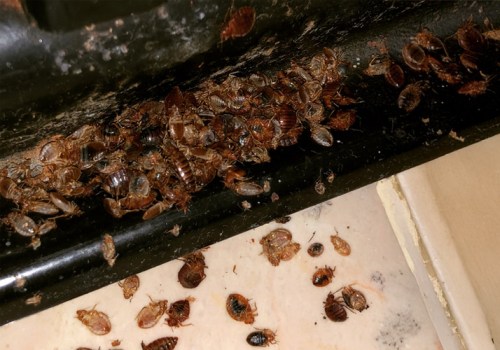
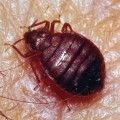
Bed bugs are small, elusive insects that have become a significant concern for homeowners and pest control professionals alike. Understanding bed bug facts is crucial for effective management and prevention. These pests are notorious for their ability to hide in the tiniest of crevices, making them difficult to detect until an infestation has taken hold. Their presence can lead to sleepless nights and anxiety, as their bites can cause discomfort and allergic reactions in some individuals. The bed bug life cycle consists of several stages: egg, nymph, and adult.
Each stage presents unique challenges for detection and control. Bed bug eggs are tiny, about the size of a pinhead, and are often laid in clusters in hidden areas such as mattress seams or behind baseboards. Nymphs, which are the immature forms of bed bugs, resemble adults but are smaller and lighter in color. Recognizing these stages is essential for anyone conducting an inspection. When inspecting for bed bugs, it is vital to know what to look for.
Both bed bug eggs and bed bug nymphs can be present in infested areas, and spotting them early can prevent a more extensive infestation. By familiarizing yourself with their appearance and behavior, you can take proactive steps to protect your home from these persistent pests. Understanding the life cycle of bed bugs not only aids in identification but also informs effective treatment strategies.
What Are Bed Bug Eggs and Nymphs?
Understanding the life cycle of bed bugs is crucial for effective pest control. Among the most important stages are bed bug eggs and nymphs, which can often be overlooked during inspections.Bed Bug Eggs
Bed bug eggs are tiny, measuring about 1mm in length, and are typically white or translucent in color.They are often laid in clusters, making them easier to spot when you know where to look. These eggs are sticky, allowing them to adhere to surfaces such as mattress seams, furniture crevices, and behind baseboards. A single female bed bug can lay up to five eggs per day, leading to rapid infestations if not addressed promptly.
Identifying Bed Bug Eggs
- Location: Check areas where bed bugs are likely to hide, such as under mattresses, inside box springs, and along bed frames.
- Appearance: Look for small, pearly white eggs that may appear clustered together.
- Texture: The eggs have a smooth surface and can be difficult to see without close inspection.
Bed Bug Nymphs
Nymphs, the juvenile stage of bed bugs, emerge from the eggs after about 5 to 10 days. They undergo several molts before reaching adulthood.Nymphs are smaller than adult bed bugs, measuring approximately 1.5mm to 4.5mm in length depending on their age. Initially, they are light in color but become darker as they feed on blood.
Identifying Bed Bug Nymphs
- Size: Nymphs are significantly smaller than adults, making them harder to detect.
- Color: They start off pale yellow or white and turn brown after feeding.
- Location: Like eggs, nymphs can be found in similar hiding spots—especially near their food source.
How to Inspect for Bed Bugs: A Step-by-Step Guide
When it comes to inspecting for bed bugs, knowing where to look and what to look for is crucial. Bed bugs are small, elusive pests that can hide in various places, making thorough inspections essential for effective control.1.Gather Your Tools
- Flashlight: A bright flashlight will help you see into dark crevices.
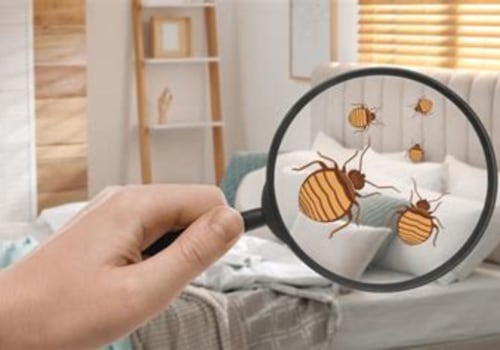
- Magnifying Glass: This can assist in identifying small eggs or nymphs.
- Plastic Bags: Use these to collect any suspected bed bugs or evidence.
- Sticky Tape: This can be useful for capturing bugs from surfaces.
2.Start with the Bed
Your bed is the most common place to find bed bugs.
Begin by stripping the bed linens and inspecting the mattress seams, tags, and under the mattress itself. Look for:
- Live Bed Bugs: Adult bed bugs are reddish-brown and about the size of an apple seed.
- Eggs: These are tiny, white, and often found in clusters. They are about the size of a pinhead.
- Nymphs: Young bed bugs that are smaller and lighter in color than adults.
3.Check Surrounding Areas
Don’t stop at the bed; inspect nearby furniture, baseboards, and even electrical outlets. Pay special attention to:
- Couches and Chairs: Look under cushions and in seams.
- Nightstands: Check drawers and behind furniture.
- Carpets and Rugs: Inspect edges and underneath furniture.
4.Look for Signs of Infestation
If you don’t see live bugs, look for signs such as:
- Fecal Spots: Dark spots that resemble ink stains.
- Shed Skins: As nymphs grow, they shed their exoskeletons.
- Blood Stains: Small red spots on sheets may indicate crushed bed bugs.
If you find any evidence of bed bugs, it’s important to act quickly to prevent them from spreading further throughout your home.
Can You See Bed Bug Eggs and Nymphs During an Inspection?
When inspecting for bed bugs, one of the most common questions is whether you can see bed bug eggs and nymphs. Understanding their visibility is crucial for effective detection and control.Visibility of Bed Bug Eggs
- Size and Appearance: Bed bug eggs are tiny, measuring about 1mm in length. They are typically white or translucent, making them difficult to spot against many surfaces.
- Location: Eggs are often laid in hidden areas such as cracks, crevices, and seams of mattresses or furniture. This makes them less visible during a casual inspection.
- Clumping: Bed bug eggs are usually found in clusters, which can make them easier to identify if you know where to look.
Visibility of Bed Bug Nymphs
- Size and Color: Nymphs are the immature stages of bed bugs and are slightly larger than the eggs, measuring about 1-5mm.
They are light yellow to brown in color, which can help in spotting them against lighter backgrounds.
- Behavior: Nymphs tend to be more mobile than eggs, making them easier to detect if you observe closely. They may scurry away when disturbed, which can aid in their identification.
- Hiding Spots: Like eggs, nymphs prefer dark, secluded areas. Inspecting under furniture, behind baseboards, and inside electrical outlets can increase your chances of spotting them.
Common Misconceptions About Bed Bug Detection
When it comes to bed bug detection, there are several misconceptions that can lead to ineffective inspections and unnecessary panic.Understanding these myths is crucial for anyone dealing with a potential infestation.
- Myth 1: You can easily spot bed bugs during the day. Many people believe that bed bugs are visible during daylight hours. In reality, these pests are primarily nocturnal, making them difficult to see when the lights are on. They tend to hide in cracks and crevices, emerging only at night to feed.
- Myth 2: Bed bugs only infest dirty homes. This is a common misconception that can lead to stigma. Bed bugs do not discriminate based on cleanliness; they can thrive in any environment where they have access to a food source, which is typically human blood.
- Myth 3: If you don’t see bed bugs, you don’t have them. Just because you haven’t spotted any bed bugs doesn’t mean they aren’t present.
Adult bed bugs are small and can hide effectively, while their eggs and nymphs are even harder to detect. Regular inspections are essential, even if no signs are visible.
- Myth 4: Bed bug bites are always noticeable. Not everyone reacts to bed bug bites in the same way. Some individuals may not show any signs of bites at all, leading to the false belief that an infestation is absent.
Understanding these factors can significantly improve your chances of early detection and successful eradication.In conclusion, debunking these bed bug detection myths is vital for anyone concerned about an infestation. By recognizing the truth behind these misconceptions, you can take proactive steps towards ensuring a bed bug-free environment.
Frequently Asked Questions About Bed Bugs
When it comes to inspecting for bed bugs, many people wonder if they can actually see eggs or nymphs. Understanding what to look for is crucial in identifying a potential infestation.Can You See Bed Bug Eggs?
Yes, you can see bed bug eggs, but they are quite small. Typically, bed bug eggs are about the size of a pinhead, measuring approximately 1mm in length.They are usually white or translucent, making them difficult to spot against light-colored surfaces. These eggs are often found in clusters in hidden areas such as:
- Cracks and crevices in furniture
- Seams of mattresses and box springs
- Behind baseboards and electrical outlets
What About Nymphs?
Nymphs are the immature stages of bed bugs and can also be seen during an inspection. They are slightly larger than the eggs, measuring about 1-5mm depending on their age. Nymphs are typically light yellow to brown in color and become darker as they mature.Like the eggs, nymphs tend to hide in similar locations:
- Underneath furniture cushions
- In the folds of curtains
- Inside luggage or bags that have been in infested areas
- Live bugs: Adult bed bugs are about 5-7mm long and have a reddish-brown color.
- Fecal spots: Small dark spots on bedding or furniture can indicate bed bug presence.
- Molt skins: As nymphs grow, they shed their exoskeletons, which can also be found during inspections.
Conclusion: Key Takeaways on Bed Bug Inspection
In conclusion, understanding the importance of inspecting for bed bugs goes beyond just identifying adult insects. Recognizing eggs and nymphs is crucial for effective pest management.These life stages can often be overlooked, yet they play a significant role in the bed bug lifecycle and infestation potential.
Key Takeaways:
- Bed Bug Eggs: Typically, bed bug eggs are small, white, and about the size of a pinhead. They are often found in clusters in hidden areas such as seams of mattresses, behind headboards, or in cracks and crevices.
- Nymphs: These immature bed bugs resemble adults but are smaller and lighter in color. Nymphs can be more challenging to spot due to their size, but their presence indicates an ongoing infestation.
- Inspection Techniques: When conducting a thorough inspection, it’s essential to check not only for adult bed bugs but also for these early life stages. Use a flashlight and a magnifying glass to aid in your search.
- Early Detection: Identifying eggs and nymphs early can prevent a small problem from escalating into a full-blown infestation.
Regular inspections are key to maintaining a bed bug-free environment.