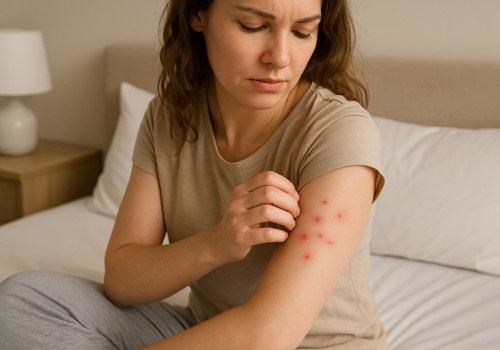
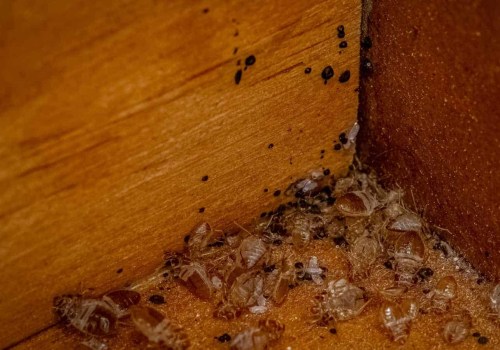
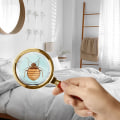
Bed bugs, scientifically known as Cimex lectularius, are small, nocturnal insects that feed on the blood of humans and animals. Understanding bed bug biology is essential for anyone dealing with an infestation. These pests are typically about the size of an apple seed, with a flat, oval shape that allows them to hide in tiny crevices. Their reddish-brown color makes them difficult to spot against many surfaces, and they are most active at night, which adds to their elusive nature. The life cycle of bed bugs consists of several stages: egg, nymph, and adult.
A female bed bug can lay up to 500 eggs in her lifetime, which hatch into nymphs within a week. These nymphs undergo multiple molts before reaching adulthood, requiring a blood meal at each stage. This rapid reproduction rate is one reason why bed bug infestations can escalate quickly if not addressed promptly. In addition to their biology, understanding bed bug behavior is crucial for effective management. Bed bugs are attracted to warmth and carbon dioxide, which is why they often reside close to sleeping humans.
They can survive for months without feeding, making them particularly resilient pests. This knowledge is vital when considering various treatment options, including natural remedies, as it sheds light on why some methods may fall short in eradicating these persistent insects.
The Rise of Bed Bug Infestations
In recent years, the prevalence of bed bug infestations has surged, causing concern among homeowners and renters alike. Once nearly eradicated in the United States, these resilient pests have made a significant comeback, prompting a closer examination of the factors contributing to their resurgence. One of the primary reasons for the increase in bed bug populations is the rise in global travel. As people move from one location to another, they inadvertently carry these pests with them.Bed bugs are notorious for their ability to hitch rides on luggage, clothing, and even furniture, making it easy for them to spread from one environment to another. Additionally, the growing popularity of second-hand goods has played a role in the resurgence of bed bugs. Items such as mattresses, couches, and clothing can harbor these pests, often without the buyer's knowledge. When these items are brought into homes, they can lead to new infestations. Another contributing factor is the increased resistance of bed bugs to conventional pesticides. Over time, these pests have developed a tolerance to many chemical treatments that were once effective in controlling their populations.
This resistance has made it more challenging for pest control professionals and homeowners to eliminate infestations. Furthermore, urbanization has created ideal conditions for bed bugs to thrive. High-density living situations, such as apartments and dormitories, facilitate easier movement between units, allowing bed bugs to spread rapidly within communities. Understanding how bed bugs spread and the reasons behind their resurgence is crucial for developing effective strategies for prevention and control. As awareness grows about these pests and their habits, it becomes increasingly important for individuals to take proactive measures to protect their homes from potential infestations.
Common Chemical Treatments for Bed Bugs
When it comes to tackling bed bugs, many homeowners often turn to traditional chemical treatments as a first line of defense. These treatments typically involve the use of pesticides that are specifically formulated to eliminate these pests.Understanding the effectiveness of these chemical solutions is crucial, especially when comparing them to natural remedies.
Types of Chemical Treatments
- Insecticides: These are the most common chemical treatments used against bed bugs. They often contain active ingredients like pyrethroids, which disrupt the nervous system of the insects.
- Desiccants: Products containing desiccants work by drying out the bed bugs, ultimately leading to their death. They are effective because they target the bugs' outer protective layer.
- Biochemicals: Derived from natural sources, these chemicals can be effective against bed bugs while being less harmful to humans and pets.
Effectiveness of Chemical Treatments
The effectiveness of chemical treatments can vary significantly based on several factors:
- Resistance: Over time, some bed bug populations have developed resistance to certain pesticides, making them less effective.
- Application Method: Proper application is crucial. Inadequate coverage or incorrect dosage can lead to treatment failure.
- Environmental Factors: Temperature and humidity can influence how well these chemicals work, as bed bugs thrive in specific conditions.
This limitation has led many to explore natural remedies, which may offer a safer alternative but often lack the immediate effectiveness of traditional pesticides. Understanding both options is essential for anyone facing a bed bug infestation.
Natural Remedies: Do They Really Work?
When it comes to tackling bed bugs, many people turn to natural remedies in hopes of finding a safe and effective solution. However, the effectiveness of these remedies can vary significantly. Below, we explore some popular natural methods and assess their potential in combating these persistent pests.- Essential Oils: Oils such as tea tree, lavender, and peppermint are often touted for their insect-repelling properties.
While some studies suggest that certain essential oils can kill bed bugs on contact, their effectiveness as a standalone treatment is limited. They may help repel bed bugs but are unlikely to eliminate an infestation.
- Diatomaceous Earth: This natural powder is made from fossilized algae and is known for its ability to dehydrate insects. Sprinkling diatomaceous earth in areas where bed bugs are suspected can help reduce their numbers. However, it requires consistent application and may take time to see results.
- Vinegar: Many claim that vinegar can kill bed bugs on contact due to its acidic nature.
While it may have some immediate effects, vinegar does not provide a long-term solution and is not effective against eggs or hidden bugs.
- Heat Treatment: Using heat is one of the most effective natural methods for eliminating bed bugs. Washing infested items in hot water and drying them on high heat can kill all life stages of bed bugs. However, this method requires careful handling of belongings and may not be feasible for larger infestations.
Ultimately, understanding the limitations of natural remedies is crucial in effectively managing a bed bug problem.
Popular Natural Remedies Explored
When it comes to tackling bed bugs, many people turn to natural remedies as a safer alternative to chemical pesticides. Here, we explore three popular options: essential oils, diatomaceous earth, and vinegar.Essential Oils for Bed Bugs
Essential oils have gained popularity for their potential insect-repelling properties. Oils such as tea tree, lavender, and peppermint are often cited as effective against bed bugs. To use essential oils:- Mix: Combine 10-20 drops of your chosen essential oil with water in a spray bottle.
- Spray: Apply the mixture directly onto infested areas, including mattresses, bed frames, and baseboards.
- Repeat: Reapply every few days or after cleaning to maintain effectiveness.
They may help repel bugs but are unlikely to eliminate an infestation entirely.
Diatomaceous Earth for Bed Bugs
Diatomaceous earth (DE) is a natural powder made from fossilized algae. It works by dehydrating insects that come into contact with it. To use DE effectively:- Apply: Lightly dust DE in areas where bed bugs are suspected, such as along baseboards, under furniture, and inside cracks.
- Leave: Allow it to sit for several days to maximize its effectiveness.
- Vacuum: After a few days, vacuum up the powder and reapply as necessary.
Vinegar for Bed Bugs
Vinegar, particularly white vinegar, is often touted as a natural insecticide. Its acetic acid content can kill bed bugs on contact.To use vinegar:
- Spray: Fill a spray bottle with undiluted vinegar and apply it directly to bed bugs and their hiding spots.
- Caution: Vinegar may not penetrate deep into cracks or crevices where bed bugs hide, so it should be used in conjunction with other methods.
Preventive Measures Against Bed Bugs
Preventing bed bugs from invading your home is crucial for maintaining a comfortable living environment. Here are some effective tips to prevent infestations:- Regular Inspections: Frequently check your home, especially in areas where bed bugs are likely to hide, such as mattresses, box springs, and furniture seams. Look for signs like tiny dark spots (fecal matter) or shed skins.
- Protective Covers: Use bed bug-proof encasements on mattresses and pillows. These covers trap any existing bugs and prevent new ones from entering.
- Declutter: Reduce clutter in your home, particularly in bedrooms.
The less clutter you have, the fewer hiding spots there are for bed bugs.
- Careful Travel Practices: When traveling, inspect hotel rooms for signs of bed bugs. Keep your luggage off the floor and use luggage racks. Upon returning home, wash all clothing in hot water and dry on high heat.
- Seal Cracks and Crevices: Inspect your home for cracks in walls, baseboards, and around windows. Seal these openings to limit potential entry points for bed bugs.
- Regular Cleaning: Vacuum your home regularly, focusing on areas where bed bugs may hide.
Dispose of the vacuum bag immediately after use to prevent any bugs from escaping.
Conclusion: Weighing Your Options Against Bed Bugs
In conclusion, addressing a bed bug infestation requires a comprehensive understanding of both natural remedies and chemical treatments. While many homeowners are drawn to natural remedies due to their perceived safety and environmental benefits, it is crucial to recognize their limitations. Remedies such as diatomaceous earth, essential oils, and heat treatments can offer some level of control but often lack the efficacy needed for complete eradication.On the other hand, chemical treatments, while effective, come with their own set of concerns regarding safety and potential resistance.It is essential to weigh these options carefully:
- Effectiveness: Chemical solutions tend to provide faster and more reliable results compared to natural methods.
- Safety: Natural remedies may be safer for households with children and pets, but their effectiveness can vary widely.
- Cost: Natural treatments can be less expensive upfront, but repeated applications may lead to higher long-term costs if they fail to eliminate the infestation.
- Resistance: Bed bugs can develop resistance to certain chemicals, making it necessary to rotate treatments or combine methods.